
Introduction
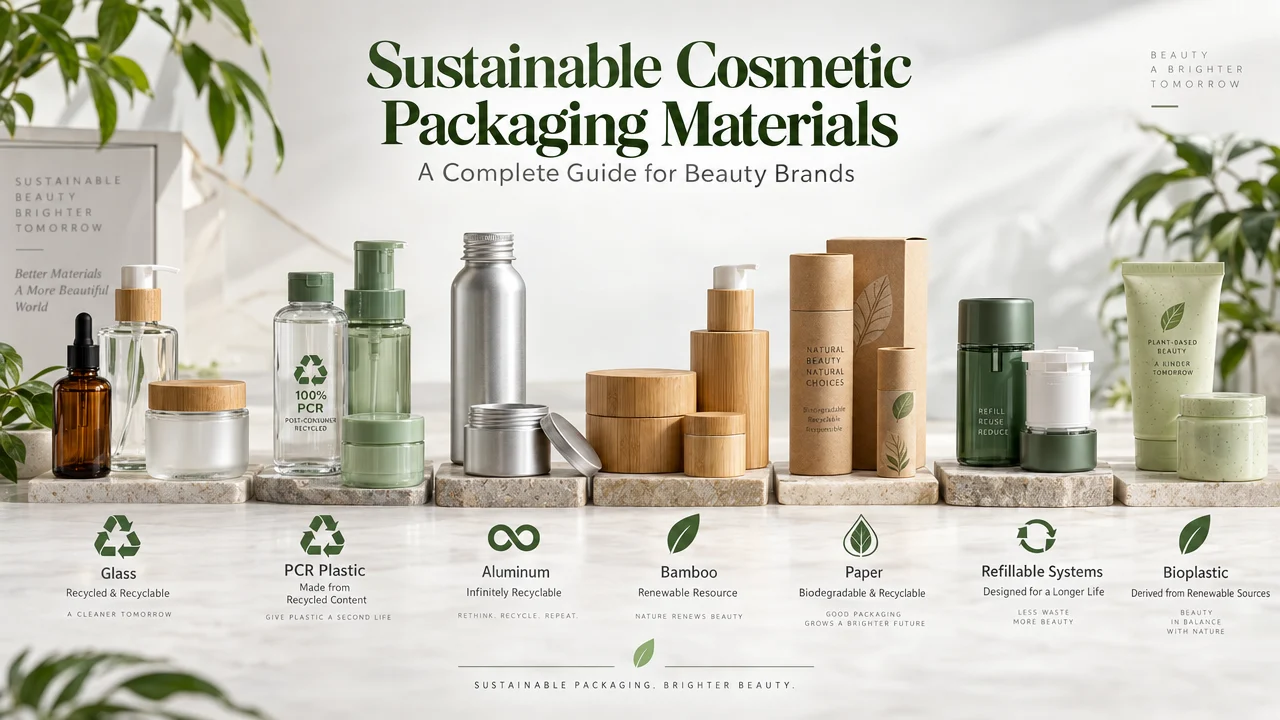
Choosing sustainable cosmetic packaging materials is not always straightforward. Glass, recycled plastic, bamboo, paper, and bioplastics all have different benefits and limitations. Understanding how each material performs can help beauty brands choose packaging that balances sustainability, product protection, cost, and customer experience.
Common sustainable cosmetic packaging materials include PCR plastic, recyclable plastics, glass, aluminum, paper and fiber-based materials, bamboo, and selected bioplastics. Each option has different environmental and functional characteristics. The best material depends on the product formula, packaging design, recycled content, durability, transportation, recyclability, and end-of-life infrastructure in the target market. Brands should evaluate the complete packaging lifecycle rather than choosing a material based only on its sustainability claims.
So, which sustainable packaging materials are actually suitable for cosmetics? Let’s compare the most common options and where each one works best.
What Are Sustainable Cosmetic Packaging Materials?
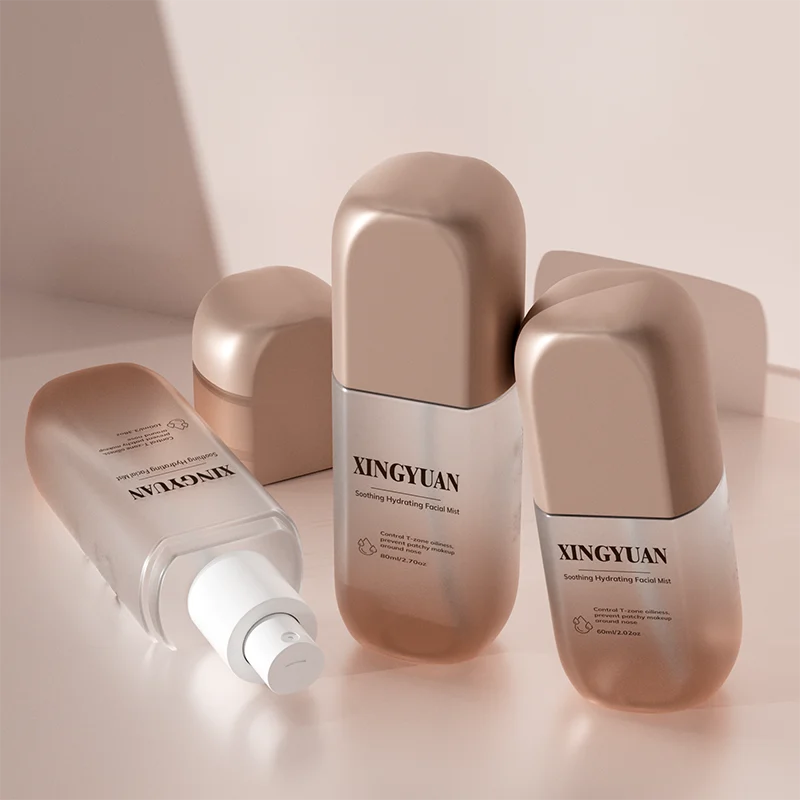
Sustainable cosmetic packaging materials are materials or material systems that can help reduce environmental impact while still meeting the practical requirements of a cosmetic product.
Those requirements include:
- Product protection
- Safety
- Functionality
- Manufacturing efficiency
- Transportation
- Consumer experience
- End-of-life management
When I evaluate cosmetic packaging, I recommend looking beyond the material itself.
A better way to think about sustainability is:
Material → Manufacturing → Transportation → Use → End-of-life
For example, a lightweight plastic bottle may use less material and weigh less during transportation. A glass bottle may offer a premium experience and established recycling options in many markets, but it also weighs more and can be more fragile.
This is why there is no universal “best” sustainable packaging material.
For a broader overview of sustainable packaging strategies, see our Eco-Friendly Cosmetic Packaging Guide.
What Are the Most Sustainable Cosmetic Packaging Materials?
Several materials are commonly considered when brands develop more sustainable cosmetic packaging.
Each has different strengths, limitations, and applications.
PCR Plastic
PCR stands for Post-Consumer Recycled plastic.
It is made using plastic that has already been used by consumers, collected, processed, and incorporated into new packaging or products.
For cosmetic brands, PCR plastic can help increase recycled content and reduce reliance on virgin plastic.
Potential applications include:
- Lotion bottles
- Serum bottles
- Cream jars
- Skincare containers
- Cosmetic bottles
PCR can be particularly interesting for brands that want to introduce recycled content without completely changing their existing packaging format.
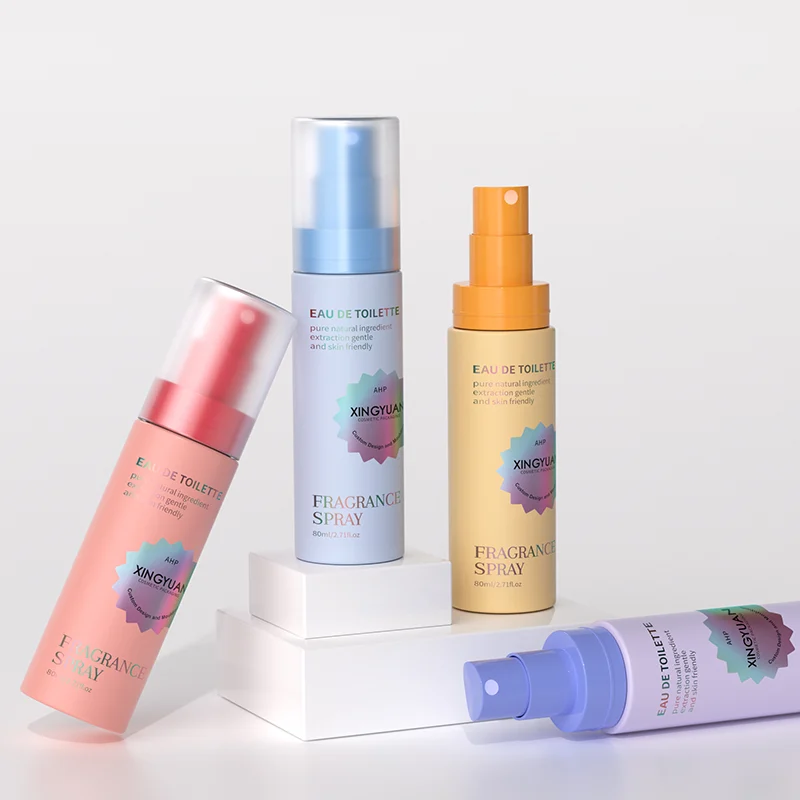
However, PCR is not suitable for every application automatically.
Brands should consider:
- Material availability
- Color consistency
- Appearance
- Formula compatibility
- Mechanical performance
- Target-market requirements
One important distinction is:
PCR describes the recycled content of a material. It does not automatically mean that the finished package is recyclable.
This distinction is important when making sustainability claims.
Recyclable Plastic
Recyclable plastic remains one of the most practical options for many cosmetic products.
Common materials include:
- PET
- PP
- PE
Plastic packaging can offer several advantages:
- Lightweight construction
- Good durability
- Flexible shapes
- Efficient transportation
- Large-scale manufacturing capability
This makes plastic particularly suitable for everyday skincare products.
Common applications include:
- Lotion bottles
- Serum bottles
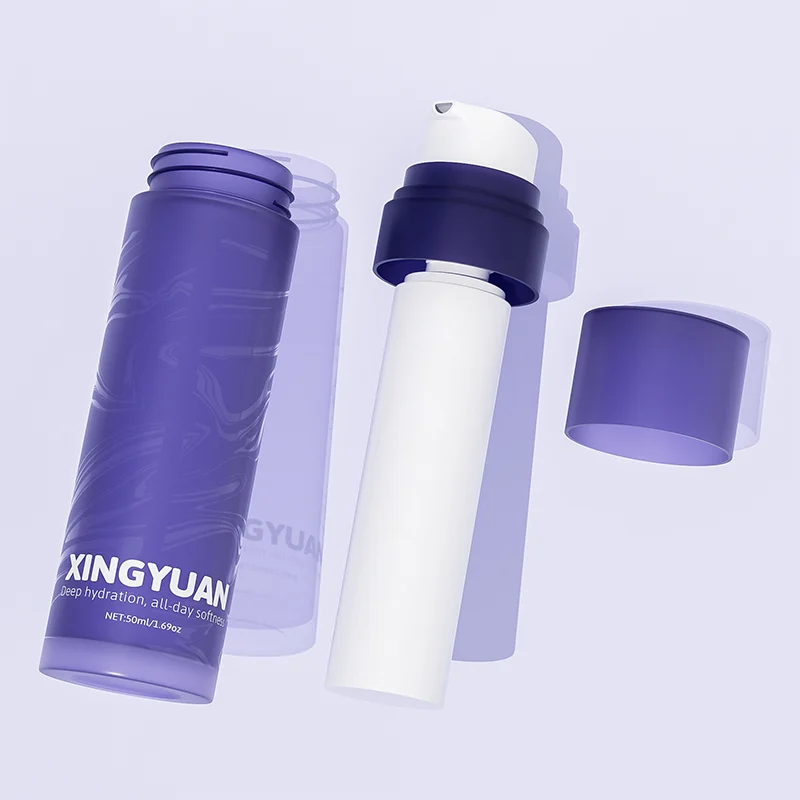
- Airless bottles
- Cream jars
- Cosmetic bottles
However, “recyclable” does not guarantee that every package will actually be recycled.
The real outcome can depend on:
- Local collection systems
- Recycling infrastructure
- Packaging composition
- Components and closures
- Consumer disposal behavior
Brands should therefore evaluate the actual recycling pathway in their target market.
Glass
Glass is a popular choice for premium skincare and cosmetic packaging.
It is often used for:
- Serum bottles
- Facial oil bottles
- Dropper bottles
- Premium skincare
- Luxury cosmetic products
One reason brands choose glass is its premium appearance.
Glass can communicate:
- Quality
- Purity
- Sophistication
Glass can also be reused and recycled in many markets.
But it has limitations.
Compared with most plastic packaging, glass is:
- Heavier
- More fragile
- More demanding to transport
Transportation should therefore be considered when comparing glass with lightweight plastic alternatives.
The right question is not simply:
“Is glass greener than plastic?”
Instead, brands should ask:
“Which material provides the best overall solution for this particular product and market?”
Aluminum and Other Metals
Aluminum can also be considered for certain cosmetic packaging applications.
Potential advantages include:
- Durability
- Lightweight properties compared with some alternatives
- Recyclability in many markets
- Premium appearance
Aluminum may be used for:
- Containers
- Caps
- Closures
- Decorative components
However, metal packaging needs to be evaluated for:
- Formula compatibility
- Manufacturing requirements
- Cost
- Surface treatment
- Recycling infrastructure
It may be particularly suitable for brands looking for a premium or distinctive packaging aesthetic.
Paper and Fiber-Based Materials
Paper and fiber-based packaging can help brands reduce the use of conventional plastic in certain applications.
Common examples include:
- Paperboard boxes
- Molded fiber inserts
- Paper-based secondary packaging
- Fiber-based components
These materials are particularly suitable for secondary packaging.
For example, a skincare brand may use a paperboard box around a cosmetic bottle.
However, paper is not automatically suitable for every cosmetic container.
Brands may need to consider:
- Moisture resistance
- Oil resistance
- Structural strength
- Coatings
- Adhesives
- Product compatibility
For direct-contact cosmetic packaging, material performance is especially important.
Bamboo
Bamboo is often associated with natural and environmentally conscious beauty brands.
It can provide a distinctive visual identity and may be used for:
- Cosmetic caps
- Jars
- Decorative components
- Secondary packaging
Its natural appearance can work particularly well with:
- Organic skincare
- Natural beauty
- Wellness products
But bamboo packaging should also be evaluated realistically.
Its environmental profile can be affected by:
- Processing
- Coatings
- Adhesives
- Manufacturing
- Transportation
- End-of-life options
A material should not be considered sustainable simply because it looks natural.
Bioplastics
Bioplastics are another category that beauty brands may encounter when researching sustainable cosmetic packaging materials.
Examples include bio-based plastics and materials such as PLA.
However, three terms are often confused:
Bio-based ≠ Biodegradable ≠ Compostable
A bio-based material refers to its source.
A biodegradable material refers to its ability to break down under specific conditions.
A compostable material must meet particular requirements for composting environments.
These characteristics are not interchangeable.
Brands considering bioplastics should evaluate:
- Material source
- Manufacturing process
- Product application
- Required performance
- Local disposal infrastructure
This prevents sustainability claims from becoming overly simplistic.
Which Sustainable Packaging Material Is Best for Skincare Products?
The best material depends heavily on the type of skincare product.
Different formulas have different packaging requirements.
Best Materials for Serums
Serums commonly use:
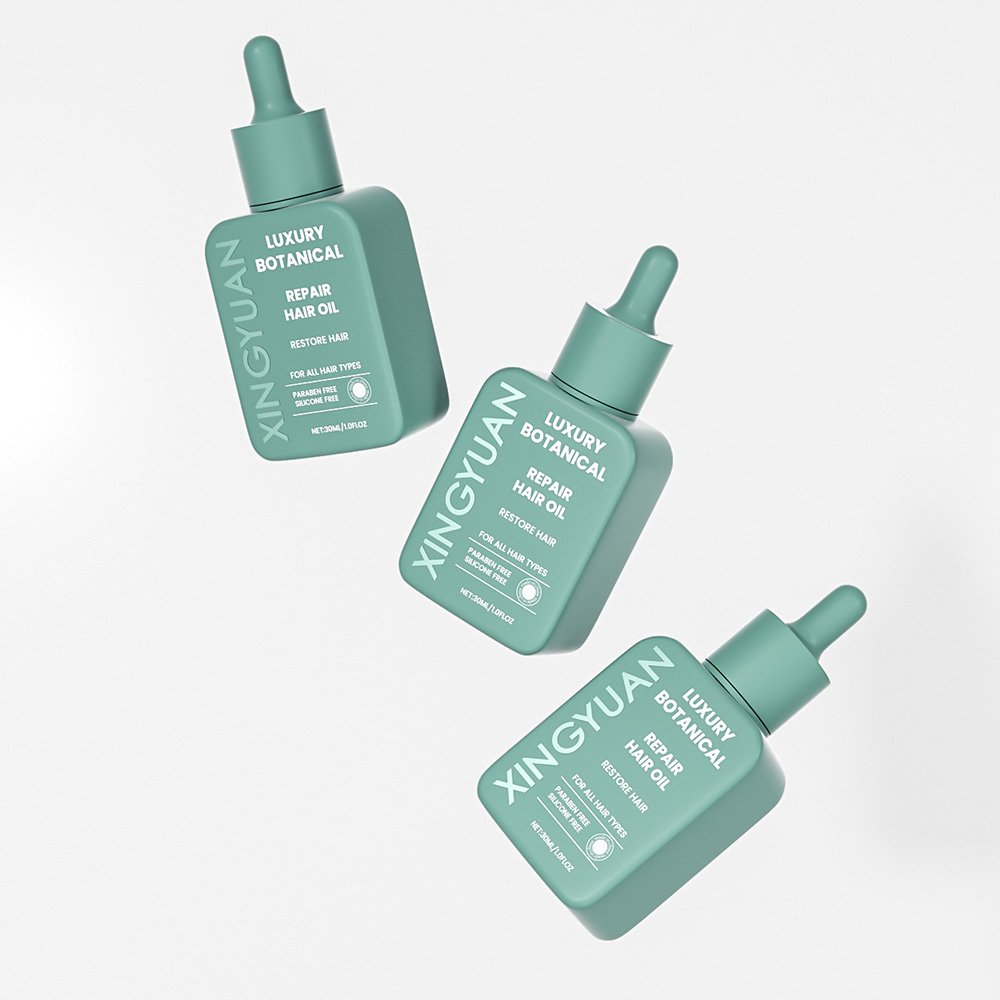
- Glass bottles
- Dropper bottles
- Airless plastic bottles
- PCR plastic packaging
The choice depends on:
- Formula sensitivity
- Dispensing requirements
- Product positioning
- Desired user experience
A premium serum may benefit from the weight and appearance of glass, while an airless bottle may provide a more controlled dispensing system for another formulation.
Best Materials for Lotions
Lotion packaging often needs to be lightweight, durable, and easy to dispense.
Potential options include:
- Recyclable plastic
- PCR plastic
- Lightweight cosmetic bottles
- Pump bottles
For brands shipping products internationally, packaging weight can also become an important consideration.
Best Materials for Creams
Cream products can use:
- PCR plastic jars
- Recyclable plastic jars
- Glass jars
- Airless containers
The choice depends on the formula, dispensing requirements, brand positioning, and desired customer experience.
Best Materials for Facial Oils
Facial oils are frequently packaged in:
- Glass bottles
- Dropper bottles
- Premium dispensing systems
Here, formula compatibility and controlled dispensing can be particularly important.
Sustainable Cosmetic Packaging Materials Comparison
| Material | Main Benefit | Main Consideration | Common Applications |
| PCR Plastic | Recycled content | Availability and appearance | Bottles, jars |
| Recyclable Plastic | Lightweight and durable | Local recycling infrastructure | Bottles, airless packaging |
| Glass | Premium appearance and recycling potential | Weight and breakage | Serums, oils |
| Aluminum | Durable and recyclable in many markets | Compatibility and cost | Caps, containers |
| Paper/Fiber | Can reduce conventional plastic use | Moisture and structural performance | Boxes, outer packaging |
| Bamboo | Renewable material with natural appearance | Processing and coatings | Caps, jars |
| Bioplastics | Bio-based options | End-of-life infrastructure | Selected applications |
This comparison shows why brands should avoid choosing packaging based on one sustainability characteristic alone.
Is Recycled Plastic a Good Choice for Cosmetic Packaging?
Recycled plastic can be a practical option for brands that want to introduce recycled content into their packaging strategy.
Potential advantages include:
- Reduced reliance on virgin plastic
- Lightweight packaging
- Durable structures
- Flexible designs
- Compatibility with established manufacturing processes
However, brands should also evaluate:
- Available PCR grades
- Color and visual consistency
- Formula compatibility
- Structural performance
- Recyclability
- Cost
- Supply stability
For a high-volume skincare product, recycled plastic may provide a useful balance between sustainability objectives and manufacturing practicality.
The key is to select the right material and packaging structure for the application.
How Should Brands Choose Sustainable Cosmetic Packaging Materials?
When selecting packaging materials, I recommend following a structured process.
Step 1: Define the Product Requirements
Start with the formula.
Ask:
- Is the formula sensitive to light?
- What is its viscosity?
- Does it require an airless system?
- How should it be dispensed?
- How long does it need to remain stable?
Packaging should protect the product before sustainability considerations are evaluated further.
Step 2: Define Your Sustainability Goal
Your brand may have a specific sustainability objective.
For example:
- Increase recycled content
- Reduce material usage
- Improve recyclability
- Introduce refillable packaging
- Reduce packaging weight
A clear objective makes it easier to compare materials.
Step 3: Compare Materials
Now compare realistic options based on:
- Performance
- Appearance
- Weight
- Cost
- Availability
- Manufacturing requirements
- End-of-life options
Avoid comparing materials only by marketing claims.
Step 4: Evaluate Product Compatibility
Before mass production, test the packaging with the actual formula.
Important considerations include:
- Chemical compatibility
- Leakage resistance
- Dispensing performance
- Structural strength
- Shelf-life requirements
A sustainable package that cannot protect the product is not a successful packaging solution.
Step 5: Consider Transportation and End-of-Life
For brands exporting internationally, transportation can be an important consideration.
Ask:
- How much does the package weigh?
- How efficiently can it be packed?
- How durable is it during shipping?
- What happens after the consumer finishes the product?
Looking at the complete lifecycle helps brands make better decisions.
Step 6: Test Samples Before Mass Production
Before approving a final package, brands should request samples and evaluate:
- Appearance
- Function
- Compatibility
- Decoration
- Durability
For custom packaging projects, prototype and sample development can help identify problems before large-scale manufacturing begins.
What Should You Ask a Sustainable Cosmetic Packaging Supplier?
If you are sourcing sustainable cosmetic packaging, asking the right questions can save significant time.
Before selecting a supplier, consider asking:
- What sustainable materials do you offer?
- Can you provide PCR options?
- What recyclable plastic options are available?
- Can you develop custom molds?
- Can the packaging be customized for my formula?
- What decoration options are available?
- Can you provide samples?
- What quality testing do you perform?
- What are your MOQ and lead times?
- Do you have international export experience?
A capable supplier should be able to discuss both the benefits and limitations of different materials.
That is much more useful than simply telling you that one material is “eco-friendly.”
Sustainable Plastic Cosmetic Packaging Solutions From Comaypack
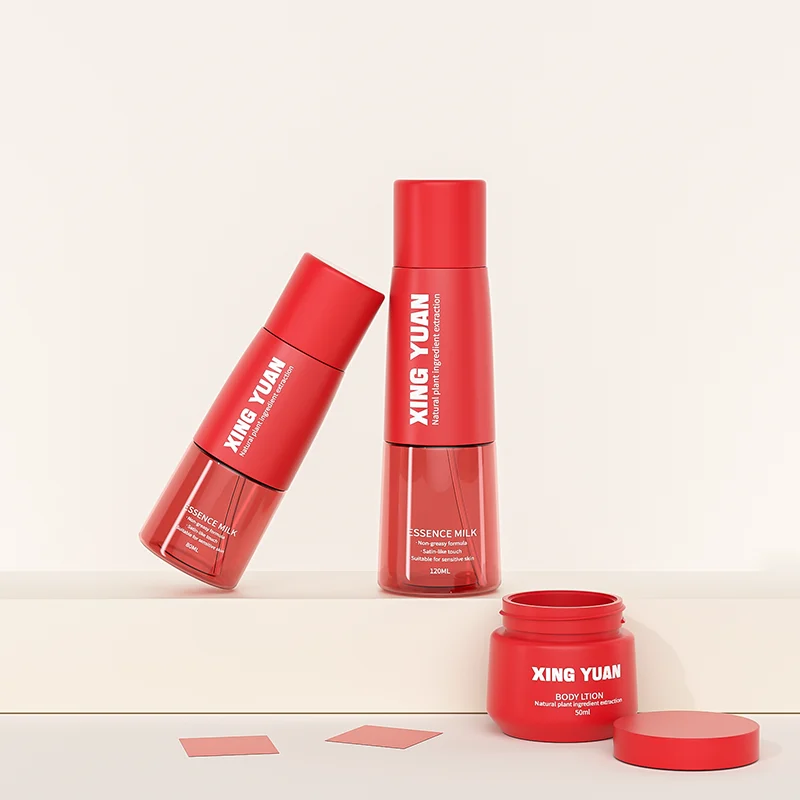
At Comaypack, our core expertise is plastic cosmetic packaging.
We work with beauty brands that need packaging solutions combining functionality, customization, appearance, and manufacturing efficiency.
Our product range includes:
- Lotion bottles
- Serum bottles
- Airless bottles
- Cream jars
- Custom plastic cosmetic bottles
Plastic packaging can be part of a more sustainable strategy when brands carefully consider:
- Material consumption
- Recycled content
- Package weight
- Structural design
- Recyclability
- Transportation
Our role is to help brands evaluate these factors and develop packaging that works for their specific products.
Why Choose Comaypack for Sustainable Cosmetic Packaging?
OEM and ODM Customization
Not every brand wants a standard packaging format.
Our OEM/ODM capabilities support:
- Custom bottle development
- Mold development
- Structural customization
- Product customization
- Sample development
Custom mold development can be especially useful for brands that want to optimize packaging structure rather than simply select an existing container.
Surface Treatment and Decoration
Sustainable packaging still needs to communicate the brand’s visual identity.
Our surface treatment capabilities include:
- Spray coating
- Electroplating
- Silk printing
- Hot stamping
The appropriate decoration method can be selected according to the packaging design, brand requirements, and target market.
For brands with sustainability goals, decoration should be considered as part of the complete packaging system rather than evaluated separately.
Manufacturing and Delivery Support
A good packaging concept needs reliable production behind it.
Comaypack supports customers with:
- Packaging development
- Manufacturing
- Quality control
- Production coordination
- Fast delivery
Our experience with international customers also helps us support brands through the process from development to export.
Global Export Experience
We work with customers in markets including:
- USA
- Europe
- Australia
For international beauty brands, we understand that packaging development involves more than the physical container.
It also involves communication, quality consistency, production coordination, and reliable delivery.
Sustainable Cosmetic Packaging Materials FAQs
What is the most sustainable material for cosmetic packaging?
There is no universally most sustainable material. PCR plastic, recyclable plastic, glass, aluminum, fiber-based materials, bamboo, and selected bioplastics can all be considered depending on the product, manufacturing process, transportation, recycling infrastructure, and end-of-life requirements.
Is PCR plastic better than virgin plastic?
PCR plastic can help increase recycled content and reduce reliance on virgin plastic. However, its suitability depends on the packaging application, available material grades, appearance, performance, and product requirements.
Is glass more sustainable than plastic?
Not necessarily. Glass has recycling and premium-design advantages, but it is also heavier and more fragile. A fair comparison should consider the complete lifecycle, including manufacturing, transportation, product protection, and end-of-life.
Is bamboo good for cosmetic packaging?
Bamboo can be an attractive renewable material for selected cosmetic packaging components. However, coatings, adhesives, processing, transportation, and disposal can affect its overall environmental performance.
Are bioplastics really eco-friendly?
Some bioplastics can offer environmental advantages, but the answer depends on the material and application. Bio-based, biodegradable, and compostable are different concepts, so brands should evaluate the complete lifecycle and disposal infrastructure.
What is the best material for sustainable skincare packaging?
The best material depends on the formula, product type, brand positioning, target market, and sustainability goal. For many skincare products, recyclable or PCR plastic can provide a practical combination of lightweight construction, durability, customization, and manufacturing efficiency.
Can plastic cosmetic bottles be sustainable?
Yes. Plastic cosmetic bottles can support sustainability strategies through recycled content, lightweight design, efficient structures, and recyclable materials where appropriate. The overall packaging system should be evaluated rather than judging sustainability based on material type alone.
Conclusion
Sustainable cosmetic packaging materials include PCR plastic, recyclable plastics, glass, aluminum, fiber-based materials, bamboo, and selected bioplastics. There is no universal best option. Brands should compare material impact, product protection, recyclability, transportation, cost, and end-of-life requirements before selecting a packaging solution.
For beauty brands, sustainable packaging should be practical as well as environmentally responsible.
A lightweight PCR plastic bottle may be the right solution for one skincare product, while a glass bottle, refillable system, or fiber-based component may work better for another.
The most effective approach is to evaluate the entire packaging lifecycle and work with a manufacturer that can help turn sustainability goals into a manufacturable solution.
For brands looking for customized cosmetic packaging, Comaypack provides OEM/ODM development, mold development, surface treatment, manufacturing, and global export support.