
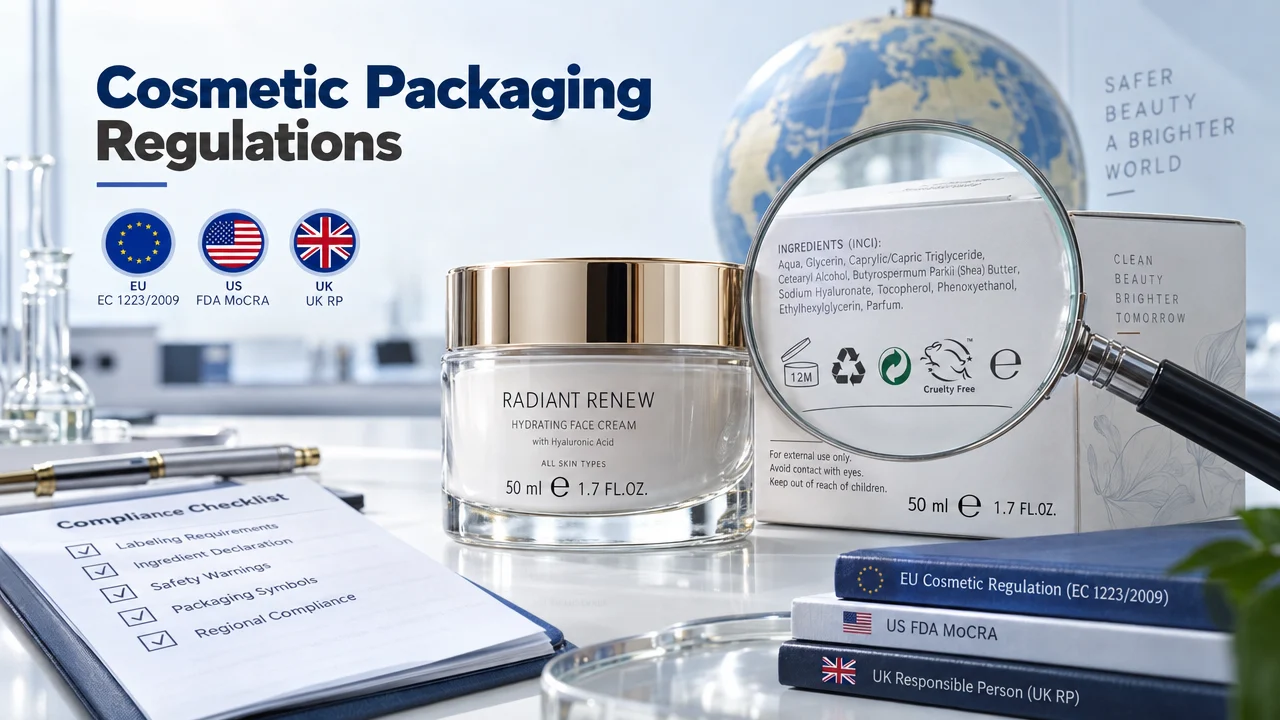
Cosmetic packaging does more than protect a product. It also carries important information and can affect product safety, labeling, and market compliance. If you plan to sell skincare or beauty products in the US, Europe, or Australia, understanding the regulatory requirements early can help you avoid costly packaging changes later.
Cosmetic packaging regulations vary by market and product type. In the US, EU, and Australia, requirements can affect product labeling, safety, ingredient information, packaging materials, claims, and other aspects of placing a cosmetic product on the market. The EU uses Regulation (EC) No. 1223/2009 as its main cosmetics framework, while US cosmetics are regulated under federal law administered by FDA, and Australia applies its own cosmetics and industrial chemical requirements.
The important point is that packaging compliance is not something brands should check only after production begins. It should be considered during product and packaging development.
What Are Cosmetic Packaging Regulations?
When people search for “cosmetic packaging regulations,” they may actually be asking about several different requirements.
These can include:
- Product labeling
- Ingredient declarations
- Net quantity
- Responsible company information
- Warning statements
- Product claims
- Packaging material requirements
- Product safety
- Formula-packaging compatibility
- Recycling or environmental requirements
- Import and market-entry requirements
There is no single worldwide regulation that applies to every cosmetic package.
Instead, requirements depend on:
Market + Product + Formula + Packaging + Claims + Distribution Channel
For example, the requirements for a facial serum sold in the European Union may differ from those for the same product sold in the United States or Australia.
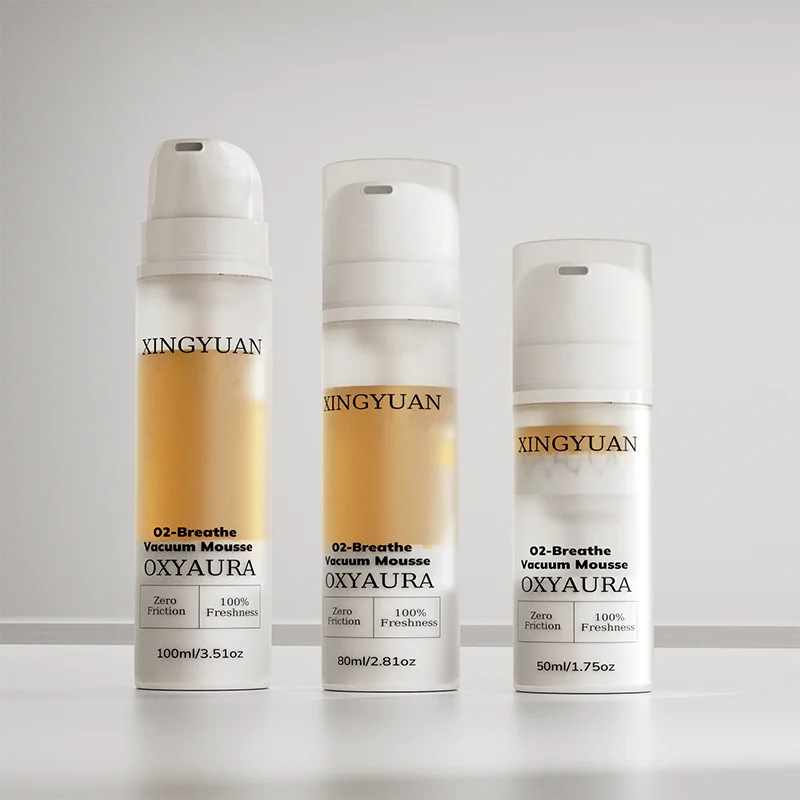
This is why brands should identify their target markets before finalizing packaging artwork.
Why Is Cosmetic Packaging Compliance Important?
Packaging is one of the main places where consumers receive information about a cosmetic product.
If required information is missing, incorrect, or difficult to use, a brand may face compliance problems.
Packaging issues can also create practical problems during production.
For example, a brand might finalize a bottle and print thousands of labels before discovering that:
- The text is too small
- Required information does not fit
- A mandatory statement is missing
- The product name creates an unintended regulatory issue
- The artwork needs to be changed for another market
Making changes before mass production is much easier than changing thousands of finished packages.
That is why regulatory requirements should be considered at the design stage, not only after manufacturing.
What Is the EU Cosmetic Regulation (EC) No 1223/2009?
The European Union’s main regulatory framework for finished cosmetic products is Regulation (EC) No 1223/2009 on cosmetic products.
It establishes requirements covering areas such as:
- Product safety
- Responsible Person
- Safety assessment
- Product information
- Ingredient restrictions
- Labeling
- Claims
- Product notification
The regulation is particularly important for brands placing cosmetics on the EU market.
For packaging, Article 19 is especially relevant because it sets out information that must appear on cosmetic product containers and/or packaging.
Depending on the product and circumstances, this can include information such as:
- Name and function of the product
- Nominal content
- Date of minimum durability or period-after-opening information where applicable
- Precautions for use
- Batch or reference identification
- Ingredient list
- Responsible Person information
Brands should always verify the current legal requirements for their specific product.
Official EU Cosmetics Legislation
What Are the EU Cosmetic Packaging Labeling Requirements?
EU cosmetic labeling requirements are an important consideration when developing bottles, jars, tubes, and secondary packaging.
The exact requirements depend on the product.
However, brands should consider whether the available label area is sufficient for required information.
This is particularly important for small cosmetic containers.
A 30 ml serum bottle may have limited space.
If the brand needs to include:
- Product name
- Net content
- Directions
- Warnings
- Batch information
- Ingredient list
the packaging design needs to accommodate these requirements.
This is where packaging design and regulatory planning need to work together.
A beautiful bottle with insufficient labeling space can become a practical problem.
What Are the EU Rules for Cosmetic Ingredients on Packaging?
Cosmetic products marketed in the EU generally need an ingredient list using the applicable ingredient naming conventions.
This information is normally presented on the packaging in accordance with the applicable EU rules.
For packaging development, this means brands should leave sufficient space for the final ingredient declaration.
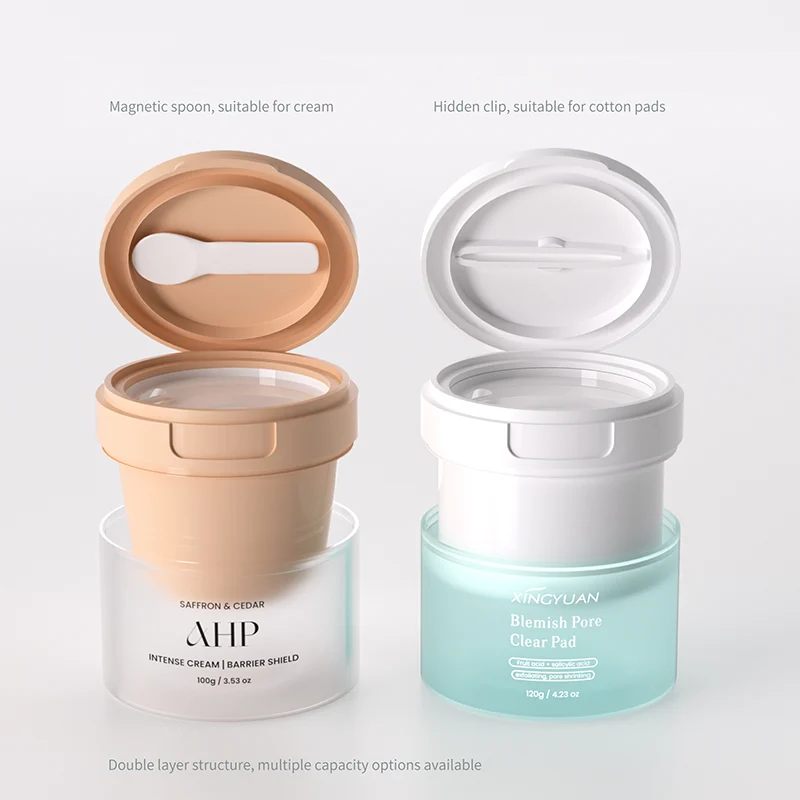
This is particularly important when:
- The formula contains many ingredients
- Multiple languages are required
- The package is small
- The product is sold across several European markets
A useful approach is to reserve the required information area before finalizing the artwork.
Do not design the bottle first and ask later:
“Where can we put the ingredient list?”
What Is the US Regulation for Cosmetic Packaging?
In the United States, cosmetics are regulated primarily under the Federal Food, Drug, and Cosmetic Act (FD&C Act) and the Fair Packaging and Labeling Act (FPLA), with FDA administering relevant federal requirements.
The Modernization of Cosmetics Regulation Act of 2022 (MoCRA) also introduced significant changes to the US cosmetics regulatory framework.
FDA provides guidance on cosmetic labeling requirements.
Official FDA Cosmetic Labeling Requirements
For packaging, brands should pay attention to information such as:
- Product identity
- Net quantity
- Business information
- Ingredient declaration
- Warning statements where required
- Other applicable labeling requirements
The exact requirements depend on the product and how it is marketed.
Are US and EU Cosmetic Packaging Requirements the Same?
No.
This is one of the most important points for brands selling internationally.
The US and EU have different regulatory systems.
For example, the EU uses the Responsible Person framework under Regulation (EC) No 1223/2009, while the US has its own regulatory and registration framework, including requirements introduced through MoCRA.
The labeling systems and certain ingredient and claim requirements also differ.
Therefore, a package designed for the EU should not automatically be assumed to be compliant in the US.
If you plan to sell in multiple markets, consider the requirements of each market before approving final artwork.
What Are the Cosmetic Labeling Requirements in Australia?
Australia has its own regulatory framework, and the requirements can depend on how a product is classified and the claims made about it.
Cosmetic ingredients used in Australia can fall under the regulatory framework administered by the Australian Industrial Chemicals Introduction Scheme (AICIS).
The Australian Competition and Consumer Commission (ACCC) also provides guidance on cosmetic labeling and ingredient information.
This means Australian brands and importers should consider both:
- Cosmetic product requirements
- Consumer labeling requirements
ACCC – Cosmetics and Therapeutic Goods
Brands selling in Australia should verify the current requirements for their particular product rather than relying on a generic global packaging template.
Do Cosmetic Packaging Materials Need to Be Safe for the Formula?
Yes, packaging should be suitable for the product it contains.
This is often discussed as packaging compatibility.
A package can look perfect but still be unsuitable for a particular formula.
Potential problems can include:
- Leakage
- Cracking
- Swelling
- Discoloration
- Changes in dispensing
- Interaction between formula and packaging
This is especially relevant for products containing ingredients that may interact with packaging materials or components.
For example, brands developing a new serum should not test only an empty bottle.
The actual formula should be evaluated with the actual packaging system.
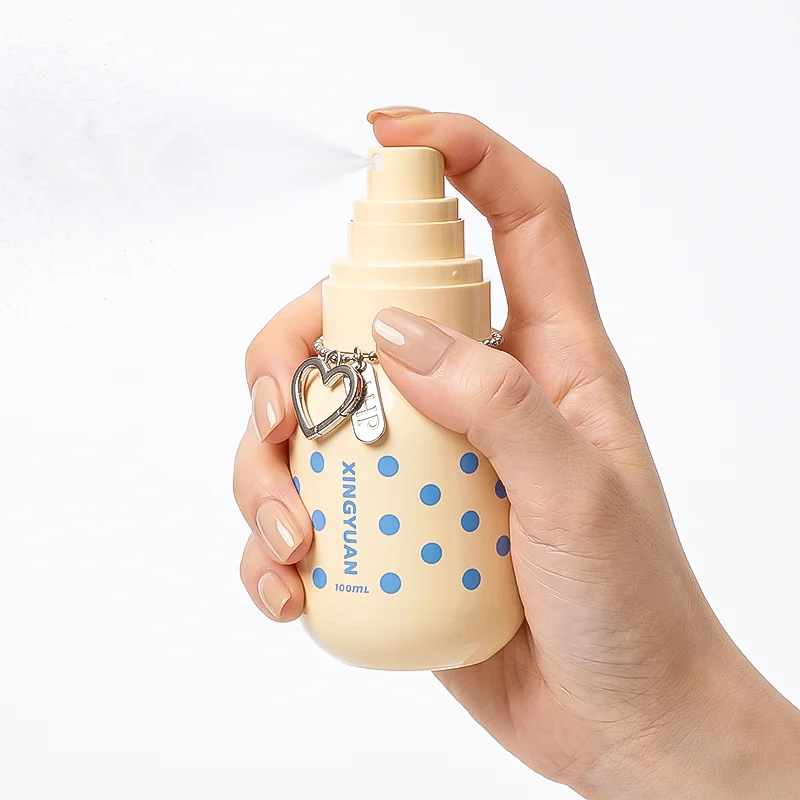
Are Cosmetic Bottles Required to Use Specific Materials?
There is no single material that is universally required for all cosmetic bottles.
Brands may use materials such as:
- PET
- PP
- PE
- Glass
- PCR plastic
- Aluminum
The appropriate material depends on:
- Product formula
- Packaging structure
- Functional requirements
- Target market
- Brand positioning
- Sustainability strategy
For plastic cosmetic packaging, the manufacturer should help the brand understand the technical characteristics of the proposed material.
However, brands remain responsible for ensuring that the final product complies with the regulations applicable to their market.
Are Cosmetic Packaging Claims Regulated?
Yes, claims are an important compliance consideration.
There is a major difference between saying:
“Hydrating Serum”
and making a claim that could move a product into a different regulatory category.
In the US, EU, Australia, and other markets, certain therapeutic or medicinal claims can create additional regulatory implications.
Similarly, environmental claims such as:
- Eco-friendly
- Sustainable
- 100% recyclable
- Biodegradable
- Plastic-free
should be supported by appropriate evidence and used carefully.
Packaging artwork should therefore be reviewed not only for visual appearance but also for the claims printed on it.
Do Cosmetic Packaging Regulations Cover Recycling Symbols?
Recycling and environmental labeling can involve additional rules depending on the market.
Brands may encounter requirements or guidance concerning:
- Recycling symbols
- Material identification
- Disposal information
- Extended Producer Responsibility
- Packaging waste
These requirements can change over time and can differ between countries and regions.
For brands selling internationally, it is therefore risky to place environmental symbols on packaging simply because they are commonly used elsewhere.
Instead, verify whether the symbol and claim are appropriate for the target market.
What Information Should Be Printed on Cosmetic Packaging?
The exact information depends on the target market and product.
However, a typical cosmetic package may need space for:
- Brand name
- Product name
- Product function
- Net content
- Ingredient list
- Directions
- Warnings
- Responsible business information
- Batch number
- Durability information where applicable
Not every item necessarily needs to appear in the same location or on the same component.
The important thing is to plan the overall packaging system.
For example:
Bottle + Label + Carton
can provide more information space than the bottle alone.
How Do Small Cosmetic Bottles Handle Regulatory Information?
Small containers can create a special design challenge.
Consider a 15ml or 30ml serum bottle.
There may not be enough space for every piece of information in a readable format.
Brands can consider solutions such as:
- Using a carton
- Using a secondary label
- Designing a larger label area
- Using appropriate fold-out or booklet-style labeling where permitted
- Moving certain information to secondary packaging where regulations allow
The key is to check the requirements before final artwork approval.
A packaging manufacturer can help with physical space and design feasibility, but the brand or its regulatory consultant should confirm the legal requirements.
Does Packaging Need to Include a Batch Number?
Batch or lot identification can be an important part of cosmetic product traceability.
The exact requirements and placement depend on the market.
From a manufacturing perspective, the packaging should provide a practical area for batch coding.
This might be applied:
- Directly to the bottle
- On a label
- On a carton
- Through inkjet or other coding methods
Brands should communicate batch-code requirements to the packaging supplier early.
A beautiful package that leaves no practical area for production coding can create unnecessary problems.
What Should Brands Check Before Printing Cosmetic Packaging?
Before approving packaging artwork, I recommend checking several areas.
Product Information
Is the product name correct?
Net Quantity
Is the quantity presented in the required format?
Ingredients
Has the final ingredient list been reviewed?
Warnings
Are required precautions included?
Company Information
Is the appropriate business or responsible-party information included?
Claims
Can every product and environmental claim be supported?
Batch Coding
Is there enough space for lot or batch information?
Language
Does the packaging meet the language requirements of the target market?
Artwork Size
Can all required information remain readable at the final print size?
This checklist can prevent expensive reprinting.
What Happens If Cosmetic Packaging Is Not Compliant?
The consequences depend on the market and the type of non-compliance.
Potential consequences can include:
- Product relabeling
- Packaging replacement
- Delayed launch
- Import problems
- Product withdrawal
- Corrective action
- Financial losses
- Damage to brand reputation
The exact legal consequences depend on the applicable law and circumstances.
For a growing beauty brand, even a simple packaging correction can be expensive if thousands of units have already been manufactured.
This is why regulatory review should happen before mass production.
How Can Brands Reduce Cosmetic Packaging Compliance Risks?
The easiest way to reduce risk is to involve the right people early.
A practical workflow is:
Target Market → Regulatory Review → Packaging Design → Artwork Review → Sample → Testing → Mass Production
Do not reverse this order.
For example, avoid:
Design → Print 50,000 labels → Discover a regulatory problem
Instead:
Regulatory Requirements → Design → Review → Approve → Produce
This approach can save both time and money.
What Should You Ask a Cosmetic Packaging Manufacturer?
When working with a packaging supplier, ask practical questions.
Material
What material is this package made from?
Structure
Is the packaging suitable for my product and dispensing system?
Decoration
Can you provide the required printing and finishing?
Coding
Is there an appropriate area for batch or lot coding?
Dimensions
What is the available label or printing area?
Testing
What packaging quality tests can you provide?
Documentation
Can you provide material specifications or relevant quality documents?
Customization
Can the packaging be modified to meet my artwork and structural requirements?
A reliable manufacturer should be able to explain the technical packaging side of the project.
However, brands should understand that a packaging manufacturer is not necessarily their legal regulatory advisor.
Can Comaypack Help With Cosmetic Packaging Compliance?
At Comaypack, we focus on the packaging manufacturing and development side of cosmetic projects.
Our services include:
- OEM/ODM packaging development
- Custom mold development
- Plastic cosmetic bottles
- Lotion bottles
- Serum bottles
- Airless bottles
- Cream jars
- Spray coating
- Electroplating
- Silk printing
- Hot stamping
- Assembly
- Quality control
- International export
We can help brands evaluate practical packaging questions such as:
- Is the design manufacturable?
- What material options are available?
- Where can the label or printing be placed?
- Can the package accommodate the required artwork?
- Which decoration process is appropriate?
- How should the bottle, pump, and cap be assembled?
For regulatory interpretation, however, brands should work with qualified regulatory professionals or consult the relevant government authority.
Our role is to help turn an approved packaging requirement into a production-ready packaging solution.
Cosmetic Packaging Regulations FAQs
What is the EU Cosmetic Regulation (EC) No 1223/2009?
Regulation (EC) No 1223/2009 is the European Union’s main legal framework for cosmetic products. It covers areas including product safety, responsible persons, safety assessments, ingredients, labeling, claims, and other requirements for cosmetics placed on the EU market.
What are the labeling requirements for cosmetic products in Australia?
Australian cosmetic labeling requirements depend on the product and how it is marketed. Brands should consider applicable ingredient disclosure and consumer-information requirements and check current guidance from Australian authorities such as AICIS and the ACCC.
What are the labeling requirements for cosmetic products in the European Union?
EU cosmetic labeling requirements are primarily addressed through Regulation (EC) No 1223/2009. Depending on the product, packaging may need information such as product function, nominal content, precautions, batch identification, ingredient information, and Responsible Person details.
What is the EU regulation on cosmetic products?
The main EU regulation is Regulation (EC) No 1223/2009 on cosmetic products. It establishes the core regulatory framework for cosmetics marketed in the European Union.
Are cosmetic packaging regulations the same in every country?
No. Cosmetic requirements vary between markets. A package compliant in one country may require different labeling, claims, language, or other changes for another market.
Does the FDA approve cosmetic packaging?
FDA generally does not operate a pre-market approval system for ordinary cosmetic packaging in the way consumers might assume. US cosmetic compliance involves requirements relating to the finished cosmetic product, labeling, safety, and applicable federal laws. Brands should consult current FDA guidance for their specific product.
Does cosmetic packaging need to be tested?
Packaging should be evaluated for suitability and performance. Depending on the product, this may include compatibility, leakage, dispensing, dimensional, appearance, and other tests. The required testing depends on the packaging system and formula.
Can I use the same cosmetic packaging for the US and EU?
Potentially, but the packaging artwork and regulatory information may need to differ. The physical bottle may be suitable for both markets while the label or carton requires different information.
Conclusion
Cosmetic packaging compliance depends on the target market, product, formula, packaging system, labeling, and claims. The EU, US, and Australia have different regulatory frameworks, so brands should review applicable requirements before finalizing packaging artwork and beginning mass production. Early regulatory planning can reduce the risk of costly relabeling, reprinting, or production delays.
For beauty brands, compliance should be part of packaging development from the beginning.
The best workflow is:
Market Requirements → Regulatory Review → Packaging Design → Artwork → Prototype → Testing → Production
And remember that there are two different questions:
“Can we manufacture this package?”
and:
“Can this finished cosmetic product legally be marketed in my target market?”
A packaging manufacturer can help answer the first question and support the technical implementation of the second.
At Comaypack, we help beauty brands develop and manufacture cosmetic packaging through OEM/ODM, mold development, plastic bottle manufacturing, surface treatment, assembly, quality control, and global export.
If you are preparing a cosmetic product for the USA, Europe, Australia, or other international markets, we can help you evaluate the packaging structure and manufacturing requirements before production.
Explore Custom Cosmetic Packaging
Disclaimer: This article provides general information about cosmetic packaging and regulatory considerations. It is not legal or regulatory advice. Requirements can change and vary by product and market. Brands should consult qualified regulatory professionals and the relevant authorities before placing products on the market.