
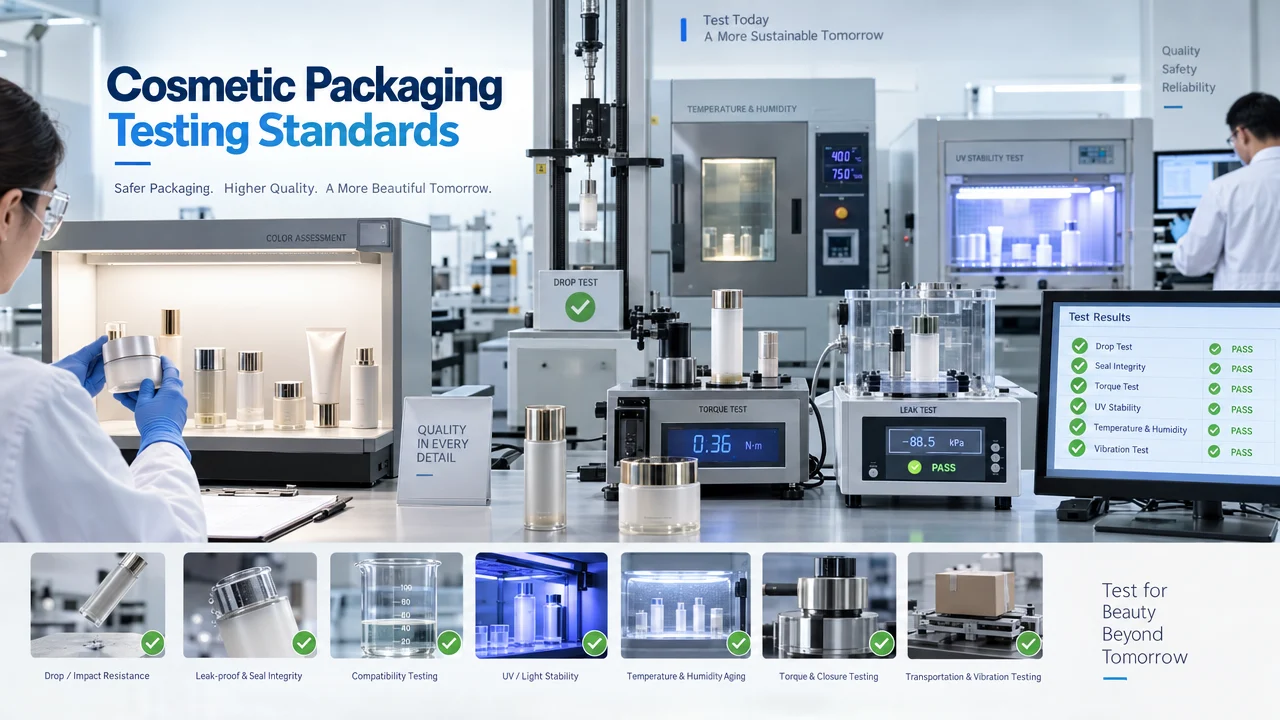
A cosmetic package can look perfect and still fail during filling, transportation, storage, or everyday use. A leaking pump, cracked bottle, loose cap, or formula that reacts with the container can turn a packaging problem into a product-quality issue. Testing before mass production helps brands identify these risks early.
Cosmetic packaging testing typically evaluates container integrity, leakage, dimensions, closure performance, drop resistance, dispensing, appearance, and compatibility with the cosmetic formula. Standards such as ISO and ASTM provide recognized testing methods, but there is no single test standard that applies to every cosmetic package. The appropriate tests depend on the packaging type, material, formula, market, and intended use.
For brands buying packaging internationally, understanding what should be tested—and when—is just as important as comparing unit prices.
What Are Cosmetic Packaging Testing Standards?
Cosmetic packaging testing standards are guidelines or standardized methods used to evaluate whether packaging performs as intended.
They can cover different characteristics, including:
- Mechanical strength
- Package integrity
- Leakage
- Closure performance
- Drop resistance
- Material properties
- Dispensing performance
- Appearance
- Formula compatibility
Standards may come from organizations such as:
- ISO
- ASTM International
- Other national or regional standards organizations
However, a standard should not automatically be interpreted as a legal requirement for every cosmetic product.
The appropriate testing program depends on the specific project.
For example, testing requirements for a 30 ml serum dropper bottle will be different from those for a 500 ml lotion bottle or an airless cream package.
What Are the Main Cosmetic Packaging Tests?
A practical cosmetic packaging quality program may include:
- Appearance inspection
- Dimensional inspection
- Weight and capacity checks
- Leakage testing
- Closure torque testing
- Drop testing
- Dispensing testing
- Pump or dropper performance testing
- Decoration adhesion testing
- Formula compatibility testing
- Transportation testing
- Packaging integrity testing
Not every project needs all of these tests.
The objective is to identify the tests that correspond to the package’s actual risks.
What Are the ASTM Standards for Packaging?
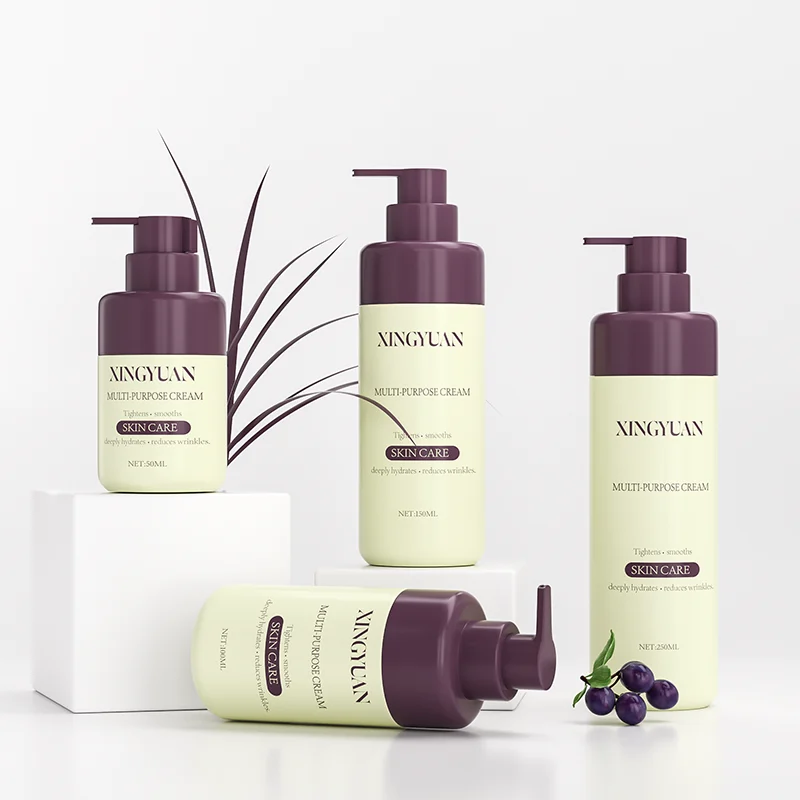
ASTM International publishes numerous standards covering packaging materials, containers, transportation testing, and package performance.
There is no single “ASTM cosmetic packaging standard.”
Instead, different ASTM methods can be relevant to different packaging problems.
For example, ASTM D5276 is a standard test method for drop testing of loaded containers by free fall. Other ASTM standards address specific package integrity, materials, or transportation-related testing.
The correct standard depends on what you are trying to evaluate.
For this reason, I would avoid asking a supplier:
“Is this bottle ASTM certified?”
A better question is:
“Which test methods were used to evaluate this packaging, and what were the test conditions and results?”
That gives you much more useful information.
What Is the ISO Standard for Cosmetic Packaging?
One standard commonly associated with cosmetics packaging and labeling is ISO 22715, Cosmetics — Packaging and labelling.
However, ISO 22715 should not be treated as a universal laboratory testing standard covering every performance test for cosmetic containers.
Different ISO standards and other recognized methods may apply to specific packaging characteristics.
The important distinction is:
Packaging guidance ≠ one universal packaging test
A supplier saying that a package is “ISO compliant” is therefore not enough information by itself.
Brands should ask:
- Which ISO standard?
- Which section?
- Which test?
- What conditions?
- What acceptance criteria?
- Was the test performed on the final packaging?
How Can You Test for Leaks in Cosmetic Packaging?
Leakage testing is one of the most important tests for liquid and semi-liquid cosmetic packaging.
It can be particularly relevant for:
- Lotion bottles
- Serum bottles
- Toner bottles
- Airless bottles
- Pumps
- Droppers
- Sprayers
A basic leak test evaluates whether the complete package remains sealed under specified conditions.
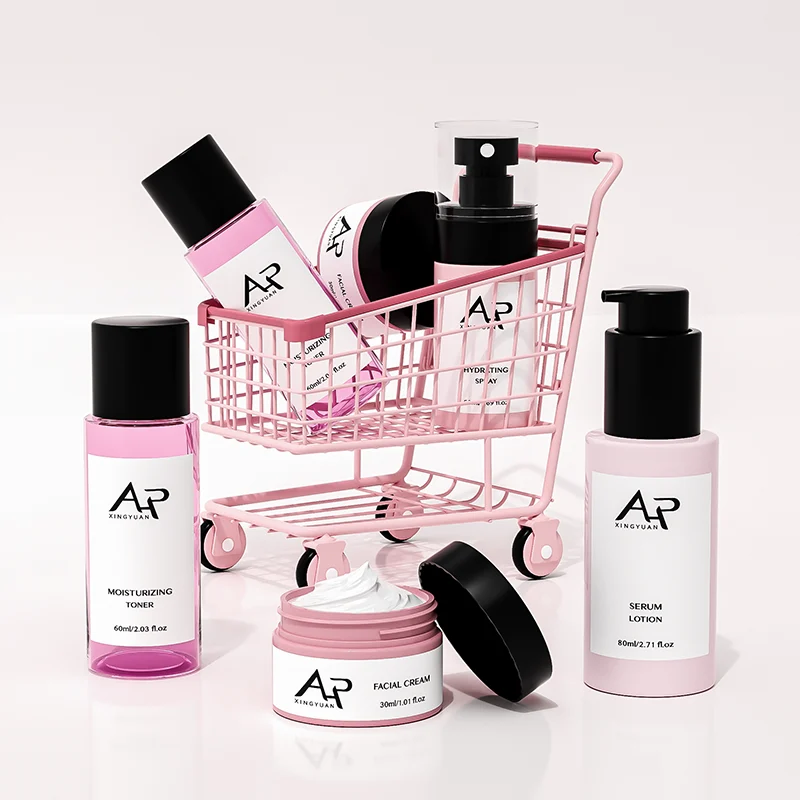
Depending on the package, testing may consider:
- Bottle body
- Neck
- Cap
- Pump
- Gasket
- Dip tube
- Other connection points
The exact method should reflect how the package will actually be used and transported.
For example, a package that passes a simple static test may still leak when exposed to vibration, pressure changes, or repeated handling.
Why Is Closure Torque Testing Important?
Torque testing measures the force required to open or close a threaded closure.
It is especially relevant for:
- Screw caps
- Cosmetic jars
- Bottles
- Some dispensing systems
If the closure is too loose, leakage can occur.
If it is too tight, the consumer may have difficulty opening the product.
The goal is consistent and appropriate closure performance.
For production control, manufacturers can use torque testing to monitor whether caps are being applied within an agreed range.
The actual target depends on the specific closure and packaging design.
What Is the Standard for Drop Test Packaging?
Drop testing evaluates how a package responds to accidental impacts.
ASTM D5276 is one recognized standard test method for free-fall drop testing of loaded containers.
A drop test can help identify problems such as:
- Cracked bottles
- Broken caps
- Detached components
- Leakage
- Structural deformation
The test conditions matter.
A test may specify factors such as:
- Drop height
- Number of drops
- Orientation
- Package condition
- Product or simulated product inside
The testing method should therefore be agreed before testing begins.
Why Is Cosmetic Packaging Drop Testing Important?
Cosmetic packaging can experience many impacts before reaching the consumer.
The package may be:
Factory → Carton → Pallet → Truck → Warehouse → Retailer → Consumer
At each stage, it can experience:
- Drops
- Vibration
- Compression
- Shocks
- Temperature changes
A bottle that survives production but breaks during transportation can still create a major business problem.
This is why drop testing should be considered together with the secondary shipping package, not only the individual bottle.
How Is Cosmetic Packaging Compatibility Tested?
Compatibility testing evaluates how the cosmetic formula interacts with the packaging.
This is particularly important because packaging is in direct or indirect contact with the product for an extended period.
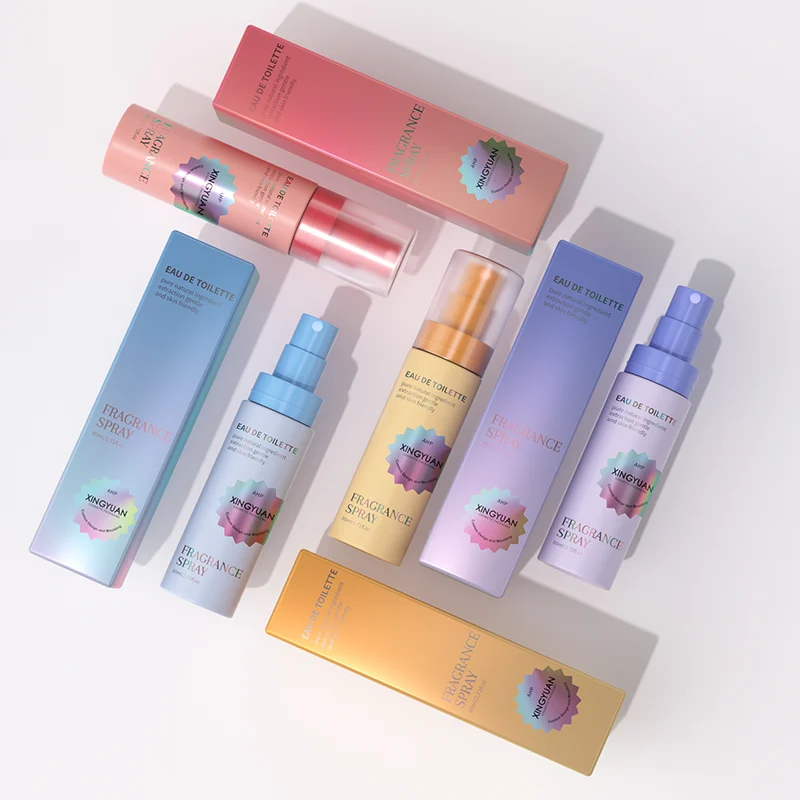
Potential issues include:
- Formula discoloration
- Bottle discoloration
- Plastic swelling
- Cracking
- Leakage
- Odor changes
- Formula separation
- Changes in dispensing performance
The actual formula should be tested in the intended packaging whenever practical.
Testing only an empty bottle cannot tell you whether the formula will interact with the packaging over time.
Why Is Compatibility Testing Important for Plastic Cosmetic Bottles?
Plastic packaging can interact differently with different cosmetic formulas.
For example, a brand may be developing a serum containing:
- Oils
- Alcohol
- Acids
- Active ingredients
- Fragrance components
The packaging material and dispensing components should be evaluated for suitability.
A bottle can pass a basic mechanical test and still fail a long-term compatibility test.
This is why packaging selection should happen together with formula development.
[Internal Link: Sustainable Cosmetic Packaging Materials]
What Tests Should Be Used for Cosmetic Pumps?
Pumps have additional functional requirements because they are dispensing systems rather than simple containers.
A pump may be tested for:
- Actuation
- Dispensing
- Dosage consistency
- Priming
- Leakage
- Repeated operation
- Closure fit
For example, a serum pump may need to dispense a relatively small quantity consistently.
An airless pump may require additional evaluation because its internal mechanism needs to work with the container and formula.
The complete system should be tested rather than testing the pump in isolation.
How Are Dropper Bottles Tested?
Droppers are commonly used for:
- Facial serums
- Essential-oil-based products
- Treatment products
- Beauty concentrates
Testing may include:
- Dropper fit
- Leakage
- Dispensing
- Drop volume consistency
- Cap closure
- Glass or plastic durability
- Compatibility with the formula
A dropper that looks premium but leaks around the cap can quickly create customer complaints.
The bottle, pipette, bulb, cap, and formula should therefore be considered as one system.
How Are Airless Bottles Tested?
Airless packaging requires several functional checks.
An airless bottle may contain:
- Outer bottle
- Inner container or piston
- Pump
- Actuator
- Closure
Testing can include:
- Pump activation
- Priming
- Dispensing consistency
- Leakage
- Product evacuation
- Component fit
- Formula compatibility
The package should also be tested with the actual formula because viscosity and formulation characteristics can affect dispensing performance.
How Are Cosmetic Cream Jars Tested?
Cream jars may appear simple, but they still require quality testing.
Potential tests include:
- Dimensional inspection
- Closure fit
- Leakage or sealing evaluation
- Drop resistance
- Thread performance
- Surface inspection
- Decoration adhesion
- Formula compatibility
If the jar contains an inner container or liner, those components should also be checked.
For premium cream jars, appearance consistency is particularly important because surface defects can be more visible.
How Is Cosmetic Packaging Decoration Tested?
Decoration is part of the consumer-facing quality of the package.
Common decoration methods include:
- Spray coating
- Electroplating
- Silk printing
- Hot stamping
Testing can evaluate:
- Color consistency
- Adhesion
- Abrasion resistance
- Printing quality
- Surface defects
- Position accuracy
The appropriate test depends on the decoration method.
For example, printed graphics may require different evaluation from a sprayed coating.
A package should be tested after the actual decoration process, not only before decoration.
Why Is Dimensional Testing Important?
Packaging components need to meet their approved dimensions.
A small dimensional variation can affect:
- Pump fit
- Cap fit
- Label application
- Assembly
- Sealing
- Filling
- Consumer experience
Important measurements may include:
- Height
- Diameter
- Neck size
- Thread dimensions
- Wall thickness
- Capacity
- Component fit
For custom packaging, dimensional tolerances should be agreed during the development stage.
How Is Cosmetic Packaging Capacity Tested?
A bottle advertised as 30 ml needs to meet the applicable requirements for how its nominal content is represented.
Manufacturers may also check the physical capacity of the container during development.
This is different from the actual amount of cosmetic product filled into the package.
The distinction between:
Container capacity
and
Declared net quantity
should be understood during packaging development.
Brands should also confirm the applicable labeling and measurement requirements for their target market.
What Is Package Integrity Testing?
Package integrity testing evaluates whether the packaging maintains its protective function.
For a cosmetic bottle, this may involve evaluating:
- Seals
- Closures
- Bottle body
- Pump connections
- Liners
- Joints
Integrity testing is particularly important for liquid products.
A package can have a visually perfect appearance while having a small leak path that is difficult to see.
Depending on the package, testing can be destructive or non-destructive.
The appropriate method depends on the packaging structure and risk.
What Is Transportation Testing for Cosmetic Packaging?
Transportation testing evaluates whether the packaging system can survive distribution.
This may involve:
- Drop testing
- Vibration
- Compression
- Shock
- Temperature exposure
The objective is not simply to test the bottle.
The entire shipping configuration can matter:
Primary Package + Secondary Package + Carton + Pallet
For international shipments, this becomes especially important.
A cosmetic package traveling from a manufacturer in China to a customer in the USA, Europe, or Australia may experience a long and complex distribution journey.
Should Cosmetic Packaging Be Tested at Different Temperatures?
In some projects, temperature exposure can be useful.
Cosmetic products may encounter different temperatures during:
- Manufacturing
- Warehousing
- Transportation
- Retail
- Consumer use
Temperature changes can affect both the formula and the packaging.
Potential problems include:
- Expansion
- Contraction
- Leakage
- Pump performance changes
- Material deformation
- Formula-package interaction
The appropriate temperature conditions and duration depend on the product and market.
Brands should establish these conditions based on their actual distribution and product risks.
When Should Cosmetic Packaging Be Tested?
Testing should happen at several stages.
Stage 1: Prototype
Use early samples to identify structural problems.
Stage 2: Pre-Production Sample
Confirm the final materials, components, and appearance.
Stage 3: Compatibility Testing
Test the actual formula with the final packaging.
Stage 4: Mass Production
Perform quality checks on production batches.
Stage 5: Shipment Testing
Evaluate the complete shipping configuration where necessary.
This approach is much safer than testing only after mass production.
What Is the Difference Between Factory QC and Third-Party Testing?
A manufacturer’s internal quality control and an independent laboratory serve different purposes.
Factory QC
Factory inspection can monitor:
- Dimensions
- Appearance
- Weight
- Assembly
- Leakage
- Decoration
- Production consistency
It is useful for controlling manufacturing quality.
Third-Party Testing
Independent laboratories can provide additional verification using specified test methods.
This can be useful when:
- A customer requires independent test reports
- A project has higher risk
- A buyer needs documented verification
- A market or customer specification requires it
The right approach depends on the buyer’s requirements.
What Should Brands Ask for in a Cosmetic Packaging Test Report?
A useful test report should provide enough information to understand what was actually tested.
Look for:
- Product identification
- Sample identification
- Test method
- Test conditions
- Number of samples
- Test date
- Results
- Acceptance criteria
- Pass/fail conclusion
- Laboratory or responsible party
Do not simply ask:
“Do you have a test report?”
Ask:
“What exactly was tested, using which method, under what conditions?”
That makes supplier evaluation much more meaningful.
How Can Brands Create a Cosmetic Packaging Testing Plan?
I recommend starting with a simple risk-based matrix.
| Packaging Type | Recommended Test Areas |
| Lotion Bottle | Leakage, drop, closure, compatibility |
| Serum Bottle | Leakage, dispensing, compatibility |
| Dropper Bottle | Dropper performance, leakage, compatibility |
| Airless Bottle | Priming, dispensing, leakage, compatibility |
| Cream Jar | Closure, drop, sealing, compatibility |
| Pump Bottle | Pump performance, leakage, torque |
| Printed Package | Appearance, color, adhesion, abrasion |
This is only a starting point.
The actual testing program should be determined by the packaging structure, formula, distribution conditions, customer specifications, and applicable requirements.
What Should You Ask a Cosmetic Packaging Manufacturer?
Before placing a production order, I recommend asking:
About Materials
What material is used for each component?
About Quality Control
What inspections are performed during production?
About Leakage
How do you test the finished package for leakage?
About Dimensions
What dimensional tolerances are controlled?
About Pumps
How do you evaluate dispensing performance?
About Decoration
How do you test printing and coating adhesion?
About Compatibility
Can you support formula-packaging compatibility testing?
About Reports
Can you provide test records or inspection reports?
About Samples
Can I approve a final production sample before mass production?
These questions help you understand whether the supplier has a structured quality-control process.
How Does Comaypack Approach Cosmetic Packaging Quality?
At Comaypack, we understand that cosmetic packaging quality involves more than visual appearance.
Our packaging development and manufacturing process can include:
- Product design evaluation
- Material selection
- Mold development
- Prototype sampling
- Dimensional inspection
- Appearance inspection
- Component assembly
- Leakage-related checks
- Decoration quality control
- Production inspection
Our core product categories include:
- Plastic lotion bottles
- Serum bottles
- Airless bottles
- Cream jars
- Custom cosmetic packaging
We also provide surface treatments such as:
- Spray coating
- Electroplating
- Silk printing
- Hot stamping
For brands selling internationally, we have experience supporting customers in the USA, Europe, and Australia.
Our role is to help turn packaging specifications into a stable manufacturing process.
Where a project requires specialized third-party laboratory testing or regulatory certification, the appropriate independent laboratory or regulatory professional should be involved.
Cosmetic Packaging Testing Standards FAQs
What are the main cosmetic packaging tests?
Common tests include appearance, dimensions, capacity, leakage, closure torque, drop resistance, dispensing performance, decoration adhesion, formula compatibility, and transportation testing. The appropriate combination depends on the package and product.
What are the ASTM standards for packaging?
ASTM publishes many packaging-related test methods rather than one universal cosmetic packaging standard. For example, ASTM D5276 covers free-fall drop testing of loaded containers. The appropriate ASTM method depends on the property being evaluated.
What is the ISO standard for cosmetic packaging?
ISO 22715 is titled Cosmetics — Packaging and labelling and provides guidance related to cosmetic packaging and labeling. Other ISO standards or test methods may apply to specific packaging characteristics.
How can I test cosmetic packaging for leaks?
Leak testing should evaluate the complete package, including the container and closure or dispensing system. The appropriate method depends on the package design, product, and intended distribution conditions.
What is the standard for drop test packaging?
ASTM D5276 is a recognized standard test method for drop testing loaded containers by free fall. The specific drop height, orientation, number of drops, and acceptance criteria should be established according to the project requirements.
Does cosmetic packaging need compatibility testing?
Compatibility testing is strongly recommended when the packaging will be in contact with a cosmetic formula for an extended period. It can identify potential problems such as leakage, cracking, swelling, discoloration, or changes in dispensing performance.
Should cosmetic packaging be tested before mass production?
Yes. Prototype and pre-production testing can identify structural and functional problems before large quantities are manufactured. Final production samples should also be checked to confirm consistency.
Is a cosmetic packaging test report a certification?
Not necessarily. A test report documents the results of specific tests under specified conditions. It should not automatically be interpreted as regulatory approval or universal certification.
Conclusion
Cosmetic packaging testing helps brands evaluate whether bottles, jars, pumps, droppers, and other packaging components can perform reliably throughout filling, transportation, storage, and consumer use. ASTM, ISO, and other methods can provide useful testing frameworks, but there is no single test standard for every cosmetic package. The right testing plan should be based on the packaging structure, formula, market, and distribution conditions.
For me, the most important principle is simple:
Do not test only whether the package looks good. Test whether it works.
A successful cosmetic package should:
- Protect the formula
- Remain sealed
- Dispense correctly
- Survive transportation
- Maintain its appearance
- Fit its components properly
- Remain compatible with the formula
- Meet the agreed quality requirements
Testing early is usually much less expensive than discovering a packaging problem after mass production.
At Comaypack, we support beauty brands with OEM/ODM packaging development, mold development, plastic cosmetic packaging manufacturing, surface treatment, assembly, quality control, and international delivery.
If you are developing a lotion bottle, serum bottle, airless bottle, cream jar, or custom cosmetic package, we can help you identify the key manufacturing and quality considerations before moving into mass production.