
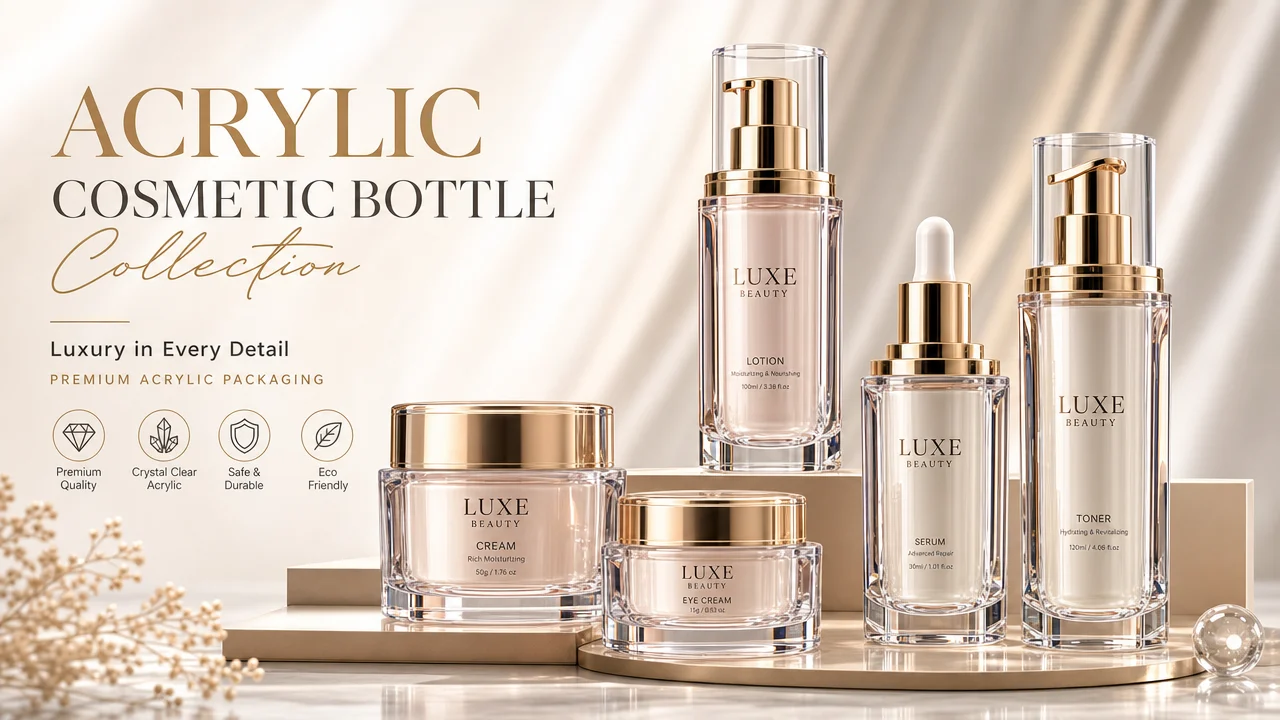
Sustainability has become one of the biggest priorities in the beauty industry. Cosmetic brands are under pressure to reduce packaging waste while still delivering premium product experiences. Acrylic packaging remains widely used in luxury skincare, but many buyers now ask an important question: is acrylic actually sustainable?
Acrylic is not considered fully sustainable because it is petroleum-based and non-biodegradable. However, acrylic can support sustainable cosmetic packaging strategies through durability, refillable designs, long product lifespan, and premium reusable packaging applications. In luxury skincare packaging, high-quality acrylic jars often reduce replacement frequency and improve packaging longevity.
For cosmetic brands, packaging buyers, and sustainability professionals, understanding the real environmental profile of acrylic is essential before choosing materials for luxury skincare packaging.
What Is Acrylic Material?
Acrylic, also known as PMMA (Polymethyl Methacrylate), is a transparent plastic material commonly used in cosmetic packaging.
It is especially popular for:
- Luxury skincare jars
- Cream containers
- Serum bottles
- Double-wall cosmetic packaging
- Premium beauty packaging displays
Acrylic is valued because it offers a glass-like appearance while remaining lighter and more impact-resistant than glass.
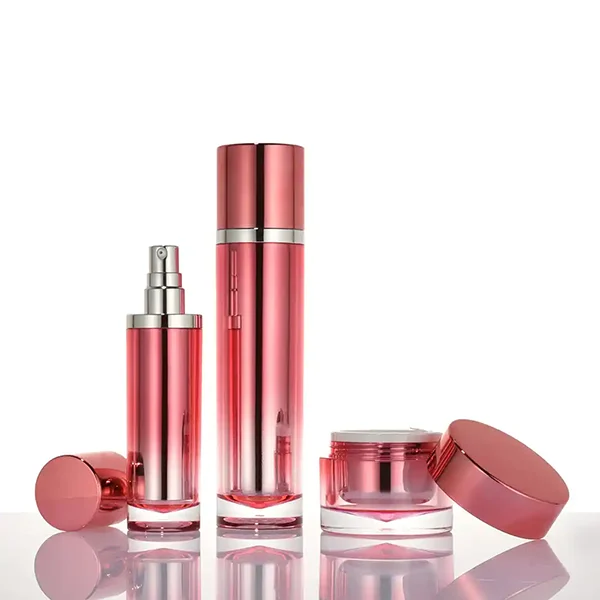
In the cosmetics industry, acrylic packaging is often associated with:
- High-end branding
- Elegant shelf appearance
- Product visibility
- Premium customer experience
Many luxury skincare brands choose acrylic cosmetic jars because they create a sophisticated look without the fragility of glass.
Resource: PMMA material overview
Is Acrylic Environmentally Friendly?
The answer is not completely straightforward.
Acrylic has both environmental advantages and sustainability limitations.
Why Acrylic Is Not Fully Sustainable
Acrylic is made from petroleum-based chemicals. Unlike biodegradable materials, it does not naturally decompose in the environment.
Key environmental concerns include:
- Fossil fuel dependence
- Non-biodegradable waste
- Limited recycling systems
- Energy-intensive manufacturing
This means acrylic cannot be classified as a fully eco-friendly material in the same category as compostable or plant-based packaging.
Why Acrylic Can Still Support Sustainability Goals
Although acrylic is not biodegradable, sustainability involves more than just decomposition.
In cosmetic packaging, durability and reuse also matter.
High-quality acrylic packaging offers:
- Long product lifespan
- Refillable compatibility
- Reduced breakage
- Lower replacement frequency
- Reusability for consumers
Acrylic jars used repeatedly over several years may generate less waste than low-quality disposable packaging that requires constant replacement.
This is especially important in luxury skincare packaging, where consumers often keep containers for refill purposes or decorative reuse.
Can Acrylic Be Recycled?
Technically, yes.
PMMA acrylic can be recycled. However, real-world recycling is more complicated.
The Main Recycling Challenge
Most municipal recycling systems are not designed to process acrylic packaging efficiently.
This creates several issues:
- Limited collection programs
- Difficult material sorting
- Higher recycling costs
- Low recycling awareness among consumers
As a result, many acrylic cosmetic jars still end up in landfills despite being technically recyclable.
Mechanical and Chemical Recycling
There are two primary recycling methods for acrylic:
Mechanical Recycling
The material is shredded and reprocessed into new products.
Chemical Recycling
PMMA can be broken down into raw monomers and reused for manufacturing.
Chemical recycling offers better material recovery but remains expensive and less widely available.
For cosmetic brands, improving recyclability often depends on:
- Simplified packaging design
- Mono-material construction
- Clear recycling instructions
- Supplier innovation
Resource: Cosmetic packaging recycling solutions
Why Is Acrylic Popular in Luxury Cosmetic Packaging?
Despite sustainability concerns, acrylic remains extremely popular in premium beauty packaging.
There are several reasons for this.
1. Luxury Appearance
Acrylic delivers exceptional transparency and visual clarity.
It closely resembles glass while offering greater durability.
Luxury skincare brands use acrylic to create:
- Premium shelf impact
- Elegant product presentation
- High perceived value
2. Lightweight Transportation
Compared with glass, acrylic is much lighter.
This helps reduce:
- Shipping costs
- Transportation damage
- Carbon emissions during logistics
For international B2B distributors and cosmetic exporters, lightweight packaging can improve supply chain efficiency significantly.
3. Durability and Product Protection
Acrylic packaging resists impact better than glass.
This makes it suitable for:
- E-commerce shipping
- Hotel amenities
- Travel skincare products
- Professional salon use
Long-lasting packaging can contribute to sustainability by reducing product damage and replacement rates.
4. Refillable Packaging Compatibility
Many luxury brands now combine acrylic outer jars with refillable inner containers.
This strategy allows consumers to:
- Reuse the decorative outer packaging
- Replace only the inner refill cup
- Reduce overall material waste
Refillable skincare packaging is becoming one of the fastest-growing sustainability trends in the cosmetics industry.
Advantages of Acrylic Cosmetic Packaging
For cosmetic brands and packaging buyers, acrylic offers several commercial and functional advantages.
Excellent Branding Potential
Acrylic supports:
- Metallic finishes
- Gradient colors
- Double-wall effects
- Custom luxury designs
This flexibility helps brands differentiate themselves in competitive beauty markets.
Long Product Lifespan
High-quality acrylic packaging can maintain appearance and performance for years.
This supports:
- Premium positioning
- Consumer reuse
- Refillable packaging systems
Lower Breakage Risk
Glass packaging may crack during transportation or consumer use.
Acrylic reduces this risk significantly, especially in:
- Global shipping
- Hotel environments
- Bathroom storage conditions
Consumer Experience
Luxury packaging improves customer perception.
A durable acrylic jar often feels more premium than lightweight disposable plastic containers.
Disadvantages of Acrylic Packaging
Although acrylic offers many benefits, cosmetic brands should also understand its limitations.
Non-Biodegradable Material
Acrylic does not naturally break down in the environment.
Without proper recycling systems, waste accumulation remains a concern.
Fossil Fuel Dependence
PMMA production relies on petroleum-based raw materials.
As sustainability regulations tighten globally, some brands may seek lower-carbon alternatives.
Recycling Complexity
Mixed-material packaging can reduce recyclability.
For example:
- Acrylic combined with metal
- Multi-layer decorative components
- Non-removable inserts
Complex designs may create additional recycling challenges.
Greenwashing Risks
Some brands market acrylic packaging as fully sustainable without acknowledging its limitations.
Today’s consumers and B2B buyers increasingly expect transparent environmental communication.
Responsible sustainability claims are essential for maintaining trust.
Can Acrylic Support Sustainable Packaging Goals?
In many cases, yes.
The key factor is how the material is designed, used, and managed throughout its lifecycle.
Refillable Packaging Systems
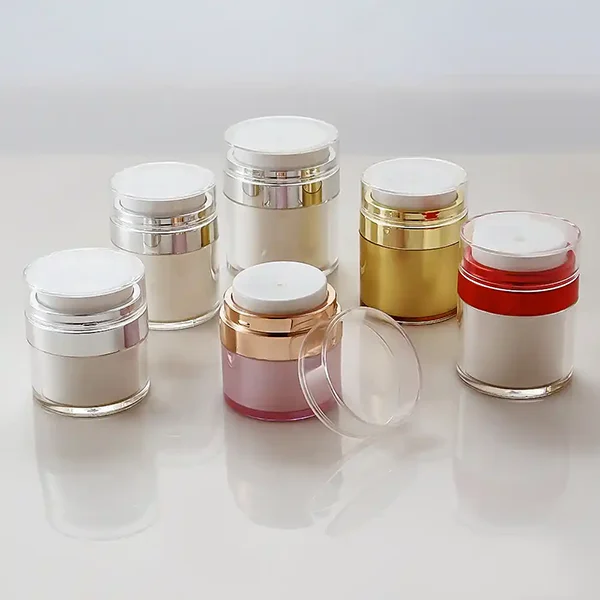
Refillable acrylic jars are becoming increasingly common in luxury skincare.
Instead of discarding the entire package, consumers replace only the inner refill component.
This reduces:
- Material consumption
- Packaging waste
- Long-term environmental impact
Long-Term Reuse
Durable packaging can remain functional for years.
Many consumers reuse acrylic jars for:
- Travel containers
- Storage
- Decorative purposes
Long-term reuse can improve the sustainability profile of acrylic packaging.
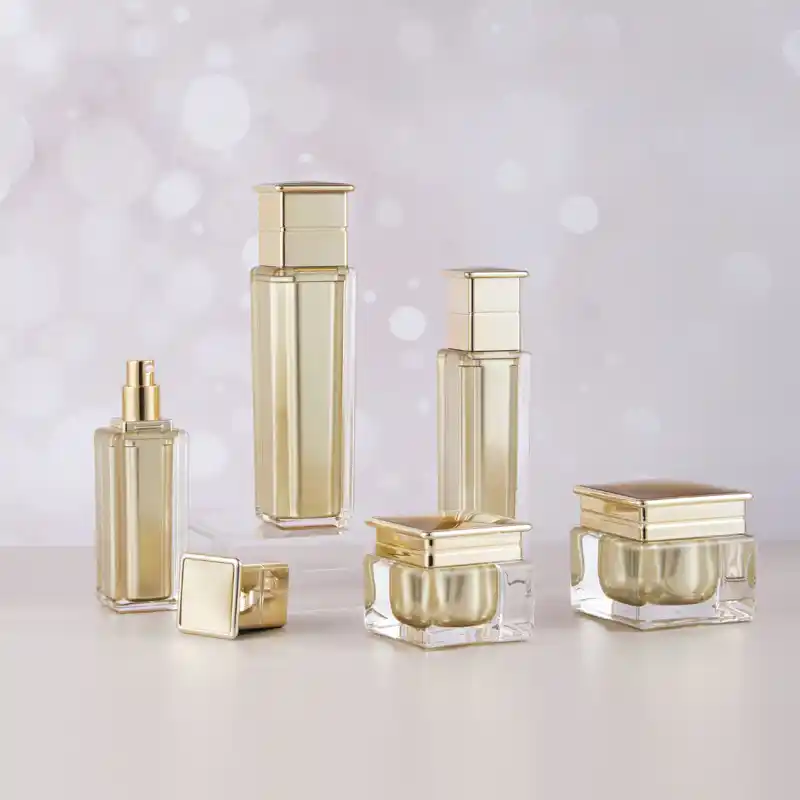
Packaging Optimization
Brands can improve acrylic sustainability through:
- Lightweight engineering
- Reduced secondary packaging
- Minimalist design
- Recyclable component separation
Small packaging improvements can significantly reduce environmental impact at scale.
How Cosmetic Brands Can Use Acrylic More Sustainably
Sustainability is no longer only about material selection. It also involves packaging strategy and product lifecycle planning.
Design for Refillability
Refill systems are one of the best ways to improve acrylic sustainability.
Luxury skincare brands increasingly use:
- Refillable cream jars
- Replaceable cartridges
- Reusable outer shells
This extends packaging lifespan dramatically.
Work With Reliable Packaging Suppliers
Supplier quality plays a major role in sustainable packaging performance.
Experienced manufacturers like Xingyuan Plastic help cosmetic brands develop:
- Refillable acrylic packaging systems
- Sustainable packaging solutions
- OEM luxury skincare packaging
- Durable cosmetic jars
Reliable suppliers can also support:
- Packaging optimization
- Material consistency
- Leak prevention
- Long-term durability testing
Resource: Luxury cosmetic packaging solutions
Reduce Unnecessary Packaging
Many luxury products still use excessive:
- Inserts
- Decorative layers
- Secondary boxes
Minimalist packaging design can improve sustainability without sacrificing premium appearance.
Choosing the Right Acrylic Packaging Supplier
For B2B buyers and importers, supplier selection is critical.
Low-quality acrylic packaging may:
- Yellow over time
- Crack easily
- Leak
- Reduce brand reputation
Key Factors to Evaluate
Material Quality
Check PMMA purity and transparency standards.
Refill Compatibility
Ensure refill systems function smoothly and securely.
Manufacturing Consistency
Stable production quality reduces defect rates.
Sustainability Initiatives
Ask suppliers about:
- Material reduction programs
- Recycling efforts
- Lightweight packaging engineering
Technical Support
Professional engineering support helps improve packaging performance long term.
FAQ
Is acrylic biodegradable?
No. Acrylic is a non-biodegradable plastic material.
Is PMMA eco friendly?
PMMA is not fully eco friendly, but durable and refillable PMMA packaging can support sustainability strategies.
Are acrylic cosmetic jars recyclable?
Technically yes, but recycling infrastructure for acrylic remains limited in many regions.
Why do luxury skincare brands use acrylic?
Acrylic offers premium appearance, durability, lightweight transportation, and refillable packaging compatibility.
Can acrylic packaging be reused?
Yes. Many consumers reuse acrylic jars for refills, storage, and decorative purposes.
Is refillable acrylic packaging sustainable?
Refillable systems can improve sustainability significantly by reducing material waste and extending packaging lifespan.
Conclusion
Acrylic is not a perfect sustainable material because it is petroleum-based and non-biodegradable. However, in the cosmetic packaging industry, high-quality acrylic can still support sustainability goals through durability, refillability, lightweight transportation, and long-term reuse. For beauty brands, the most effective approach is not simply choosing trendy materials, but designing smarter packaging systems with responsible suppliers and lifecycle-focused strategies.