
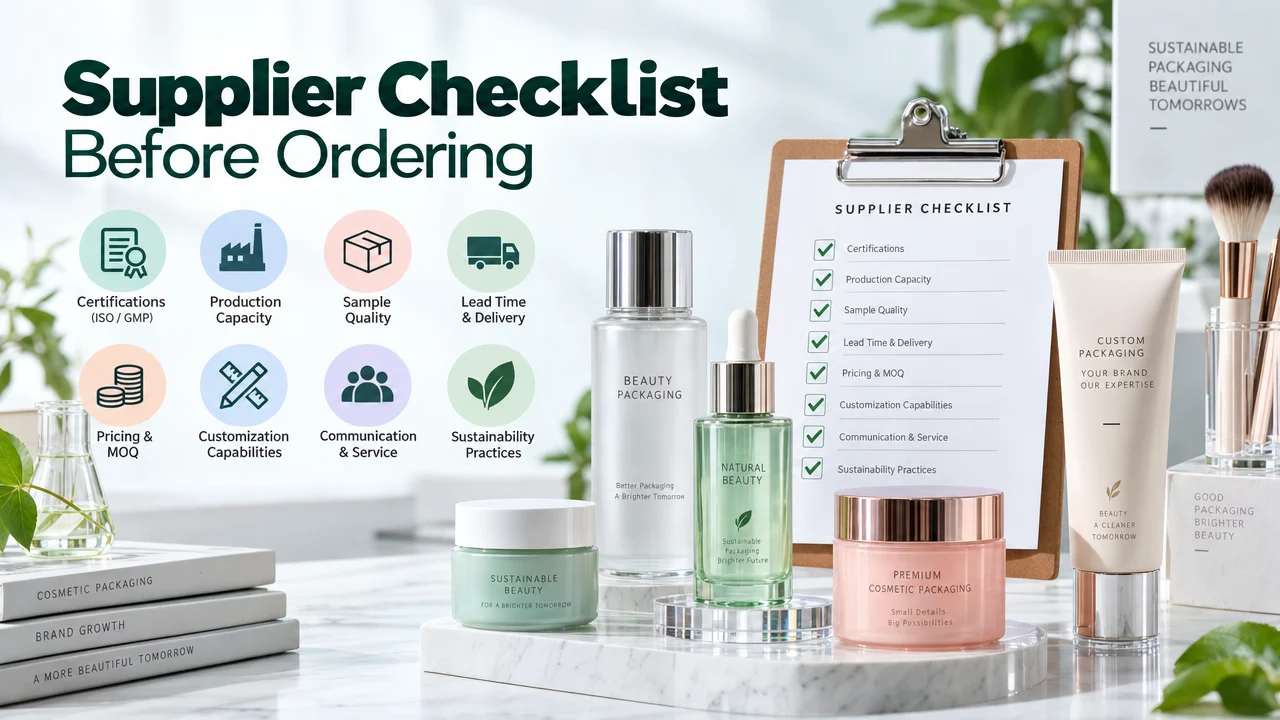
Choosing a cosmetic packaging supplier is not simply about finding an attractive bottle at a competitive price. The wrong supplier can create problems with quality, MOQ, decoration, lead time, or shipping after you have already committed to production.
Before choosing a cosmetic packaging supplier, check its product capabilities, manufacturing experience, samples, quality-control system, materials, customization options, MOQ, pricing, lead time, certifications, mold ownership, communication, export experience, and after-sales support. A supplier should be evaluated on its complete service and reliability—not just its unit price.
I use a simple principle when evaluating packaging suppliers:
Can this supplier consistently deliver the right packaging at the right quality, cost, and time?
This checklist will help you answer that question before placing your first bulk order.
Why Do You Need a Cosmetic Packaging Supplier Checklist?
A supplier may look professional online and still not be the right partner for your project.
You may find:
- Attractive product photos
- Competitive prices
- A large catalog
- Fast replies
- “Factory direct” claims
But these things do not necessarily tell you whether the supplier can deliver consistent quality.
Cosmetic packaging is a physical product.
You need to evaluate the complete supply chain:
Product → Materials → Manufacturing → Decoration → Assembly → Quality Control → Packaging → Shipping
A good checklist helps you compare suppliers using the same criteria.
1. Does the Supplier Have the Right Cosmetic Packaging Products?
Start with product capability.
If you need a 30 ml serum bottle, a supplier specializing in large industrial containers may not be the right choice.
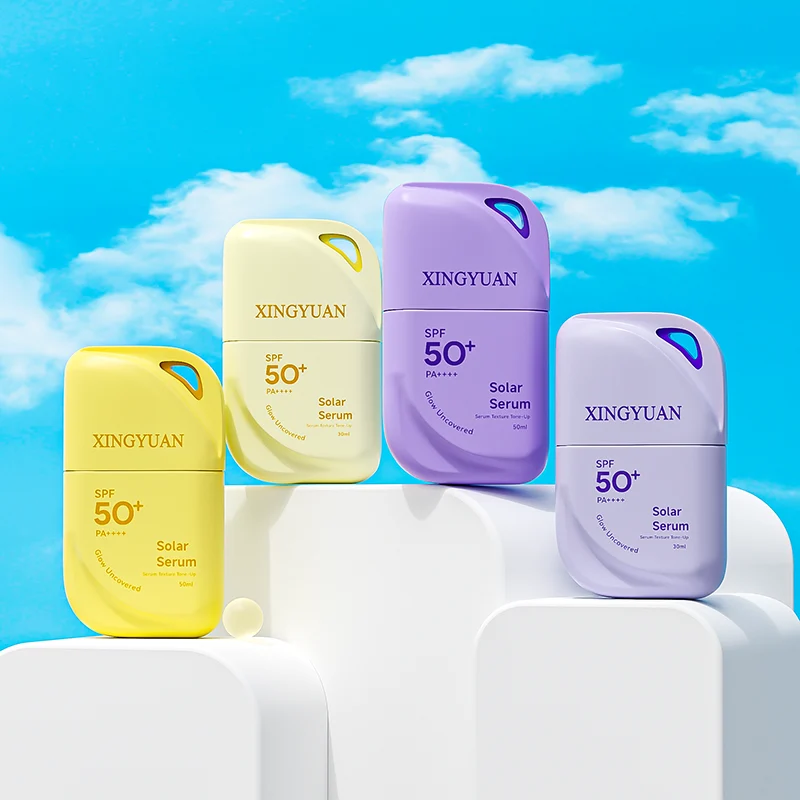
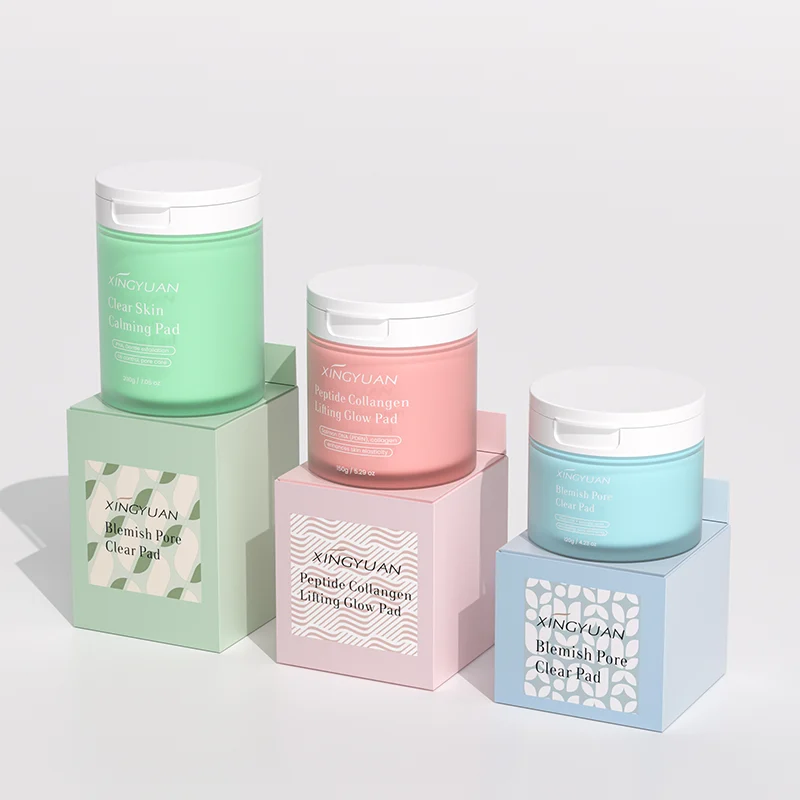
Check whether the supplier regularly produces products such as:
- Lotion bottles
- Serum bottles
- Airless bottles
- Cream jars
- Tubes
- Dropper bottles
- Glass cosmetic bottles
- Pumps and closures
Also check the materials available.
For example:
- PP
- PE
- PET
- Acrylic
- Glass
- PCR plastic
A supplier with a broad packaging portfolio may be able to support your brand as your product range grows.
2. Is the Supplier a Manufacturer or a Trading Company?
You should understand who you are actually buying from.
Ask directly:
Are you the manufacturer or a trading company?
If the company is a manufacturer, ask:
- Where is the factory?
- What products are manufactured in-house?
- Which processes are outsourced?
- Do you have your own molds?
- Do you have your own decoration facilities?
- Where does assembly take place?
A trading company is not automatically a bad choice.
Some trading companies have strong sourcing and project-management capabilities.
The important thing is transparency.
You should know who controls:
Production + Quality + Communication + Delivery
3. How Much Cosmetic Packaging Manufacturing Experience Does the Supplier Have?
Experience matters, particularly for customized packaging.
Ask how long the supplier has been working with cosmetic packaging.
Then look for experience with projects similar to yours.
For example, if you need an airless skincare bottle, ask whether the supplier regularly produces airless packaging.
If you need premium decoration, ask for examples of:
- Spray coating
- Electroplating
- Silk printing
- Hot stamping
A supplier that understands your specific packaging type can often identify potential problems earlier.
4. Can the Supplier Provide Physical Samples?
Always request samples before placing a bulk order.
Do not rely entirely on:
- Website photos
- Catalog images
- 3D renderings
- Videos
A physical sample allows you to evaluate:
- Size
- Weight
- Shape
- Color
- Surface finish
- Cap fit
- Pump performance
- Printing
- Assembly
- Overall appearance
For custom packaging, sample approval becomes even more important.
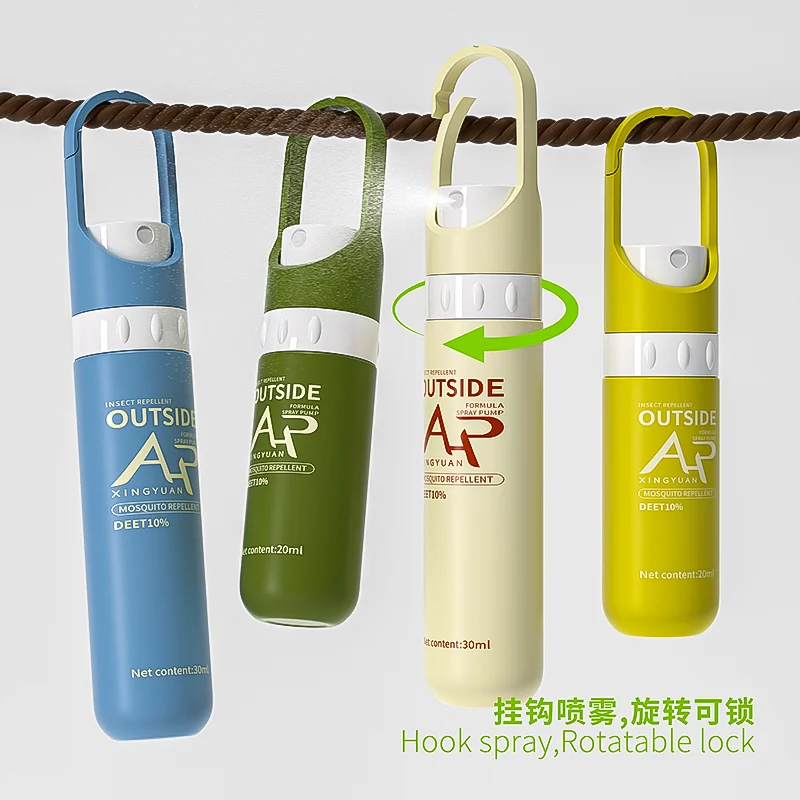
Your approved sample should eventually become a production reference.
5. Does the Supplier Have a Reliable Quality-Control System?
A professional supplier should have a defined QC process.
Ask:
How do you inspect cosmetic packaging before shipment?
Depending on the product, quality checks may include:
Appearance
Check for:
- Scratches
- Black spots
- Bubbles
- Deformation
- Color variation
- Surface defects
Dimensions
Check:
- Height
- Diameter
- Neck dimensions
- Thread
- Wall thickness
- Component fit
Function
Check:
- Pump operation
- Dispensing volume
- Dropper performance
- Cap closure
- Leakage
Decoration
Check:
- Printing position
- Color
- Adhesion
- Hot stamping
- Coating consistency
A supplier should be able to explain how these checks are performed.
6. Does the Supplier Offer Material Documentation?
Material information is important when sourcing cosmetic packaging.
Ask the supplier for relevant documentation, such as:
- Material specifications
- Resin information
- Technical data
- Recycled-content documentation
- Test reports
- Compliance documents
If you are considering PCR plastic, ask:
What percentage of the package is PCR?
Also ask whether the supplier can provide supporting documentation. Do not make sustainability claims based only on a verbal statement.
7. Can the Supplier Support OEM and ODM Packaging?
If you want to build a long-term relationship, check the supplier’s customization capabilities.
ODM
You select an existing packaging design and customize elements such as:
- Color
- Logo
- Finish
- Printing
- Hot stamping
- Cap
- Other components
OEM
You develop packaging according to your own requirements or create a new structure.
This may involve:
Design → Engineering → Mold Development → Prototype → Testing → Production
If your brand expects to develop proprietary packaging in the future, choosing a supplier with both OEM and ODM capabilities can make the transition easier.
8. Can the Supplier Develop Custom Molds?
If your packaging needs a unique shape, ask about mold development.
Questions to ask include:
- Do you develop molds in-house?
- Who designs the mold?
- What is the mold cost?
- How long does development take?
- How many prototype rounds are included?
- Who owns the mold?
- Can the mold be transferred if necessary?
- How is the mold maintained?
Do not assume that paying a mold fee automatically means you own the mold.
Make the ownership terms explicit in the agreement.
9. What Is the MOQ?
MOQ means Minimum Order Quantity.
It can have a major effect on your purchasing decision.
Ask for MOQ for:
- Standard packaging
- Custom colors
- Custom decoration
- Custom molds
- Special materials
- Different components
Standard packaging may allow a lower starting quantity.
Custom packaging may require a larger order.
Do not look at MOQ in isolation.
Compare it with your expected sales volume and inventory capacity.
10. How Is the Cosmetic Packaging Priced?
A supplier’s quoted unit price is only one part of the cost.
Ask whether the quotation includes:
- Bottle
- Cap
- Pump
- Inner components
- Decoration
- Assembly
- Individual packaging
- Cartons
Also ask about additional costs for:
- Mold
- Sampling
- Color matching
- Printing setup
- Special decoration
For international orders, remember to include:
Product Cost + Tooling + Decoration + Packaging + Freight + Duties/Taxes + Other Import Costs
This is your approximate landed cost.
Cosmetic Packaging Cost Breakdown
11. Can the Supplier Meet Your Required Lead Time?
A low price is not useful if the packaging arrives after your product launch.
Ask for separate timelines for:
- Sample development
- Decoration sampling
- Mold development
- Mass production
- Assembly
- Shipping
For standard packaging, the process may be relatively straightforward.
For custom packaging, allow time for:
Design → Mold → Prototype → Testing → Modification → Approval → Production
Also consider potential delays from:
- Peak production periods
- Chinese holidays
- Port congestion
- International shipping
Always leave some schedule buffer.
12. Can the Supplier Provide the Required Decoration?
Your packaging design may depend heavily on surface treatment.
Ask whether the supplier can provide:
- Spray coating
- Electroplating
- Silk printing
- Hot stamping
- Frosted finishes
- Glossy finishes
- Matte finishes
- Metallic effects
You should also ask:
Are these processes completed in-house or outsourced?
Outsourcing is not necessarily a problem. But you should know who is responsible for final quality control. Decoration can significantly affect both appearance and cost, so approve physical decoration samples before mass production.
13. Does the Supplier Have International Export Experience?
If you are buying from China, international logistics experience can make the sourcing process easier.
Ask whether the supplier regularly exports to your target market.
For example:
- USA
- Europe
- Australia
Also ask about:
- Export documentation
- Carton specifications
- Shipping options
- Incoterms
- Palletization
- Freight coordination
Common Incoterms include:
- EXW
- FOB
- CIF
- DAP
- DDP
Make sure you understand exactly what is included in the supplier’s quotation.
14. Can the Supplier Support Testing and Compliance?
Packaging should be tested according to the needs of your project.
Potential checks include:
- Leakage testing
- Drop testing
- Torque testing
- Pump testing
- Compatibility testing
- Decoration adhesion
- Dimensional inspection
You should also ask what documentation is available for the materials and packaging.
For products entering the USA, Europe, or Australia, your finished cosmetic product may be subject to market-specific regulatory requirements.
Packaging requirements should therefore be considered together with the finished product.
[Internal Link: Cosmetic Packaging Regulations Explained]
[Internal Link: Cosmetic Packaging Testing Standards]
15. How Does the Supplier Communicate?
This is easy to underestimate.
But communication can directly affect your project.
A good supplier should be able to answer questions clearly about:
- Specifications
- Pricing
- MOQ
- Samples
- Production
- Quality
- Shipping
Pay attention to how they respond during the quotation stage.
Do they:
- Answer your actual questions?
- Provide complete information?
- Explain technical limitations?
- Communicate delays early?
- Keep records of specifications?
If communication is difficult before you place an order, it may become more difficult during mass production.
Cosmetic Packaging Supplier Checklist: Quick Scorecard
You can use this table when comparing several suppliers.
| Supplier Check | Supplier A | Supplier B | Supplier C |
| Product Range | ☐ | ☐ | ☐ |
| Factory Verification | ☐ | ☐ | ☐ |
| Cosmetic Packaging Experience | ☐ | ☐ | ☐ |
| Physical Samples | ☐ | ☐ | ☐ |
| QC System | ☐ | ☐ | ☐ |
| Material Documentation | ☐ | ☐ | ☐ |
| OEM/ODM Capability | ☐ | ☐ | ☐ |
| Custom Mold Development | ☐ | ☐ | ☐ |
| MOQ | ☐ | ☐ | ☐ |
| Unit Price | ☐ | ☐ | ☐ |
| Decoration Options | ☐ | ☐ | ☐ |
| Lead Time | ☐ | ☐ | ☐ |
| Export Experience | ☐ | ☐ | ☐ |
| Testing Support | ☐ | ☐ | ☐ |
| Communication | ☐ | ☐ | ☐ |
I recommend scoring suppliers based on the entire checklist rather than choosing the company with the lowest quotation.
What Should You Ask a Cosmetic Packaging Supplier Before Ordering?
Here is a practical list you can copy into your supplier communication.
Product
- What packaging types do you manufacture?
- What materials are available?
- What capacities are available?
- Can you provide technical drawings?
Customization
- Can you customize the color?
- Can you customize the decoration?
- Can you customize the cap?
- Can you develop a custom mold?
- Can you support OEM/ODM?
Quality
- What is your QC process?
- What tests are performed?
- Can you provide inspection reports?
- Can you provide samples?
Commercial
- What is the MOQ?
- What is the unit price?
- What is the tooling cost?
- What are the sampling costs?
- What are the payment terms?
Production
- What is the lead time?
- What is the production capacity?
- Where is the packaging manufactured?
- Which processes are outsourced?
Logistics
- What Incoterms do you offer?
- Can you arrange export shipping?
- How are products packed?
- What is the carton size and weight?
Ownership
- Who owns the mold?
- Who owns the custom design?
- Can the mold be transferred?
These questions will help you turn a vague supplier conversation into a structured sourcing evaluation.
What Are the Biggest Red Flags When Choosing a Supplier?
A supplier does not need to be perfect.
But certain warning signs deserve attention.
Red Flag 1: Extremely Low Pricing
A very low price may indicate differences in:
- Material
- Weight
- Decoration
- Components
- QC
- Packaging
Compare specifications, not just numbers.
Red Flag 2: No Physical Samples
Be cautious if a supplier expects you to place a bulk order without evaluating samples.
Red Flag 3: Vague Answers
If the supplier cannot clearly explain MOQ, lead time, material, or quality standards, ask more questions before proceeding.
Red Flag 4: Unclear Mold Ownership
This can become a major issue for custom packaging.
Red Flag 5: No Clear QC Process
“Don’t worry, our quality is good” is not a quality-control system.
Ask for actual procedures.
Red Flag 6: Unclear Production Location
Know where your packaging is manufactured.
Red Flag 7: Poor Communication
A supplier that regularly misses details during sampling may create bigger problems during mass production.
Should You Choose a Supplier Based on Price?
No. Price should be one factor, not the deciding factor.
Imagine two suppliers.
Supplier A:
- $0.25 per bottle
- Higher defect rate
- Limited decoration
- Long lead time
Supplier B:
- $0.30 per bottle
- Better QC
- More reliable delivery
- Complete decoration service
Supplier B may actually provide a lower total business cost.
Quality problems can result in:
- Rework
- Replacements
- Delayed launches
- Lost sales
- Customer complaints
- Additional shipping costs
The cheapest quote is not necessarily the cheapest solution.
How Many Cosmetic Packaging Suppliers Should You Compare?
For a new project, I recommend creating a shortlist of several qualified suppliers. You can initially compare: 5–10 suppliers. Then narrow the list to approximately: 2–4 serious candidates. Request samples and detailed quotations from those suppliers.
This gives you enough comparison without creating unnecessary complexity.
Should You Test a Supplier With a Small Order First?
When practical, a smaller initial order can be useful.
It allows you to evaluate:
- Product quality
- Packaging consistency
- Communication
- Production reliability
- Shipping performance
However, MOQ and custom tooling requirements may make small trial orders impractical for some projects.
For custom packaging, thorough sampling and inspection before mass production become particularly important.
What Is a Good Cosmetic Packaging Supplier?
A good supplier should provide more than products.
I would look for a partner that can provide:
Product Knowledge + Engineering + Manufacturing + Decoration + QC + Logistics + Communication
For a growing beauty brand, this becomes even more important.
Your first product may need only a standard serum bottle.
Later, you may need:
- Custom airless packaging
- New molds
- Multiple capacities
- Premium decoration
- Sustainable materials
- Different packaging for different markets
A supplier that can support this development can become a long-term packaging partner.
How Can Comaypack Fit This Supplier Checklist?
At Comaypack, we support beauty brands looking for cosmetic packaging solutions from standard products through OEM/ODM development.
Our core product range includes:
- Plastic lotion bottles
- Serum bottles
- Airless bottles
- Cream jars
- Other skincare packaging
We also provide customization services including:
- OEM/ODM development
- Mold development
- Spray coating
- Electroplating
- Silk printing
- Hot stamping
- Assembly
- Packaging solutions
For international customers, we have experience serving markets including the:
- USA
- Europe
- Australia
This allows us to support the sourcing process beyond simply supplying containers.
Depending on your project, we can help with:
Packaging Selection → Customization → Sampling → Mold Development → Production → Quality Control → Export
If you are comparing cosmetic packaging suppliers, send us your requirements and use this checklist to evaluate us alongside your other candidates.
Cosmetic Packaging Supplier Checklist FAQs
What should I look for in a cosmetic packaging supplier?
Look at product capability, manufacturing experience, samples, quality control, materials, customization, MOQ, pricing, lead time, certifications, mold ownership, communication, export experience, and after-sales support.
How do I know if a cosmetic packaging supplier is reliable?
Request physical samples, verify manufacturing capabilities, review QC procedures, check relevant documentation, evaluate communication, and consider a factory audit or third-party inspection for larger projects.
Should I choose a cosmetic packaging factory or trading company?
Either can work. The important factors are product expertise, quality management, communication, pricing, reliability, and the ability to meet your project requirements.
What MOQ should I expect from a cosmetic packaging supplier?
MOQ varies by product, material, decoration, and whether you use an existing or custom mold. Standard packaging generally offers more flexibility, while custom packaging may require higher quantities.
Should I request samples before placing a cosmetic packaging order?
Yes. Physical samples allow you to evaluate dimensions, material, appearance, functionality, decoration, and component fit before committing to mass production.
What certifications should a cosmetic packaging supplier have?
The appropriate documentation depends on the packaging material, product, and target market. Potential documents can include ISO certifications, material specifications, test reports, and recycled-content documentation where relevant.
How do I compare cosmetic packaging supplier quotes?
Compare the complete cost, including unit price, tooling, decoration, assembly, packaging, freight, duties, and other import expenses. Also compare MOQ, quality, lead time, and service.
How important is mold ownership?
It is very important for custom packaging. If you invest in a custom mold, clearly define ownership, usage rights, storage, maintenance, and transfer conditions in your agreement.
Can a cosmetic packaging supplier help with custom molds?
Yes. Suppliers with OEM capabilities may support packaging engineering, custom mold development, prototypes, testing, and mass production.
What cosmetic packaging products should a supplier offer?
Depending on your business needs, a supplier may offer lotion bottles, serum bottles, airless bottles, cream jars, tubes, droppers, glass bottles, pumps, and other skincare packaging components.
Conclusion
The best cosmetic packaging supplier is not necessarily the one with the lowest price. Before placing an order, evaluate product capability, samples, QC, materials, customization, MOQ, total cost, lead time, certifications, mold ownership, communication, and export experience. A reliable supplier should be able to provide consistent quality and practical support throughout your packaging project.
Use this checklist before choosing your next supplier:
☐ Product Capability
☐ Factory/Company Verification
☐ Samples
☐ Quality Control
☐ Materials
☐ OEM/ODM
☐ Mold Development
☐ MOQ
☐ Total Cost
☐ Decoration
☐ Lead Time
☐ Certifications
☐ Export Experience
☐ Communication
☐ After-Sales Support
If a supplier passes most of these checks, you can move forward with much greater confidence.
At Comaypack, we support cosmetic brands with plastic bottles, serum bottles, airless packaging, cream jars, OEM/ODM development, custom mold development, surface treatment, assembly, and international export.