
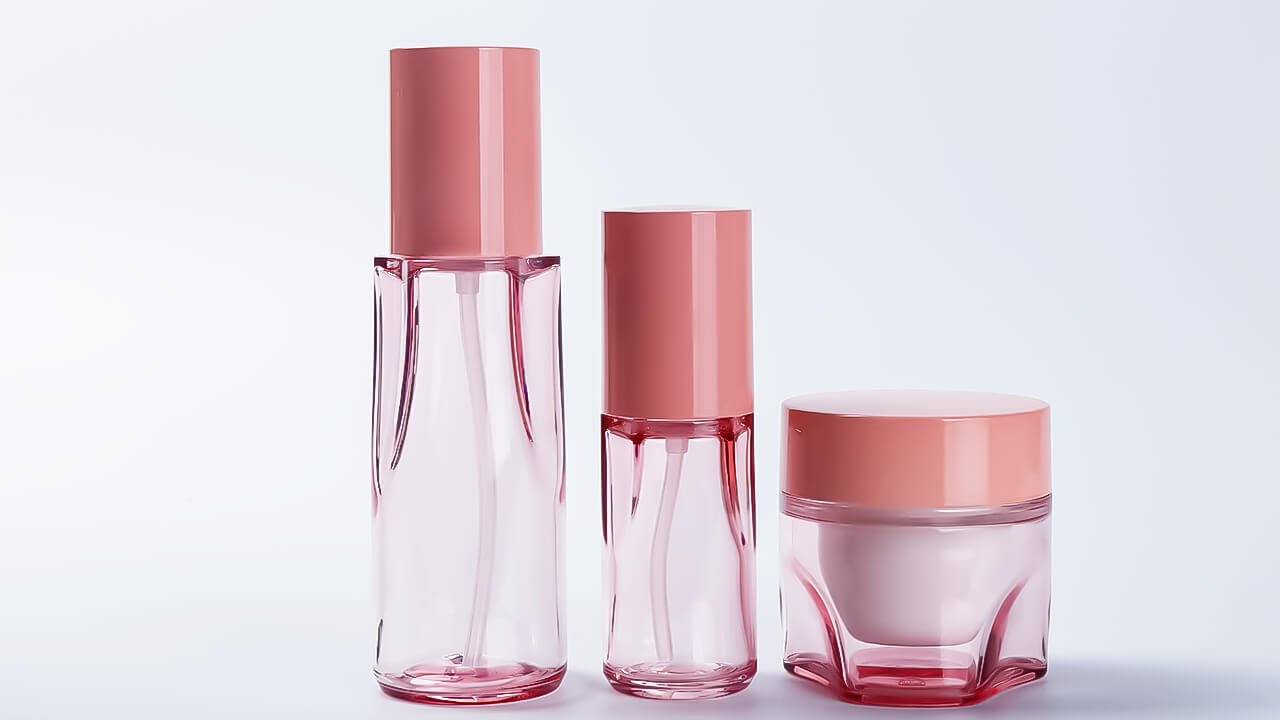
In cosmetic packaging development, material selection is no longer a purely technical decision. It directly influences brand positioning, product perception, logistics efficiency, and sustainability performance. Among modern plastic materials, PET cosmetic bottle and PETG cosmetic bottle are two of the most commonly used options, especially in skincare, haircare, and personal care packaging systems.
Although they belong to the same polyester family, PET and PETG serve very different commercial and functional roles. One is optimized for scalability and cost efficiency, while the other is designed for premium aesthetics and enhanced durability. Understanding their differences is essential for product managers, designers, and procurement teams making packaging decisions at scale.
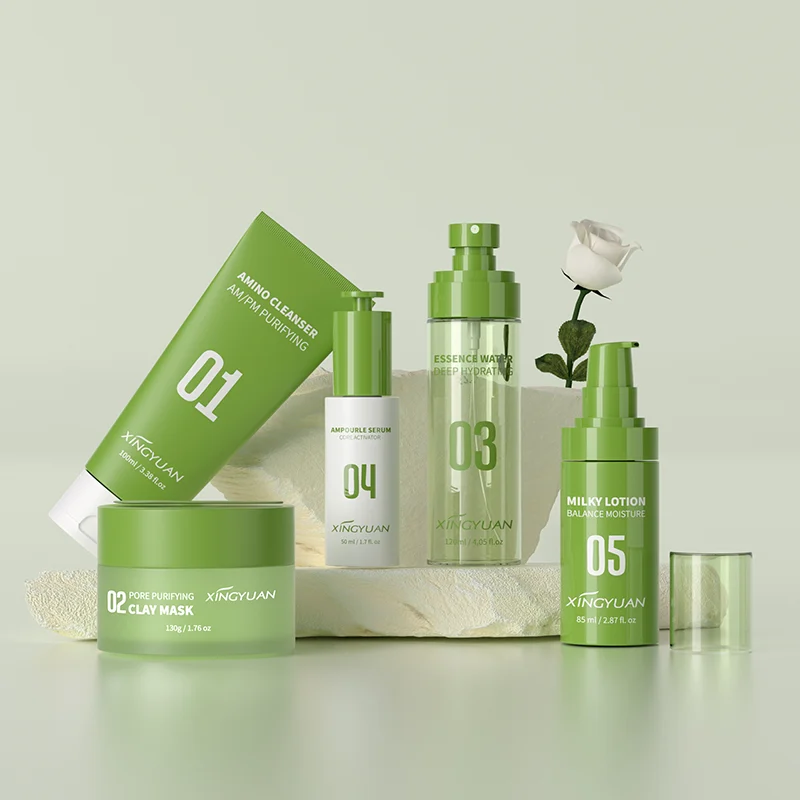
PET is a cost-efficient, highly recyclable packaging material widely used for mass-market cosmetic products such as cleansers, shampoos, and lotions. PETG offers superior clarity, impact resistance, and a glass-like appearance, making it more suitable for premium skincare and design-focused cosmetic packaging. The optimal choice depends on brand positioning, formulation requirements, logistics strategy, and sustainability goals.
PET and PETG in Cosmetic Packaging: Material Overview
PET (Polyethylene Terephthalate) is one of the most established packaging plastics globally. It is widely adopted due to its balance of transparency, strength, low cost, and mature recycling infrastructure. In cosmetics, PET is typically used for high-volume products such as facial cleansers, body washes, and shampoos.
Its key advantage lies in scalability. PET integrates seamlessly into large-scale production systems, making it a preferred material for multinational brands with global distribution networks.
PETG (Polyethylene Terephthalate Glycol-modified), on the other hand, is a modified polyester designed to improve clarity, toughness, and chemical resistance. Its most notable feature is its glass-like transparency combined with shatterproof performance.
Because of this, PETG is increasingly used in skincare packaging where visual presentation plays a critical role in consumer perception.
Brands in the clean beauty and premium skincare segment often adopt PETG to achieve a more elevated visual identity without the fragility of glass.
👉 Internal link suggestion:
Anchor text: cosmetic packaging materials → Materials overview page
PET vs PETG: Engineering and Commercial Comparison
To better understand their differences, it is useful to compare PET and PETG across functional and commercial dimensions.
| Dimension | PET | PETG |
| Transparency | High, but standard plastic appearance | Ultra-clear, glass-like finish |
| Brand Positioning | Mass-market, functional | Premium, luxury-oriented |
| Impact Resistance | Moderate | Very high (shatter-resistant) |
| Chemical Resistance | Good | Stronger for active formulations |
| Cost Level | Low | Medium to high |
| Recycling System | Well established globally | Limited in some regions |
| E-commerce Performance | Good | Excellent (low breakage risk) |
Why PET Remains the Dominant Material in Mass Market Packaging
Despite the rise of PETG, PET continues to dominate global cosmetic packaging due to its cost structure and supply chain maturity.
Large-scale brands prioritize consistency, speed, and cost efficiency. PET allows them to maintain stable packaging across multiple regions while keeping production costs under control.
For example, mass skincare brands such as CeraVe and Cetaphil rely heavily on PET bottles for their cleansers and moisturizers. Their packaging strategy is not driven by luxury aesthetics but by accessibility, clinical positioning, and affordability.
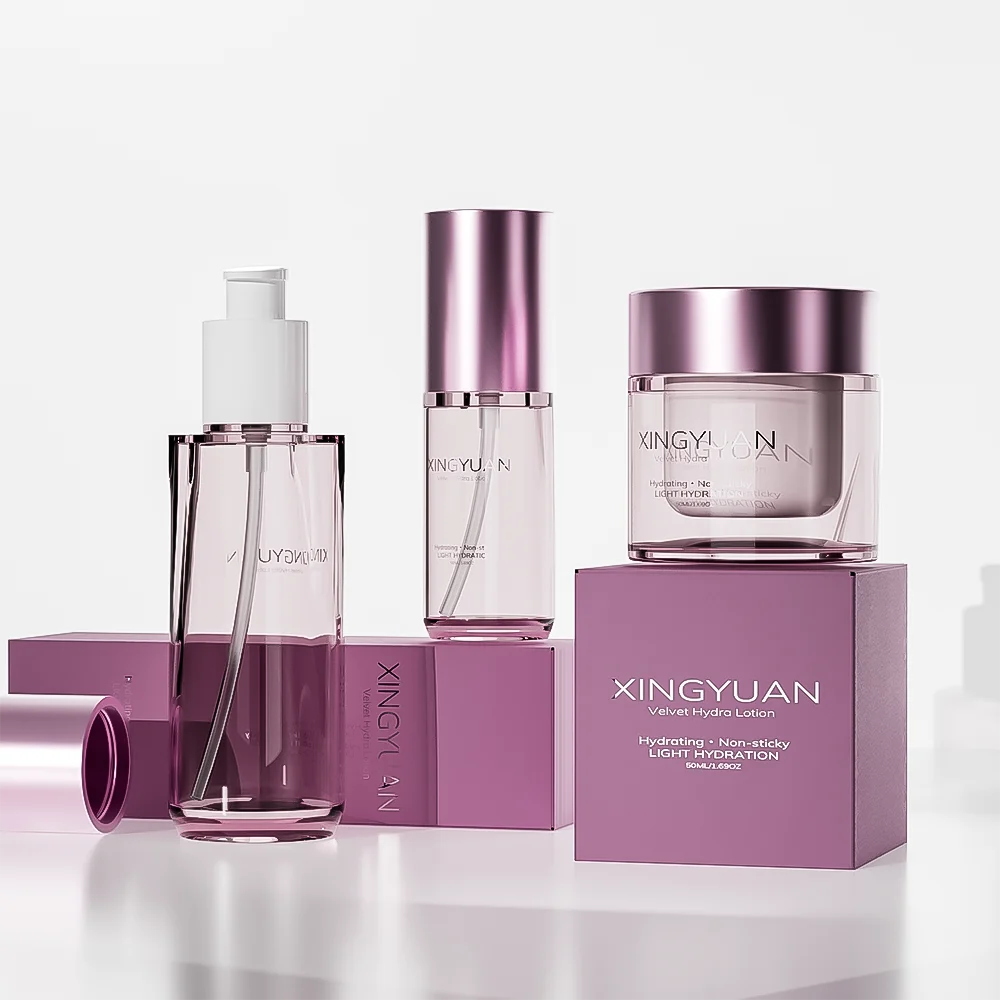
In this context, PET performs exceptionally well because it supports:
- high-speed production
- low unit cost
- stable global sourcing
- efficient logistics
For procurement teams, PET remains the safest choice when volume and cost control are top priorities.
Why PETG Is Replacing Glass in Premium Cosmetic Packaging
Traditionally, glass was the default material for luxury skincare packaging. However, the rise of e-commerce and global logistics has exposed its limitations, particularly in terms of weight and breakability.
PETG has emerged as a practical alternative because it preserves the premium appearance of glass while solving operational challenges.
For example, brands such as Glow Recipe and Fenty Skin use highly transparent PETG packaging to enhance product visibility while ensuring durability during shipping. The material supports modern aesthetic trends such as:
- minimalist design
- gradient coloring
- soft-touch finishes
- high-clarity product display
This allows brands to communicate luxury and modernity without relying on fragile materials.
From a commercial perspective, PETG helps brands reduce breakage rates, improve customer experience, and enhance shelf impact in competitive retail environments.
👉 Internal link suggestion:
Anchor text: PETG cosmetic packaging bottles → PETG product page
Performance in Real-World Applications
Material performance becomes more meaningful when evaluated in actual use scenarios.
PET performs reliably in standard cosmetic applications such as shampoos, body washes, and basic skincare. It offers sufficient chemical resistance for water-based formulations and is stable under typical storage conditions.
However, PETG performs better in more demanding environments, particularly in:
- travel packaging
- e-commerce distribution
- premium skincare products
- alcohol-based formulations
Its higher impact resistance significantly reduces breakage during transportation, which is increasingly important in global online retail.
For sensitive formulations such as vitamin-rich serums, neither PET nor PETG fully replaces glass. Many brands therefore adopt hybrid packaging strategies depending on product sensitivity.
Sustainability: A More Complex Decision Than It Appears
Sustainability is often oversimplified in packaging discussions. In reality, environmental performance depends on the full lifecycle of the material rather than recyclability alone.
PET benefits from one of the most developed recycling infrastructures in the world. It is widely collected, sorted, and reused in many regions, making it a strong candidate for circular packaging systems.
This is why many global brands are shifting toward PCR PET (Post-Consumer Recycled PET) to reduce virgin plastic usage.
PETG, however, presents a more complex recycling profile. Although technically recyclable, it is not always compatible with standard PET recycling streams, which can limit recovery efficiency in certain markets.
At the same time, PETG contributes to sustainability in other ways:
- reduced transportation emissions due to lower weight
- lower product loss due to breakage
- compatibility with refillable packaging systems
As a result, many sustainability strategies now focus on total carbon footprint, not just material recyclability.
👉 Internal link suggestion:
Anchor text: sustainable cosmetic packaging solutions → Sustainability page
How Cosmetic Brands Should Make the Right Choice
Rather than treating PET and PETG as competing materials, leading brands evaluate them as part of a broader packaging system.
A practical decision framework includes:
- Brand positioning: luxury vs mass market
- Product sensitivity: stability requirements of the formula
- Logistics model: retail vs e-commerce distribution
- Sustainability target: recyclability vs carbon reduction
- Budget structure: unit cost vs lifecycle value
In most real-world cases, brands do not choose only one material. Instead, they build a layered packaging strategy.
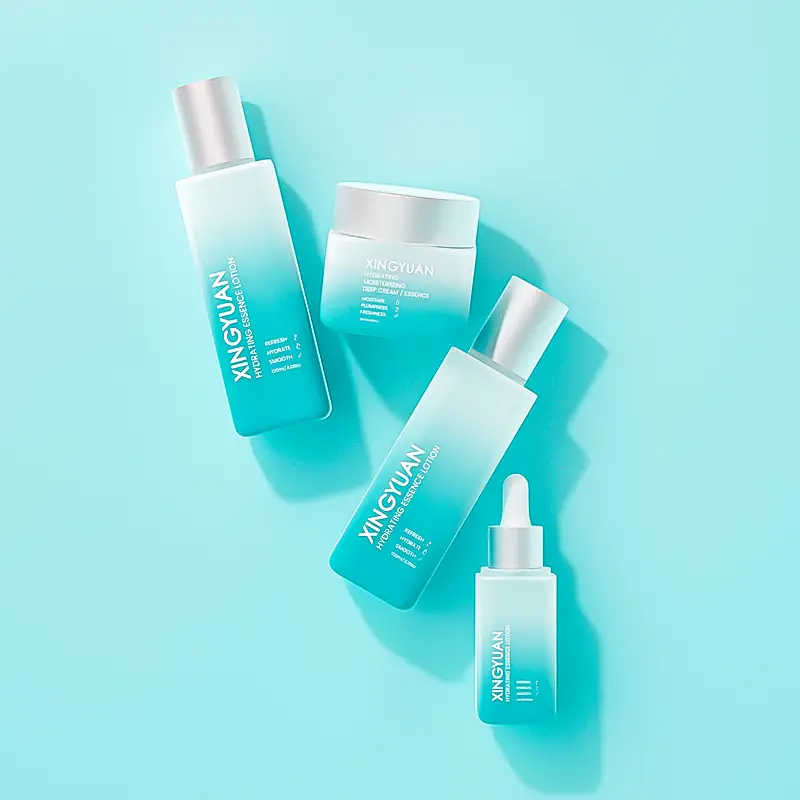
For example:
- PET for high-volume daily skincare
- PETG for hero or premium product lines
- glass for active or luxury formulations
- refill systems for sustainability positioning
This approach allows brands to optimize both cost efficiency and consumer perception simultaneously.
Conclusion
PET and PETG serve different but equally important roles in modern cosmetic packaging. PET remains the backbone of scalable, cost-efficient, and recyclable packaging systems. PETG, meanwhile, has become a key material for brands seeking premium aesthetics, improved durability, and enhanced consumer experience.
The most effective packaging strategy is not about choosing the “best” material in isolation, but about aligning material properties with product strategy, brand identity, and operational requirements.
In today’s competitive beauty market, packaging is not just a container—it is a strategic business asset that influences perception, performance, and profitability.