
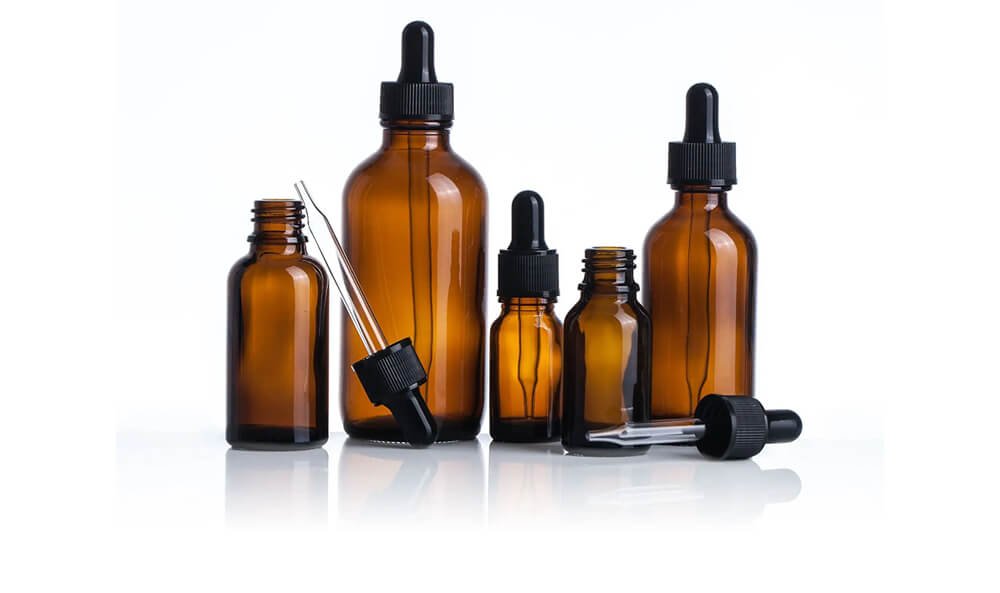
If you’ve ever tried blending essential oils, you’ve probably wondered: how many drops are in a 30ml bottle? The answer seems simple—until you realize it’s not. From droppers to oil thickness, many factors change the count. Let’s break it down together, with a few lessons I’ve learned firsthand.
A 30ml essential oil bottle typically contains between 450 and 900 drops. The exact number depends on the dropper type, viscosity of the oil, and temperature. Most experts estimate that 1ml equals about 20 drops, which means a 30ml bottle averages around 600 drops. Lighter oils like lemon or lavender yield more drops, while thicker ones like patchouli or sandalwood release fewer.
That wide range might surprise you—but it’s perfectly normal. Let’s explore why no two droppers are the same and how you can measure your oils more accurately every time.
1. How Many Drops Are in 30ml of Essential Oil?
When I first started mixing my own essential oil blends, I assumed every bottle would give me the same number of drops. Then I tested three different brands of 30ml bottles—and the results were all over the place.
One bottle gave me about 580 drops, another around 710, and the thick vetiver oil barely reached 450 drops. That’s when I realized: the question isn’t just how many drops are in 30ml—it’s what kind of drop you’re counting.
Here’s the general rule of thumb most aromatherapists use:
1ml ≈ 20 drops
So:
30ml × 20 = 600 drops (average)
But keep in mind: dropper design, orifice size, and even air pressure inside the bottle can slightly change this number.
2. Is 1 Drop Equal to 1ml?
This is one of the most common misconceptions. One drop is not equal to 1ml. In fact, according to pharmacy standards, 1 drop ≈ 0.05ml, meaning there are roughly 20 drops in 1ml.
Here’s a quick conversion chart I often reference when blending or designing formulas:
| Drops | Milliliters | Teaspoons | Ounces |
| 10 drops | 0.5 ml | 1/10 tsp | 0.02 oz |
| 20 drops | 1 ml | 1/5 tsp | 0.03 oz |
| 100 drops | 5 ml | 1 tsp | 0.17 oz |
| 300 drops | 15 ml | 3 tsp | 0.5 oz |
| 600 drops | 30 ml | 6 tsp | 1 oz |
When I prepare sample blends for clients, I often double-check by counting drops manually at least once. You’d be surprised how a slightly wider dropper tip can change a formula’s strength!
3. How Many Drops Are in Different Bottle Sizes?
Packaging designers often work with standardized bottle sizes: 5ml, 10ml, 15ml, and 30ml. Here’s a reference guide based on the same 20-drops-per-ml average:
| Bottle Size | Approximate Drops |
| 5ml | 100 drops |
| 10ml | 200 drops |
| 15ml | 300 drops |
| 30ml | 600 drops |
| 50ml | 1000 drops |
| 100ml | 2000 drops |
In practice, however, I’ve found thicker oils like myrrh or sandalwood yield closer to 15 drops per ml, while thinner oils like citrus or eucalyptus give 25 or more. So always adjust by observing how your oil behaves.
4. How Dropper Bottle Design Affects Drop Count
As someone who’s experimented with dozens of dropper bottles, I can tell you—design matters more than you might think.
Factors that affect drop count:
- Dropper nozzle diameter: A larger orifice releases bigger drops, reducing total drop count.
- Material: Glass droppers release smoother, heavier drops; plastic orifices create smaller, lighter drops.
- Oil viscosity: Thicker oils flow slower and form larger drops.
- Temperature: Warm oils flow faster, producing smaller drops.
When I switched from a narrow plastic reducer to a glass pipette dropper, my average went from 600 to 520 drops per bottle. For packaging designers, this is crucial: consistent droplet flow ensures accurate dosing and a better user experience.
5. How Many Drops of Essential Oil per 30ml of Carrier Oil
If you’re blending essential oils for the skin, accuracy is everything. Too many drops can irritate the skin; too few, and you’ll lose the effect.
Here’s a quick dilution chart I use:
| Dilution Rate | Purpose | Drops of Essential Oil (per 30ml carrier oil) |
| 1% | Face / Sensitive skin | 6 drops |
| 2% | Everyday body use | 12 drops |
| 3% | Massage oil | 18 drops |
| 5% | Short-term therapeutic use | 30 drops |
| 10% | Spot treatment (not daily use) | 60 drops |
When I make facial blends, I stay within 1–2%. I once made a lavender face oil at 4%, thinking “more scent = more benefit.” It was too strong and caused redness. Lesson learned: gentler is often better.
6. How Many Drops Are in 30ml Essential Oil for Skin or Face
For skincare products, precision matters even more. Facial skin is thinner and more sensitive, so 30ml blends should follow safe dilution guidelines.
If you’re designing for the face, limit to 6–12 drops total of essential oil per 30ml carrier oil.
If you’re designing for body blends, 18–30 drops is usually ideal.
Also, consider oil type:
- Light oils (lavender, frankincense): absorb easily, more drops per ml.
- Heavy oils (sandalwood, vetiver): fewer drops, slower absorption.
When I first began creating my own facial serums, I tested drop counts using both dropper bottles and roller bottles. I learned that dropper bottles gave me more control—especially when I was counting each drop to match formulas exactly.
7. Practical Reuse Tips for Dropper Bottles
After all the measuring and blending, you’ll probably have a few empty dropper bottles lying around. Don’t toss them out—they’re too valuable!
Here’s how I reuse mine:
- Clean thoroughly — remove labels, soak in warm soapy water for 15 minutes.
- Rinse with vinegar — 3:1 water-vinegar mix sanitizes the glass.
- Air dry upside down — to prevent bacterial growth.
- Reuse creatively — refill with carrier oils, DIY serums, or natural perfumes.
I’ve been reusing the same set of amber 30ml bottles for over two years. Not only does it save money, but it also keeps my workspace organized and eco-friendly.
8. Why Drop Size and Measurement Accuracy Matter
Whether you’re blending oils at home or designing packaging for a product line, consistent drop size means consistent results. Consumers expect every drop to feel the same. Designers, on the other hand, need to ensure the bottle delivers that precision.
When I advise small cosmetic brands, I often recommend testing droppers with water first—it helps calibrate drop rate and ensures accurate labeling later. A good dropper bottle isn’t just packaging; it’s a precision tool.
Summary
A 30ml essential oil bottle holds roughly 450–900 drops, averaging about 600 drops. Drop count varies by oil type, temperature, and bottle design. Measure carefully, dilute safely, and reuse dropper bottles mindfully. Whether you’re a DIY blender or designer, accuracy and sustainability go hand in hand.