
A Guide for Cosmetic Brands and Packaging Designers
Every skincare product has a lifespan—but few consumers (and even some brands) fully understand it. As cosmetic designers and brand owners, knowing how long products last and what shortens their shelf life isn’t just compliance—it’s a design responsibility that affects safety, sustainability, and customer trust.
Most skincare products last between 6 months and 36 months, depending on formulation, packaging, and storage conditions. Unopened items usually remain stable for up to three years, while opened ones typically expire within 6–12 months. Heat, humidity, and exposure to air accelerate spoilage. Properly sealed containers, such as airless pumps or dual-chamber bottles, can significantly extend product longevity by limiting oxidation and bacterial contamination. Always check the expiration or PAO (Period After Opening) symbol before use.
Understanding expiration timelines isn’t just consumer education—it’s product engineering. Let’s explore how formulation, packaging design, and regulations come together to determine a skincare product’s true shelf life.
What Determines the Shelf Life of Skincare Products?
Several factors define how long a product remains safe and effective:
- Formulation Stability: Water-based products are more prone to bacterial growth than oil-based ones.
- Preservative Systems: The type and concentration of preservatives directly affect microbial resistance.
- Environmental Exposure: Light, air, and temperature changes cause oxidation and separation.
- Packaging Design: Every exposure event (opening a jar, pumping a bottle) changes the product’s environment.
For packaging designers, this is a crucial collaboration point with chemists during stability testing.
How Long Do Different Types of Skincare Products Last?
The shelf life of skincare varies by category and packaging.
| Product Type | Typical Shelf Life (Unopened) | After Opening |
| Cleansers | 24–36 months | 6–12 months |
| Serums | 12–24 months | 6–9 months |
| Moisturizers | 24–36 months | 6–12 months |
| Sunscreens | As printed | Until expiration |
| Eye Creams | 12–24 months | 6–12 months |
| Oils | 18–24 months | 12 months |
Brands like Paula’s Choice and Byrdie note that even unopened products can lose potency if stored improperly.
Do Skincare Products Expire If Not Opened?
Yes—though unopened products last longer, they still degrade slowly over time.
Most formulations stay stable for up to 3 years, provided they are stored in a cool, dark environment and the seal remains intact.
For brands, indicating “best before” dates alongside batch codes helps manage stock rotation and consumer transparency—especially important for global exports subject to EU and FDA regulations.
How to Check the Expiration Date on Skincare
Consumers often look for a PAO (Period After Opening) symbol—a small open-jar icon with a number (like 12M for twelve months).
In the EU, this is required under Regulation (EC) No 1223/2009 for products lasting more than 30 months.
The U.S. FDA does not mandate this symbol but encourages clear expiration labeling for safety-sensitive products such as sunscreens and acne treatments.
🔗 Example reference: EU Cosmetics Regulation 1223/2009
Can You Use Skincare After It Expires?
Expired products can harbor bacteria, lose efficacy, and cause irritation.
Water-based creams may separate; serums containing actives like vitamin C or acids may oxidize, leading to reduced benefits—or even mild skin reactions.When in doubt, brands should communicate “dispose after X months” directly on packaging to minimize misuse.
Keywords to integrate: “how long can you use skincare after expiration date” and “can I use expired skincare on my body.”
What Happens to Active Ingredients Over Time?
The potency of active ingredients declines as they oxidize or break down:
- Vitamin C (ascorbic acid): Turns brown, loses brightening power.
- Retinol: Degrades with light exposure; encapsulation or opaque packaging extends its life.
- Hyaluronic Acid: Becomes unstable in air; concentration can shift with evaporation.
Designers should match formulation needs to the right packaging technology.
Packaging Design and Storage: How They Affect Product Lifespan
Packaging plays a defining role in how long skincare products last before they expire. Let’s look at practical examples:
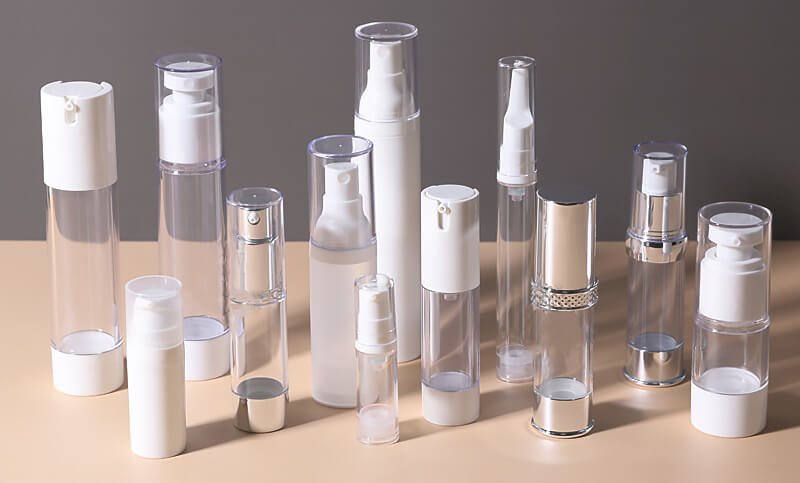
- Airless Pump Bottles: Prevent air exposure, reducing oxidation and bacterial contamination. Ideal for serums and creams with active ingredients.
- Dual-Chamber Bottles: Separate unstable ingredients (like vitamin C and peptides) until use, maximizing freshness.
- Opaque Containers: Protect formulas from UV degradation, crucial for retinol and antioxidant products.
- Screw-top Jars: Least protective—each opening exposes the formula to air, light, and bacteria.
As packaging designers, your material choice (PP, PETG, glass) and dispensing system directly impact shelf life and product safety.
🔗 Placeholder reference: Packaging Technologies That Extend Cosmetic Shelf Life
Regulatory Guidelines and Shelf Life Labeling
Regulations help standardize how brands communicate shelf life and safety.
- EU Cosmetics Regulation (EC) No 1223/2009: Requires PAO labeling and safety assessment of product stability.
- FDA (U.S.): Doesn’t require expiration dates except for SPF or drug-related cosmetics but expects evidence of safety and stability.
- ISO 29621: Outlines microbiological risk assessment for non-sterile cosmetics.
During stability testing, brands must simulate different conditions (heat, humidity, UV exposure) to predict product performance over time.
Practical Storage Tips for Consumers and Brands
Proper storage can add months of life to any skincare product:
- Keep away from direct sunlight and heat sources.
- Close caps tightly after use.
- Avoid bathroom humidity for extended storage.
- Use spatulas for jar creams to minimize contamination.
Brands can add icons or QR codes linking to “how to store” pages for better user education.
FAQs: Based on “People Also Ask” Data
Can I use 2-year-old serum?
Not recommended. Acids and actives such as hyaluronic acid or vitamin C degrade over time, becoming less effective and sometimes irritating. Dermatologists suggest discarding serums older than one year—even if unopened.
Can I use 2-year-old moisturizer?
If opened, throw it away after two years. Unopened moisturizers may last up to three years in proper storage. Once opened, repeated air exposure accelerates microbial growth and oxidation, shortening usability.
Summary
For cosmetic brands and designers, understanding product lifespan goes beyond compliance—it’s a commitment to consumer safety and performance. The right formula, packaging, and labeling can extend shelf life, reduce waste, and strengthen brand credibility. After all, good skincare starts with smart design and informed expiration control.