
The demand for organic skincare is skyrocketing as professionals face a dual challenge: consumers expect clean beauty with clinical performance. Yet, balancing formulation efficacy, ingredient sourcing, and sustainability is no easy feat. The solution lies in understanding which organic skincare products truly meet both ethical and scientific standards.
The best organic skincare products combine certified organic ingredients, proven results, and eco-conscious design. Brands like Badger, Refresh Botanicals, Pai Skincare, KORA Organics, and Tata Harper lead the field by offering effective, COSMOS- or Ecocert-certified formulations that avoid synthetic additives and pesticides. Their products deliver hydration, protection, and repair—without compromising sustainability or safety—making them the top choices for professionals redefining clean beauty.
Let’s explore why these products stand out in formulation science, sustainability practices, and brand credibility—offering insight for beauty professionals developing the next generation of clean skincare.
1. Is It Better to Use Organic Skin Care Products?
Organic skincare products cleanse, treat, and protect skin without artificial chemicals, parabens, or GMOs. They rely on bioactive plant ingredients—like rosehip oil, green tea, and algae—that nourish and strengthen the skin barrier.
For professionals, the appeal goes beyond “natural.” Organic formulations demonstrate higher consumer trust and lower regulatory risk, particularly in markets demanding transparent sourcing and cruelty-free standards. Ogee’s industry report confirms that clean formulations are now a baseline expectation, not a luxury.
2. How Organic Skincare Meets Market Demand and Clean Beauty Standards
Global organic skincare revenue is projected to exceed $25 billion by 2030, driven by Gen Z and millennial consumers prioritizing ethics and transparency. Industry analysts note that certification—COSMOS, Ecocert, or USDA Organic—has become a core marketing differentiator.
For brand managers, aligning with these standards ensures credibility and access to eco-conscious consumers. The “clean beauty” trend has evolved into a compliance and innovation mandate, influencing everything from packaging to ingredient selection.
3. Top 5 Organic Skin Care Brands Professionals Trust
1. Badger Face Mineral Sunscreen (SPF 30) – Best Overall
Badger’s non-nano zinc oxide formula offers mineral UV protection with 80% organic ingredients, including sunflower oil and vitamin E. It’s vegan, cruelty-free, reef-safe, and delivers a rare matte finish—a major plus for oily or combination skin types.
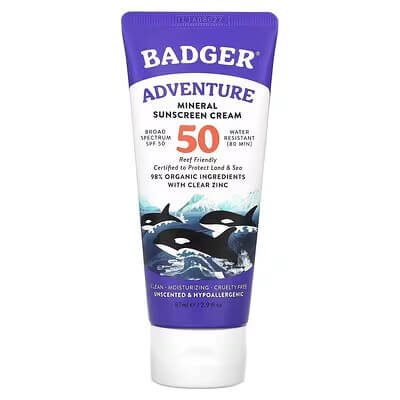
Why it matters: a model example of clean formulation that balances consumer safety and environmental responsibility.
Price: ~$22 | Certification: 80% organic | Best for: All skin types, sensitive users
2. Refresh Botanicals Fragrance-Free Facial Cleanser – Best Gentle Cleanser
A COSMOS-certified, fragrance-free cleanser that suits sensitive and reactive skin. Its cucumber and cornflower extracts gently remove impurities without stripping moisture, supported by glycerin and safflower oleosomes.
Professional insight: this minimalist formula exemplifies how “free from” design can coexist with hydration and microbiome safety.
Price: ~$20 | Certification: Ecocert Organic | Best for: Sensitive or barrier-compromised skin
3. Pai Rosehip Bioregenerate Face Oil – Best Organic Serum/Oil
This vegan, COSMOS Organic-certified oil is rich in omegas and antioxidants. It targets uneven tone, barrier repair, and texture refinement. Real-world reviewers praise its visible glow and tolerance for sensitive skin.
Why pros love it: Pai’s traceable supply chain and consistent composition make it ideal for benchmarking organic oil performance.
Price: $54 | Certification: COSMOS Organic | Best for: Night repair and long-term barrier support
4. KORA Organics Active Algae Lightweight Moisturizer – Best Daily Moisturizer
A climate-neutral, refillable formula combining green algae, alpine rose, and glacier water. It hydrates and balances oil without heavy silicone textures. With 13,000+ reviews on Sephora, it’s proof that sustainability can scale.
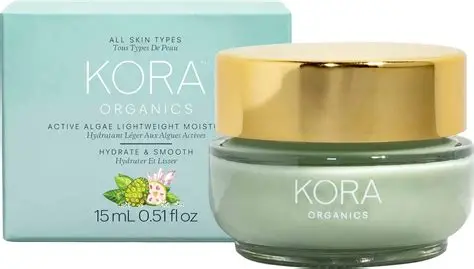
Industry takeaway: demonstrates how packaging innovation (refills, recyclables) can coexist with luxury-grade performance.
Price: $62 | Certification: Certified Organic | Best for: Oily, acne-prone, or combination skin
5. Tata Harper Regenerating Cleanser – Best Exfoliating Cleanser
A COSMOS Organic-certified exfoliating cleanser that uses pomegranate enzymes, willow bark, and apricot microspheres for both physical and enzymatic renewal. Endorsed by Allure as a “Best of Beauty” pick, it’s ideal for dull or textured skin.
Why it stands out: merges luxury formulation and sustainability—a rare feat in the high-end organic category.
Price: $88 | Certification: COSMOS Organic | Best for: Uneven texture, dullness, daily exfoliation
4. Ingredient Innovation: From Rosehip to Algae
Modern organic skincare isn’t just about avoiding toxins—it’s about bioactive optimization.
- Rosehip Oil: High in retinoic acid precursors, boosts collagen, and enhances cellular turnover naturally.
- Green Algae: A sustainable marine ingredient that supports moisture retention and fights oxidative stress.
- Non-Nano Zinc Oxide: A safe mineral UV filter that avoids coral toxicity and skin irritation.
- Plant Enzymes: Such as pomegranate or papaya, offering gentle exfoliation without synthetic acids.
For formulators, the lesson is clear: ingredient storytelling and performance data now drive brand trust as much as sensory appeal.
5. Certification and Transparency: What Makes “Organic” Credible?
Not all “organic” claims are equal. Industry certifications like COSMOS, Ecocert, and USDA Organic define minimum thresholds (typically 95%+ plant-based or natural origin).
| Certification | Scope | Focus |
| COSMOS Organic | EU/Global | Ingredient sourcing, environmental management, packaging ethics |
| Ecocert | Global | Minimum 95% natural origin ingredients, traceability |
| USDA Organic | US | 95%+ organic agricultural ingredients |
| NATRUE | EU | Limits synthetics, promotes fair trade sourcing |
For professionals, displaying these marks communicates scientific discipline and brand integrity—crucial in B2B or export negotiations.
6. Sustainability and Packaging Design Trends
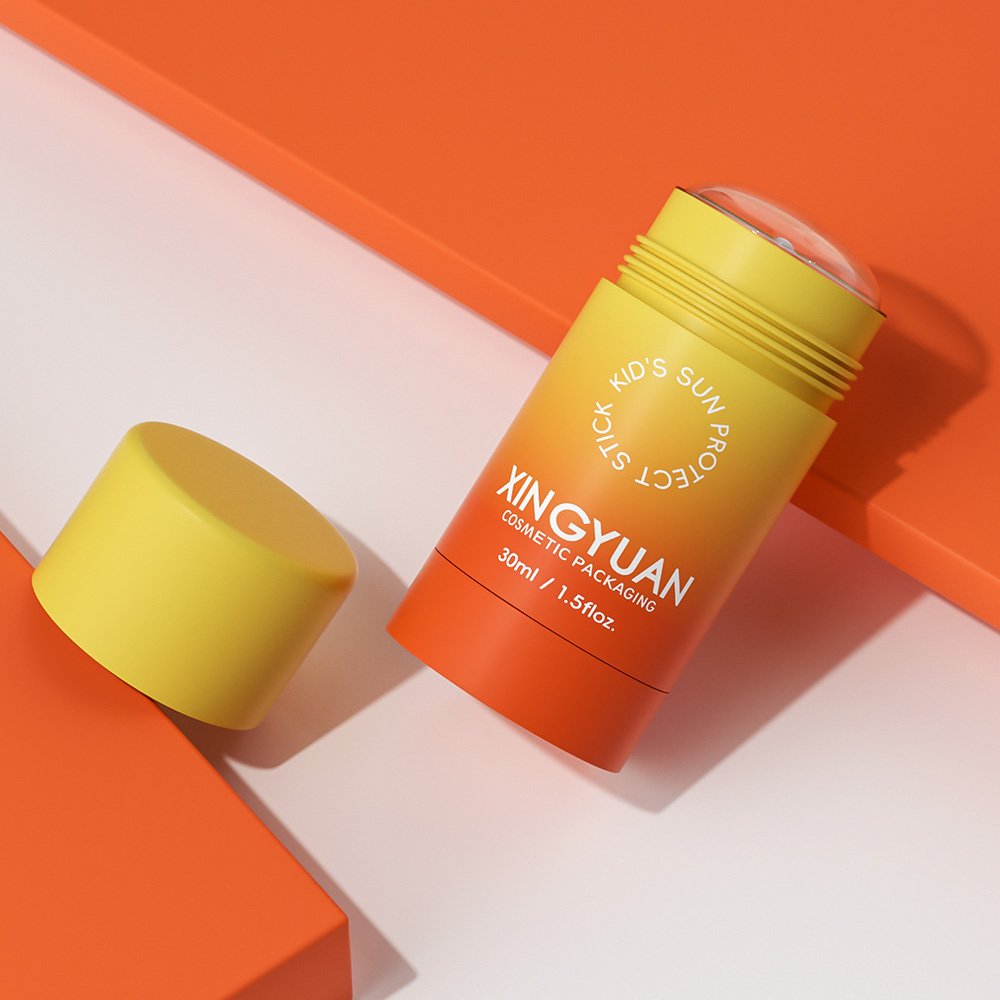
Today’s organic skincare movement extends beyond the jar. Brands are redefining eco-design, using:
- Refillable systems (KORA Organics’ Active Algae Moisturizer)
- Recyclable aluminum or glass (Badger and Pai Skincare)
- Low-impact printing and carbon-neutral logistics
Packaging engineers should prioritize life cycle analysis (LCA) and bio-based materials—not just recyclable claims—to meet upcoming ESG compliance requirements in 2026 and beyond.
7. Organic vs. Natural: Why Label Clarity Matters
“Natural” skincare can legally include non-organic or synthetically derived compounds. “Organic” requires traceable, certified ingredients grown without pesticides or GMOs.
For product developers, misuse of these terms risks regulatory penalties and consumer backlash. Experts recommend auditing suppliers annually and maintaining open-chain documentation to ensure claims remain compliant under tightening EU and US standards.
Summary
Organic skincare now defines the beauty industry’s direction—merging safety, performance, and sustainability. Brands that master clean formulation, credible certification, and transparent design will lead the next decade of innovation, meeting both ethical expectations and market profitability.