
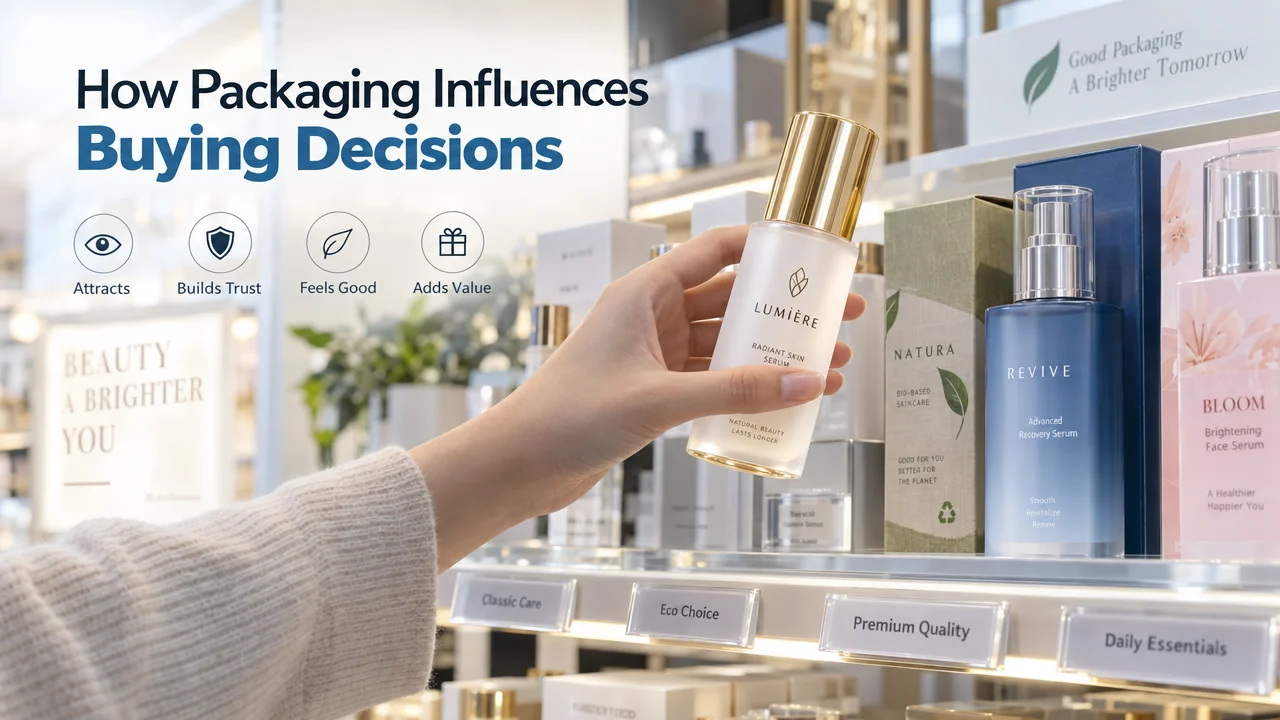
Customers often notice cosmetic packaging before they understand the product itself. A bottle’s color, shape, material, and overall appearance can influence first impressions, perceived quality, and brand trust. For beauty brands, packaging is not simply a container. It can become an important part of the buying experience.
Packaging influences consumer buying decisions by attracting attention, communicating brand identity, shaping perceived product quality, building trust, and affecting the overall customer experience. In cosmetics, elements such as color, shape, material, typography, functionality, and decoration can influence how consumers perceive a product before they use it. Effective packaging helps a beauty brand communicate its value quickly and differentiate the product from competitors, particularly in retail, e-commerce, and social media environments.
So, what exactly happens when a customer sees a cosmetic package for the first time? Let’s look at the buying journey step by step.
How Does Packaging Affect Consumer Buying Choices?
When consumers see a cosmetic product, packaging is often one of the first things they can evaluate.
They may not know the formula yet. They may not have tried the product. They may not even know the brand.
But they can immediately see the package.
This creates a simple consumer journey:
Attention → Perception → Evaluation → Trust → Purchase → Experience → Loyalty
First, the packaging needs to attract attention.
Then, consumers begin forming an impression of the brand and product. They may ask themselves:
Does this look like a product for me?
Next comes evaluation.
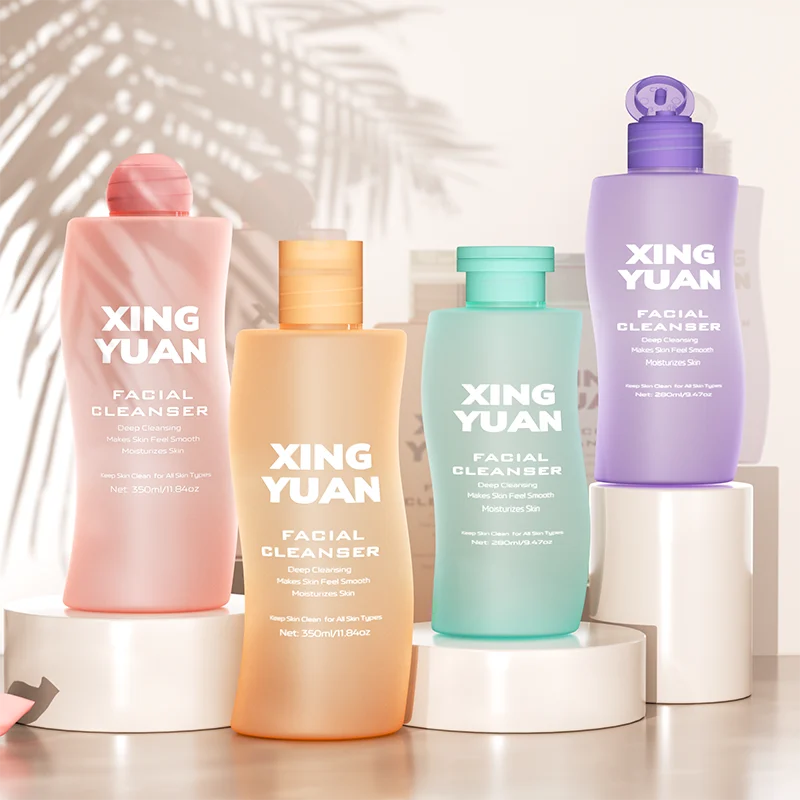
The consumer may compare the package with competing products based on appearance, price, product information, and perceived quality.
If the overall experience feels trustworthy, packaging can support the final purchase decision.
And the role of packaging does not necessarily end after purchase.
The package continues to influence how consumers experience, use, store, and remember the product.
Why Is Packaging So Important for Cosmetic Brands?
Beauty products are highly visual.
Customers often care about:
- Appearance
- Texture
- Color
- Brand image
- Premium feel
- Lifestyle positioning
- User experience
Before customers experience the formula, they experience the package.
This is particularly important for skincare products such as serums, lotions, creams, and facial treatments.
Imagine two serum bottles sitting next to each other.
One has a consistent visual identity, carefully selected colors, a comfortable dispensing system, and a premium surface finish.
The other has unclear typography, inconsistent decoration, and a poorly designed pump.
Even if the formulas are similar, the two products may create very different expectations.
This does not mean packaging can replace product quality.
It means packaging helps communicate the expected product experience before the consumer has used the product.
How Does Cosmetic Packaging Create a First Impression?
First impressions happen quickly.
A customer may initially notice:
- Bottle shape
- Color
- Logo
- Size
- Finish
- Overall composition
They may then form an immediate impression of the product.
A clean white bottle might support a minimalist skincare identity.
A dark bottle with metallic details may create a more premium visual direction.
A soft-colored package may feel more approachable or gentle.
However, these associations are not universal rules.
The same color or shape can communicate something completely different depending on the brand.
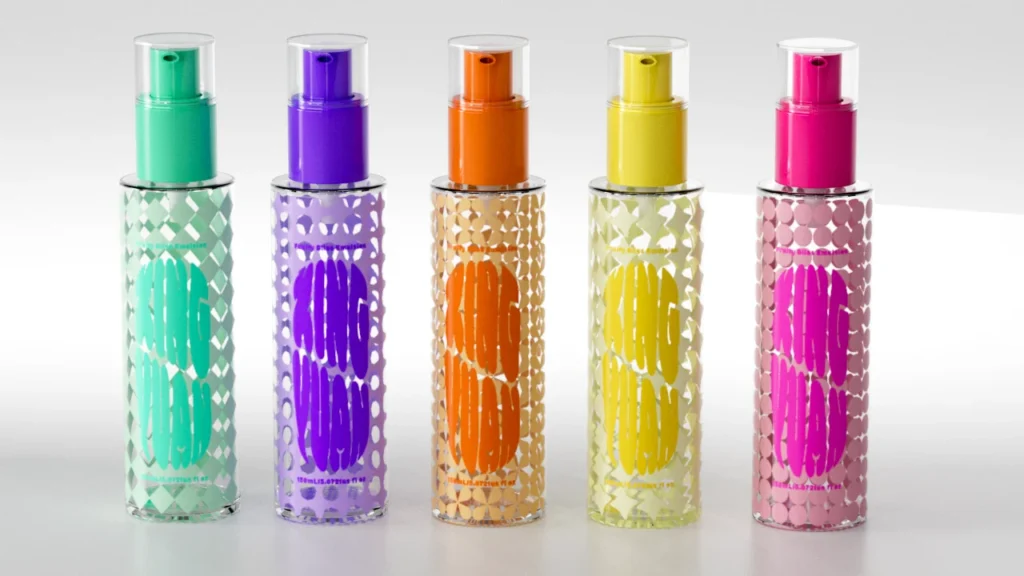
That is why effective packaging design needs to consider the entire visual system:
Color + Shape + Typography + Material + Finish + Brand
The objective is not simply to make a package attractive.
The objective is to make it appropriate for the brand and its target customer.
How Does Color Influence Cosmetic Buying Decisions?
Color is one of the most noticeable elements of packaging. It can help consumers recognize a product category and understand a brand’s visual identity.
For example, beauty brands frequently use colors such as:
White
Often associated with clean, simple, modern, or minimalist aesthetics.
Black
Can support premium, sophisticated, or contemporary positioning.
Green
Frequently used by brands communicating natural, botanical, or wellness-related positioning.
Pink
Can support soft, feminine, playful, or youthful visual identities.
Blue
Often associated with freshness, cleanliness, calmness, or clinical positioning.
But I would avoid making absolute claims such as:
“Green packaging always makes consumers think the product is natural.”
Consumer perception depends on context.
A green bottle with heavy metallic decoration communicates something different from a simple green bottle with botanical graphics.
The color works together with every other packaging element.
How Does Packaging Shape Influence Consumer Perception?
Shape can influence both recognition and usability.
A distinctive bottle silhouette can make a product easier to remember.
For beauty brands, common formats include:
- Cylindrical bottles
- Square bottles
- Rectangular bottles
- Slim serum bottles
- Wide cream jars
- Custom-shaped containers
A custom shape can create strong differentiation.
But there is an important distinction:
Distinctive does not always mean complicated.
A highly complex shape may increase:
- Mold costs
- Production complexity
- Assembly requirements
- Shipping challenges
- MOQ
It may also make the package uncomfortable to hold.
The strongest designs balance visual differentiation with practical usability.
This is particularly important for brands developing custom packaging for mass production.
Does Packaging Material Affect Purchase Decisions?
Material can influence how consumers perceive a cosmetic product.
Consumers may associate different materials with different qualities.
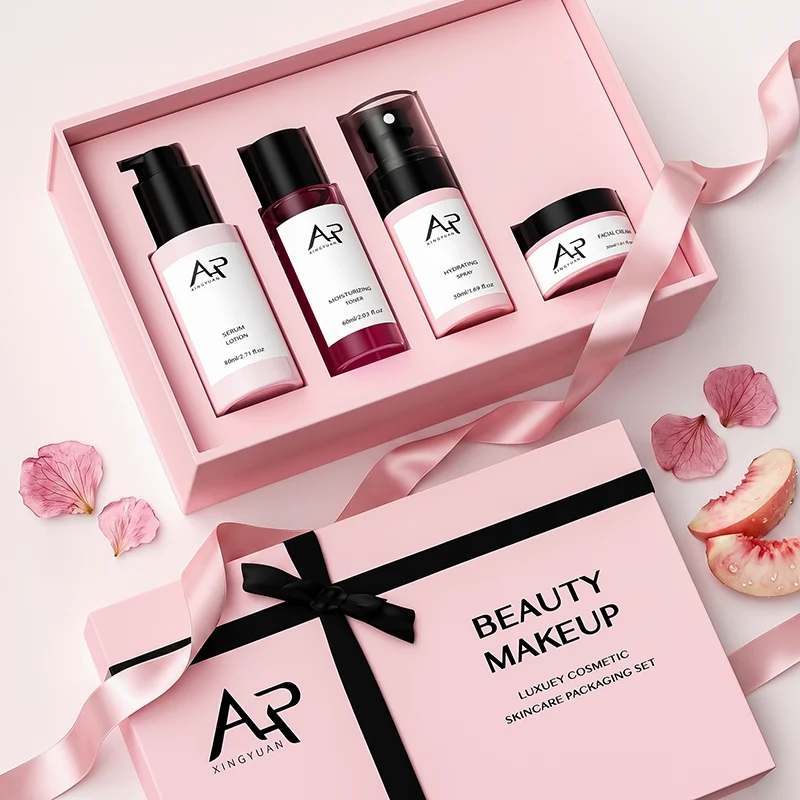
Glass
Glass can create a substantial, premium feel and is commonly used for prestige skincare and fragrance-related packaging.
Plastic
Plastic can offer lightweight construction, durability, design flexibility, and a wide range of shapes and finishes.
For many skincare brands, plastic packaging is also practical for transportation and everyday use.
PCR Plastic
Post-consumer recycled plastic can support a brand’s recycled-content strategy when appropriately specified.
Aluminum
Aluminum can provide a distinctive modern or premium appearance and may be suitable for particular packaging applications.
However, material selection should never be based only on consumer perception.
Brands also need to consider:
- Formula compatibility
- Product protection
- Weight
- Cost
- Transportation
- Manufacturing
- Target-market requirements
For more information, see our Sustainable Cosmetic Packaging Materials Guide.
How Does Packaging Communicate Brand Identity?
Packaging can function as a form of visual communication.
A customer may look at a bottle and immediately form an impression about:
- Who the product is for
- How premium it is
- What type of product it might be
- What kind of brand is behind it
This is why consistency matters.
Imagine a skincare brand positioned as premium and minimalist.
Its website uses simple typography, neutral colors, and elegant photography.
But its bottle uses bright colors, complicated graphics, and inconsistent printing.
The packaging does not reinforce the brand story.
Good packaging should create consistency between:
Brand → Website → Product → Packaging → Customer Experience
When these elements work together, the package becomes more than a container.
It becomes a recognizable part of the brand.
How Does Packaging Influence Perceived Product Value?
Consumers often cannot evaluate a cosmetic formula before purchasing it.
Instead, they rely on different signals.
Packaging can be one of those signals.
Elements that can influence perceived value include:
- Bottle weight
- Material
- Shape
- Color
- Surface finish
- Decoration
- Typography
- Component quality
For example, a carefully finished bottle with hot stamping and a refined surface treatment may create a stronger premium impression than a basic unprinted container.
This is one reason cosmetic brands invest in packaging development.
However, premium packaging needs to be supported by a quality product.
If a beautiful bottle creates high expectations but the product experience is poor, the initial packaging advantage can quickly disappear.
How Does Packaging Build Consumer Trust?
Trust is particularly important in skincare.
Consumers want to feel that the product is professional, reliable, and appropriate for its intended use.
Packaging can support this through:
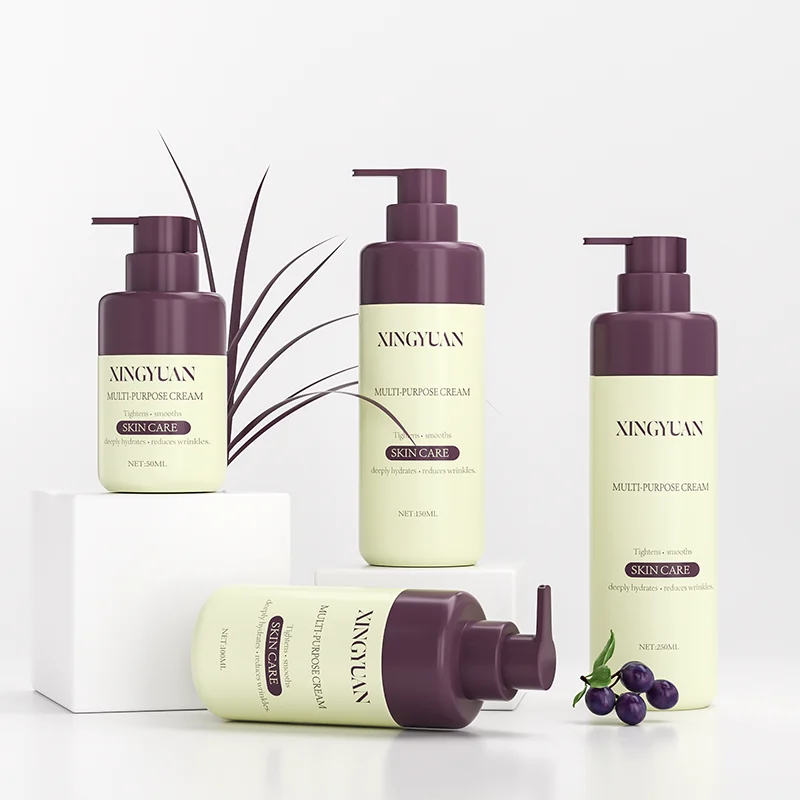
Clear Information
Important product information should be easy to understand and read.
Professional Appearance
Consistent color, printing, and finishing can reinforce a professional brand image.
Reliable Functionality
A pump should work consistently.
A cap should close securely.
The package should not leak during normal use.
Consistent Quality
If one production batch looks noticeably different from another, it can affect brand perception.
This is why packaging quality control matters just as much as the initial design.
How Does Packaging Influence Impulse Buying?
Packaging can be particularly important when consumers make unplanned purchases.
Imagine someone walking through a beauty store.
They may not have planned to buy a new serum.
But an attractive package catches their attention.
The consumer then notices the:
Brand → Product → Benefit → Price
If the product looks relevant and trustworthy, they may decide to investigate further.
Packaging alone does not guarantee a purchase.
But it can help a product enter the consumer’s consideration set.
This is one reason shelf impact remains important for beauty packaging.
How Does Packaging Affect E-Commerce Buying Decisions?
Packaging also matters when consumers shop online.
In e-commerce, customers cannot physically touch the bottle before buying.
Instead, they rely heavily on:
- Product photography
- Videos
- Product descriptions
- Reviews
- Brand reputation
- Packaging appearance
This means packaging needs to look good in photographs as well as in person.
A strong package should remain recognizable when shown as:
- A product thumbnail
- A website hero image
- An Instagram post
- A TikTok video
- An unboxing video
For DTC beauty brands, packaging can therefore become part of the digital marketing system.
Why Is Packaging Important for Social Media Marketing?
Beauty packaging can become content.
Think about:
- Unboxing videos
- Influencer reviews
- Product photography
- Instagram Reels
- TikTok videos
- User-generated content
A distinctive package can make a product easier to recognize when consumers encounter it repeatedly online.
This creates an important concept:
Packaging can be a marketing asset, not just a protective container.
For a growing beauty brand, recognizable packaging can reinforce brand recall across different channels.
The package appears in the customer’s bathroom, social media feed, product photos, and reviews.
Every appearance creates another brand touchpoint.
How Does Packaging Affect the Customer Experience?
The consumer experience continues after the purchase.
Customers need to:
- Open the package
- Hold it
- Dispense the product
- Close it
- Store it
- Carry it
These small interactions can affect their overall impression.
Consider a premium serum bottle.
It may look beautiful, but if the dropper is difficult to use or the cap is uncomfortable, the customer may not perceive the product as premium anymore.
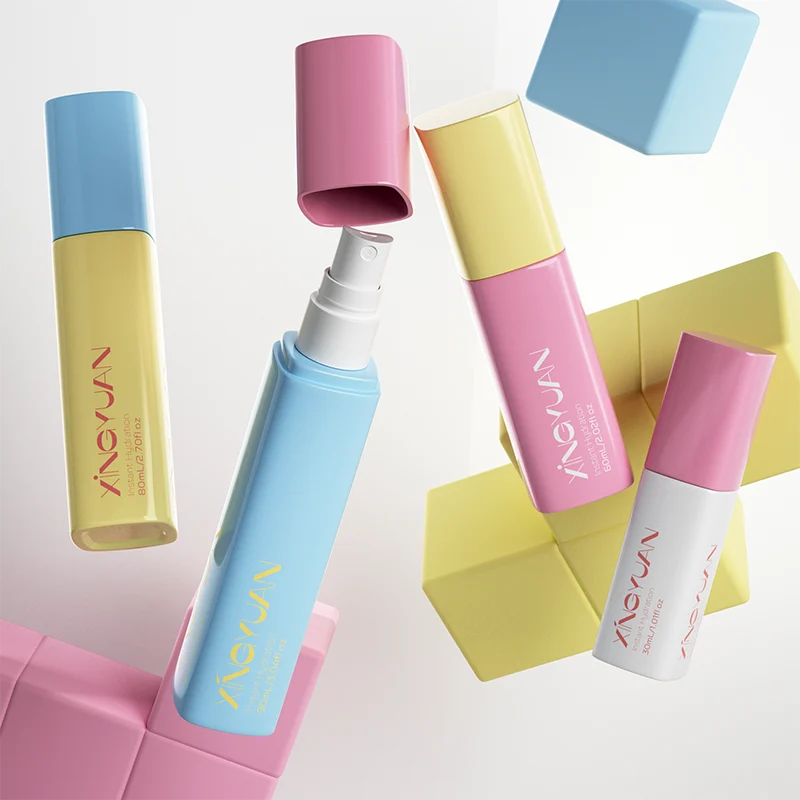
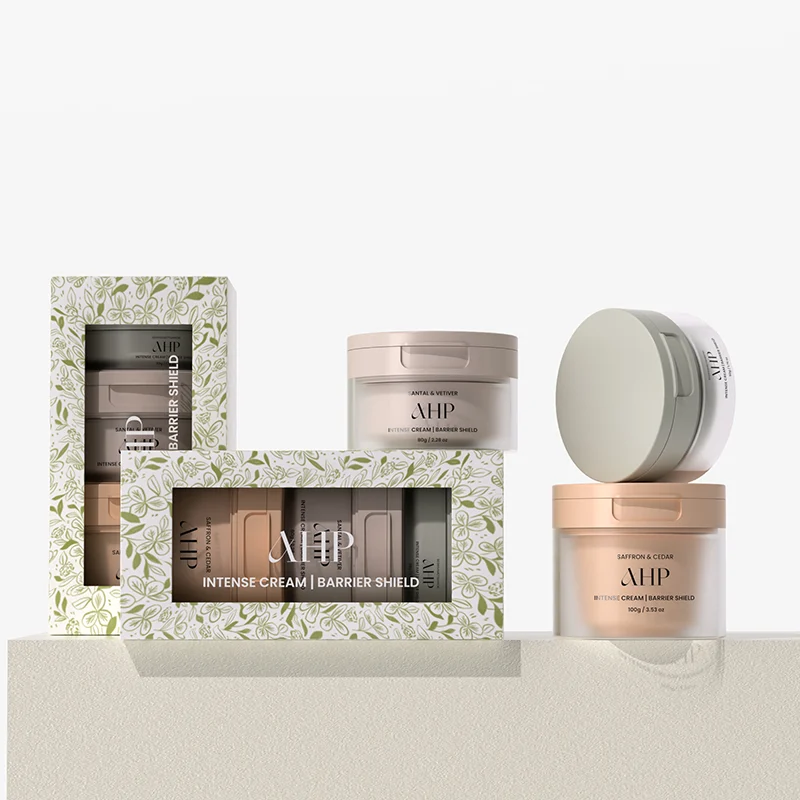
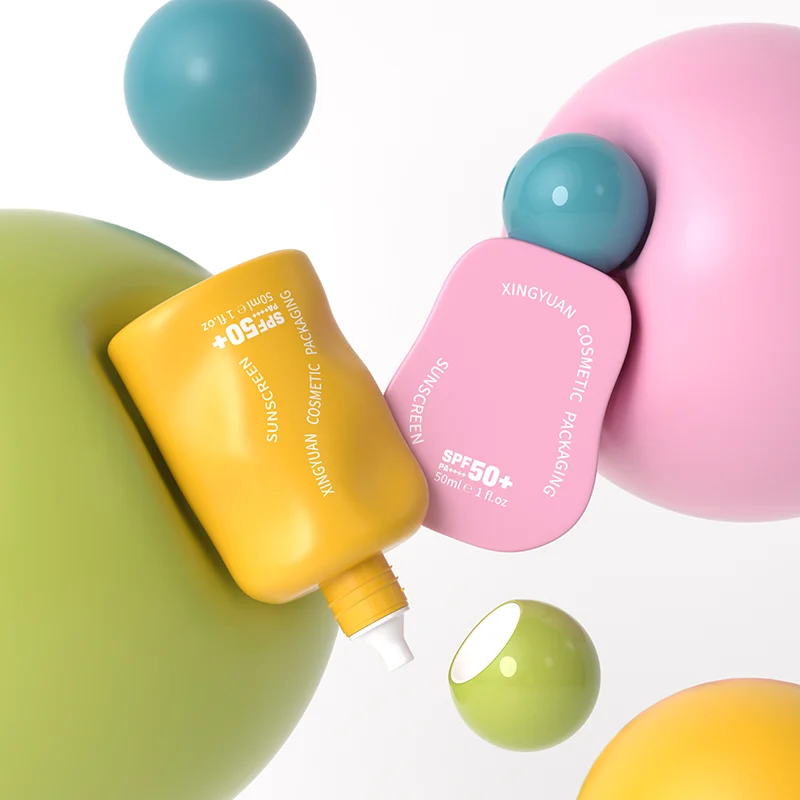
This is why good cosmetic packaging needs to balance:
Visual Appeal + Functionality + User Experience
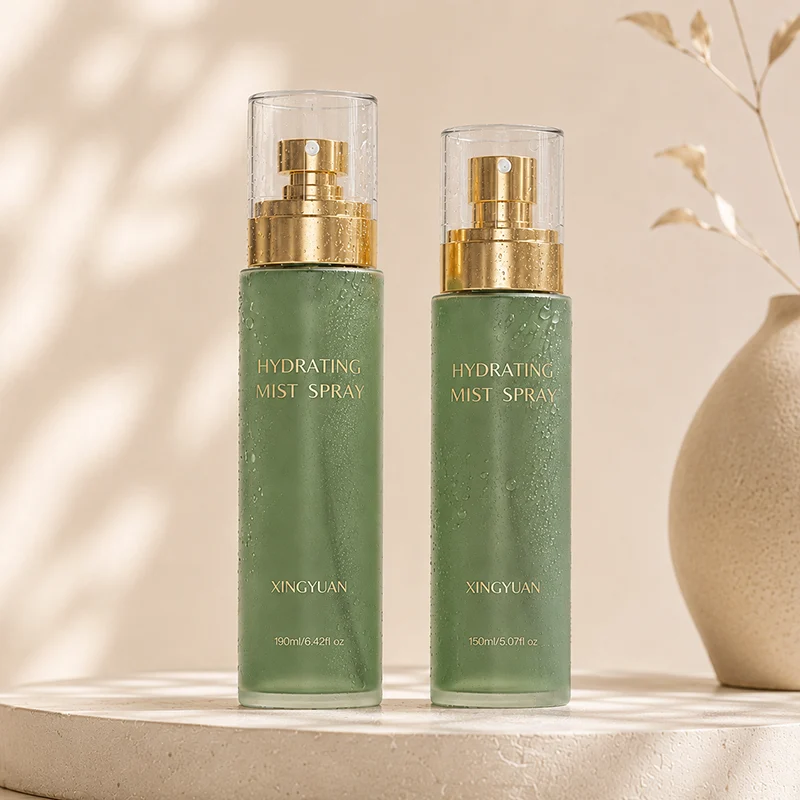
A successful package should look good and feel good to use.
Can Sustainable Packaging Influence Consumer Decisions?
Sustainability has become an increasingly important consideration for many beauty brands.
Packaging decisions can support sustainability through:
- PCR content
- Lightweight designs
- Material reduction
- Recyclable structures
- Refillable systems
- Fewer unnecessary components
However, sustainability claims need to be accurate.
A package should not be called “eco-friendly” simply because one component uses recycled material.
Brands should evaluate the packaging more holistically.
For example:
Material → Manufacturing → Transportation → Use → End-of-life
The most appropriate solution depends on the product and target market.
For a broader introduction, see our Eco-Friendly Cosmetic Packaging Guide.
How Should Brands Design Packaging That Influences Buyers?
There is no single packaging style that guarantees consumer purchases.
Instead, I recommend following a structured process.
1. Know Your Target Customer
Understand:
- Age group
- Lifestyle
- Product expectations
- Price sensitivity
- Shopping behavior
2. Define Your Brand Positioning
Decide whether your brand is:
- Premium
- Clinical
- Natural
- Minimalist
- Accessible
- Professional
- Trend-focused
3. Choose the Right Packaging Format
Match the container with the product.
For example:
- Lotion → lotion bottle
- Serum → serum bottle
- Sensitive formula → potentially airless packaging
- Cream → cream jar
4. Build a Clear Visual Hierarchy
Make sure consumers can quickly identify:
Brand → Product → Key Benefit
5. Balance Aesthetics and Functionality
Never sacrifice basic usability simply to create a more unusual appearance.
6. Design for Retail and Digital Channels
Think about how the package will appear:
- On shelves
- On websites
- In product photos
- On social media
7. Test Before Mass Production
Use physical samples.
Test the formula.
Test dispensing.
Test transportation.
Then make final decisions.
What Cosmetic Packaging Elements Should Brands Prioritize?
| Packaging Element | Potential Consumer Impact |
| Color | First impression and brand association |
| Shape | Recognition and differentiation |
| Material | Quality and value perception |
| Typography | Readability and brand identity |
| Finish | Premium and tactile perception |
| Pump/Closure | Functionality and convenience |
| Size | Portability and perceived value |
| Sustainability | Environmental positioning |
| Overall Design | Brand recognition and purchase appeal |
The important point is that consumers do not evaluate these elements separately.
They experience them as one complete package.
Why Should Packaging Design and Manufacturing Work Together?
Consumers only see the finished product.
Behind that product, however, there may be a much longer process:
Brand Strategy → Design → Material → Mold → Prototype → Testing → Production
This is why packaging design and manufacturing should not be treated as completely separate stages.
A designer may ask:
“Does this look good?”
A manufacturer also needs to ask:
“Can we produce it consistently?”
Important considerations include:
- Mold complexity
- Material selection
- Wall thickness
- Tolerances
- Assembly
- Decoration
- Production volume
- MOQ
- Quality control
Early collaboration can help brands identify problems before they become expensive production changes.

How Can Comaypack Help Create Cosmetic Packaging for Your Brand?
At Comaypack, we help beauty brands turn packaging concepts into practical, production-ready solutions.
Our services cover the development process from initial concept through manufacturing.
OEM and ODM Development
We support:
- Custom cosmetic bottles
- Custom cream jars
- OEM packaging
- ODM packaging
- Packaging development
- Sample development
This allows brands to start with an existing concept, reference package, or more customized design.
Mold Development
For brands that want a distinctive package, custom mold development can turn a design concept into a manufacturable product.
The process can include:
Design Concept → Mold → Sample → Testing → Mass Production
Plastic Cosmetic Packaging
Our core product range includes:
- Lotion bottles
- Serum bottles
- Airless bottles
- Cream jars
- Custom plastic cosmetic bottles
We can help brands evaluate packaging structures based on product requirements, functionality, aesthetics, and production considerations.
Surface Treatment
Our surface treatment capabilities include:
- Spray coating
- Electroplating
- Silk printing
- Hot stamping
These options can help brands create different visual and tactile experiences without necessarily changing the fundamental bottle structure.
Production and Global Delivery
We also support:
- Sampling
- Mass production
- Quality control
- Production coordination
- Fast delivery
- International export
Our export experience includes customers in the USA, Europe, and Australia.
How Can Brands Measure Whether Packaging Is Working?
Packaging should not be evaluated only by asking:
“Do customers like the bottle?”
Brands can also monitor broader commercial indicators such as:
- Product-page engagement
- Click-through rate
- Add-to-cart behavior
- Conversion rate
- Customer reviews
- Social media engagement
- Repeat purchase
Packaging is only one factor in the buying decision.
Other factors include:
- Product performance
- Price
- Reviews
- Brand reputation
- Ingredients
- Marketing
- Customer service
The goal is therefore not to make packaging responsible for every sale.
The goal is to make packaging support the entire customer journey.
What Cosmetic Packaging Mistakes Can Hurt Buying Decisions?
Even a well-designed product can lose potential customers because of avoidable packaging problems.
Common mistakes include:
- Poor readability
- Weak visual differentiation
- Inconsistent branding
- Low-quality decoration
- Difficult dispensing
- Leakage
- Overly complicated shapes
- Unclear sustainability claims
- Packaging that does not match the product’s price positioning
For more practical examples, see our Common Cosmetic Packaging Mistakes Guide.
How Packaging Influences Consumer Buying Decisions FAQs
Does packaging really influence buying decisions?
Yes. Packaging can influence attention, brand perception, perceived value, trust, product differentiation, and the overall customer experience. However, packaging is only one factor in a purchase decision and works together with product quality, price, reviews, and brand reputation.
What packaging elements influence consumer behavior?
Common influential elements include color, shape, material, typography, surface finish, size, functionality, and overall visual identity. Their effect depends on the product category, brand positioning, target audience, and shopping environment.
What colors attract customers to cosmetic products?
There is no universally effective cosmetic packaging color. White, black, green, blue, pink, beige, and metallic colors can all work for different brand positions. The best choice depends on the target customer and the complete visual identity.
Why is packaging important in cosmetics?
Cosmetic packaging communicates brand identity, protects the formula, provides product functionality, and creates an important visual and physical touchpoint with consumers. It can influence first impressions before customers have used the product.
How does packaging affect brand perception?
Packaging can reinforce a brand’s positioning through its color, shape, material, typography, and finishing. Consistent packaging helps consumers recognize the brand and can contribute to perceptions of quality, professionalism, or premium value.
Can premium packaging increase perceived product value?
Premium packaging can contribute to higher perceived value by using appropriate materials, finishes, shapes, and details. However, packaging should be consistent with the product itself. A premium appearance cannot compensate for a poor product or bad user experience.
Does sustainable packaging influence consumers?
Sustainability can be an important consideration for some consumers. Packaging choices such as PCR content, material reduction, recyclable structures, and refill systems can support a brand’s sustainability positioning when the claims are accurate and appropriate for the target market.
Conclusion
Packaging can influence consumer buying decisions by attracting attention, communicating brand identity, shaping perceived value, building trust, and improving the customer experience. For beauty brands, effective packaging should connect visual design with functionality and product quality, creating a consistent experience from the first impression to product use.
The most effective cosmetic packaging is not necessarily the most complicated.
It is the packaging that communicates the right message to the right customer at the right moment.
It should make the product easy to recognize.
It should support the brand’s positioning.
It should feel appropriate for the price.
And most importantly, it should work reliably when the customer actually uses it.
For beauty brands developing new skincare products, packaging should therefore be treated as part of the product strategy rather than an afterthought.
At Comaypack, we help brands develop customized cosmetic packaging through OEM/ODM development, mold development, plastic bottle manufacturing, surface treatment, quality control, and global delivery.
If you already have a brand concept, product formula, reference bottle, or packaging design, we can help you move from the initial idea toward a practical packaging solution.