

Every cosmetic brand wants packaging that looks elegant, performs well, and aligns with modern sustainability goals. Yet, many packaging materials either cost too much or lack durability. That’s where HDPE plastic bottles come in — a reliable, cost-effective, and eco-friendly choice for today’s cosmetic and personal care products.
HDPE plastic bottles offer multiple advantages for cosmetic packaging — they’re durable, impact-resistant, lightweight, and highly recyclable. HDPE (High-Density Polyethylene) has a strong strength-to-density ratio, making it ideal for products that need to endure transport, handling, and moisture exposure. It’s cost-efficient, safe, and compatible with many product formulas, including shampoos, lotions, and creams. This balance of performance, versatility, and sustainability makes HDPE one of the top packaging choices for cosmetic and personal care brands worldwide.
Let’s explore why cosmetic and hair care brands increasingly turn to HDPE bottles — and how this versatile plastic continues to define sustainable beauty packaging.
Why Is HDPE Suitable for Bottles?
HDPE (High-Density Polyethylene) is widely used in the packaging industry because of its lightweight, strength, and resistance to chemicals. For cosmetics, these qualities matter a lot. HDPE bottles don’t crack or leak easily, even under pressure or temperature changes — perfect for shampoos, conditioners, lotions, and liquid soaps.

The material’s low production cost makes it budget-friendly for both small and large cosmetic brands. In addition, HDPE’s non-reactive nature ensures that product formulas remain pure, stable, and effective over time.
Do HDPE Bottles Contain BPA?
Consumers today care deeply about product safety and environmental impact. Fortunately, HDPE plastic is BPA-free, phthalate-free, and non-toxic. Unlike some plastics that may leach chemicals, HDPE is one of the most stable and food-safe materials available.
That’s why it’s often used not just for cosmetics but also in food and pharmaceutical packaging. Its non-leaching quality ensures that your shampoo, lotion, or serum stays exactly as formulated — without absorbing harmful substances or odors.
Why Do Cosmetic Brands Prefer HDPE Bottles?
Cosmetic brands love HDPE bottles because they balance performance, cost, and aesthetics. HDPE offers a clean, professional look while providing excellent protection against moisture, oxygen, and UV rays, preserving the quality of active ingredients.
These bottles are also impact-resistant, making them ideal for shipping and retail environments. For haircare or skincare products that face humid conditions, HDPE ensures long shelf life and consistent product quality — both essential for maintaining brand trust.
Can HDPE Bottles Be Customized for Skincare Products?
Absolutely! One of HDPE’s greatest strengths is its customization flexibility. Cosmetic brands can choose from a wide range of shapes, sizes, finishes, and colors, making it easy to match packaging with brand identity.
HDPE bottles support decoration techniques like silk-screen printing, labeling, hot stamping, and shrink wrapping. They’re compatible with different neck finishes and cap types, from pump dispensers to flip-top caps. Whether it’s a minimalist skincare line or a vibrant haircare brand, HDPE offers endless design potential.
Is HDPE Plastic Safe for Cosmetic Packaging?
Yes — HDPE plastic is 100% safe for cosmetic applications. It doesn’t emit harmful fumes during production, nor does it react with most cosmetic ingredients. In fact, HDPE is FDA-approved for food contact, underscoring its exceptional safety standards.
From a hygiene standpoint, HDPE’s non-porous surface prevents bacterial growth, making it ideal for sensitive formulations like baby lotions or natural skincare. Combined with its recyclability, HDPE offers a strong safety and sustainability profile that today’s conscious consumers appreciate.
HDPE Plastic vs PET — Which Is Better for Cosmetics?
Both HDPE and PET plastics are popular in cosmetic packaging, but they serve slightly different purposes.
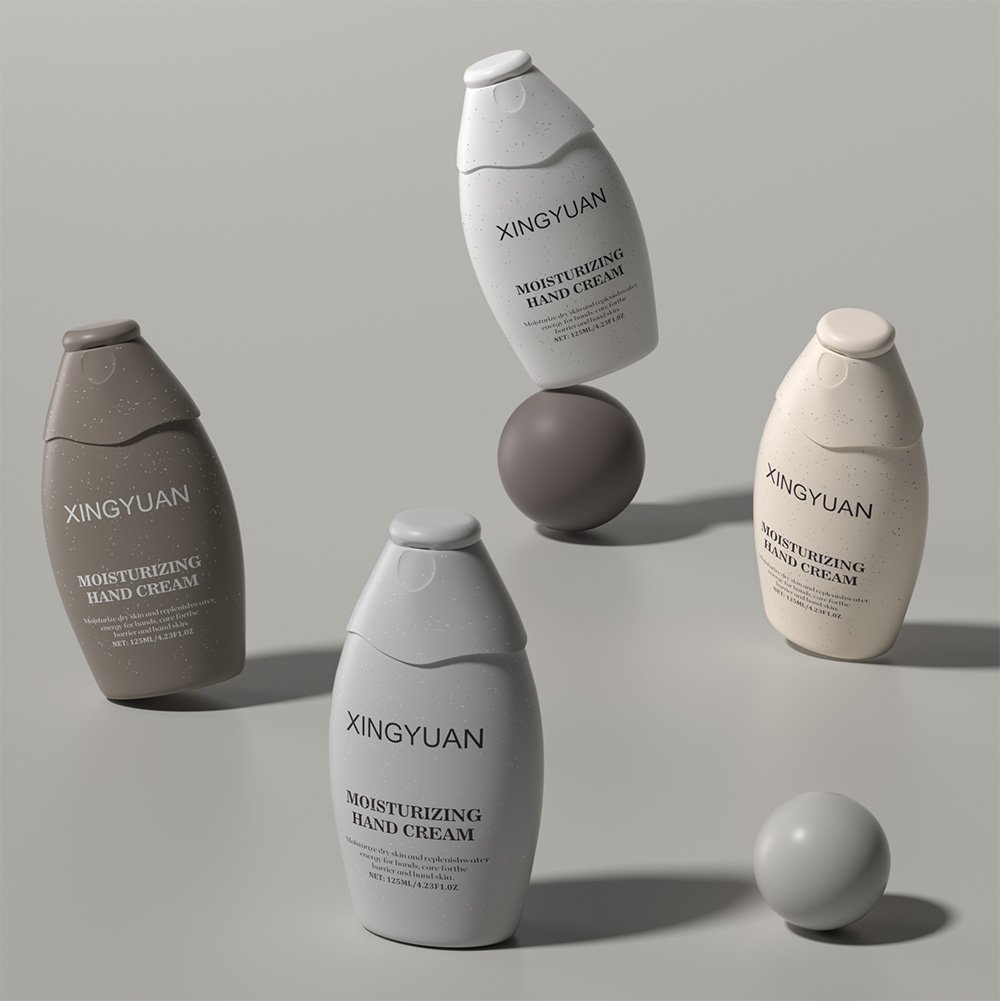
- HDPE bottles are opaque or semi-transparent, providing better UV protection and a soft-touch appearance. They’re also more impact-resistant and less brittle, ideal for thicker liquids like shampoo, conditioner, and creams.
- PET bottles, on the other hand, are crystal clear and lightweight — better suited for transparent products like toners or serums.
In short, HDPE wins on durability and chemical resistance, while PET excels in clarity. Many brands even combine both materials across product lines to balance function and aesthetics.
What Are the Disadvantages of HDPE Bottles?
While HDPE has many benefits, it’s important to stay balanced. The main disadvantage is its limited transparency — you can’t easily see the product inside. However, brands often overcome this by using tinted or frosted finishes for visual appeal.
Another consideration is that HDPE, while recyclable, can sometimes be less glossy than PET or glass. Yet for most cosmetic applications, the tradeoff is worth it because HDPE’s durability, safety, and cost efficiency far outweigh aesthetic limitations.
HDPE Properties and Uses in the Cosmetic Industry
HDPE’s technical properties make it a packaging powerhouse:
- Density: 0.94–0.97 g/cm³ (light but strong)
- Melting Point: 120–180°C (heat-resistant)
- Chemical Resistance: Excellent against alcohols, acids, and detergents
- Recyclability: 100% recyclable (marked as plastic #2)
In the cosmetic industry, HDPE is used for:
- Shampoo and conditioner bottles
- Lotion and cream containers
- Body wash and hand soap packaging
- Skincare product tubes
- Cosmetic jars and pump bottles
It’s also widely used for refill packaging — a growing trend among eco-conscious beauty brands seeking to reduce plastic waste.
Disadvantages of HDPE (Keyword Expansion)
To provide a complete view, let’s quickly note the typical disadvantages of HDPE that manufacturers consider:
- Less transparency compared to PET
- Slightly lower temperature resistance than polypropylene (PP)
- Not suitable for certain solvents
However, for cosmetic packaging, these downsides rarely outweigh HDPE’s many strengths. Most brands find HDPE ideal for the balance it offers between performance, safety, and sustainability.
HDPE Plastic Examples and Everyday Applications
Besides cosmetics, HDPE plastic is everywhere. It’s used in milk jugs, detergent bottles, toys, and household containers. This demonstrates just how versatile and reliable the material is.
For beauty packaging professionals, understanding these HDPE plastic examples helps in product development — ensuring compatibility with product formulations, supply chain demands, and brand design.
HDPE Advantages and Disadvantages — Quick Recap
Here’s a summary comparison that you can easily reference:
| Advantages | Disadvantages |
| Durable and impact-resistant | Limited transparency |
| Cost-effective | Less glossy appearance |
| Recyclable and sustainable | Slightly heavier than PET |
| Safe (BPA-free, non-leaching) | Not suitable for some solvents |
| Customizable in shape/color | — |
As you can see, HDPE offers more benefits than drawbacks, especially in cosmetic packaging where performance and brand protection come first.
Summary
HDPE plastic bottles combine durability, safety, recyclability, and customization — making them a smart choice for modern cosmetic and hair care packaging. Whether you’re a startup or an established brand, HDPE helps you balance cost and sustainability. Explore quality HDPE packaging options today with Comaypack — your trusted packaging partner.