
Your cosmetic packaging design tells your brand’s story—its identity, values, and creativity. But once your product hits the shelf, imitation can appear overnight. Many beauty brands lose exclusivity not from lack of innovation, but from weak protection. Let’s change that. Here’s how to keep your packaging truly yours.
To protect your cosmetic packaging design from imitation, combine legal and technical measures: register your design patent, use airtight NDAs and mold ownership contracts, and secure all technical files. These steps ensure your packaging’s visual and structural designs are legally protected, confidentially produced, and globally enforceable—preserving your brand’s originality and market advantage.
Here’s a complete guide every cosmetic brand should follow to stop imitation before it starts—covering registration, contract structure, and technical data protection.
1. Why Imitation Is a Growing Threat in the Cosmetic Industry
Packaging isn’t just a container—it’s your signature.
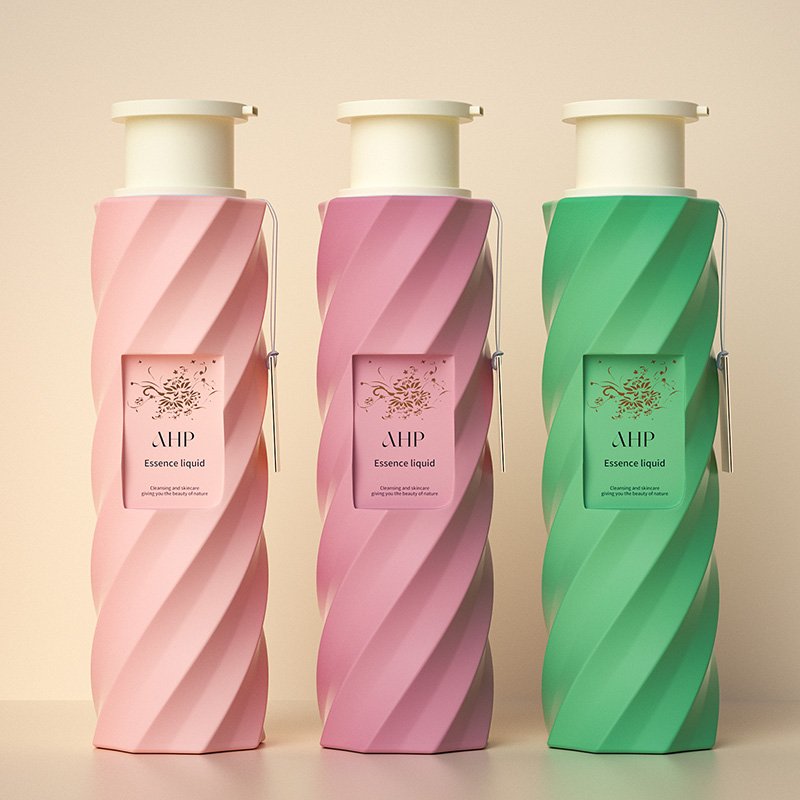
The color, shape, and finish of a bottle or jar define how consumers recognize your brand. But in today’s fast-moving beauty market, imitation spreads faster than ever.
Counterfeiters or competing brands can copy a design within weeks of launch, often through shared supplier networks or leaked 3D files.
For instance, an elegant HDPE shampoo bottle design once exclusive to a luxury brand appeared in regional markets under private labels—simply because the mold supplier reused its tooling.💡 Reality Check:
Packaging design theft isn’t always malicious—it often happens through weak data management or unclear ownership clauses.
That’s why real protection starts before production begins.
2. Step One: Register Your Design — The Legal Shield
A. What a Design Patent (or Design Right) Covers
A design patent (US term) or registered design right (EU/Asia) protects how your packaging looks—the shape, curves, textures, or ornamental details.
It doesn’t cover function, but it legally defines your visual originality.When you register your packaging design, you gain exclusive rights to prevent others from making or selling similar-looking products, even if they change minor details.
B. How to Register a Packaging Design Globally
| Region | Office / Authority | Protection Term | Processing Time |
| USA | USPTO (Design Patent) | 15 years (no renewal) | 8–12 months |
| EU | EUIPO (Community Design) | Up to 25 years (renewable every 5) | 2–3 months |
| UK | UKIPO (Design Right) | 15–25 years | 3–6 months |
| China | CNIPA (Design Patent) | 15 years (from 2021) | 4–8 months |
| International | WIPO Hague System | Up to 90+ countries | 6–12 months |
💡 Tip:
File your design before public launch or trade fair display. In most countries, once the design is published without registration, it’s no longer considered “new” and can’t be patented.
C. Best Practices for Cosmetic Packaging Registration
- Register both the bottle and closure separately if they have distinct aesthetics.
- Submit 3D renderings or CAD drawings that clearly show contours.
- Include variations (e.g., 250ml and 500ml sizes) under one filing.
- Keep the applicant name consistent with the legal brand owner.
- Store proof of creation—emails, drafts, and CAD files—to prove originality.
✅ For smaller beauty brands:
Start with your home market registration first (e.g., EUIPO or CNIPA), then expand through the Hague System to protect international markets as you grow.
3. Step Two: Protect Your Design Through Contracts
Legal registration is the foundation—but real-world protection happens inside contracts with your suppliers.
A. Non-Disclosure Agreements (NDAs)
An NDA is your first line of defense when sharing ideas or files with manufacturers.
Every reputable packaging supplier should sign one before receiving any drawings or specifications.A strong NDA should include:
- Clear definition of “Confidential Information” (designs, CAD data, samples, renders).
- Restrictions on sharing data with third parties.
- Obligations to return or delete files after project completion.
- Financial penalties or legal remedies for breaches.
💬 Pro tip:
Make sure the NDA covers employees and subcontractors of the supplier.
At Comaypack, for example, every staff member involved in client projects is bound by internal NDAs—no exceptions.
B. Mold Ownership Clauses
If your project includes private mold development, ownership clarity is critical.
Contracts should clearly state:
- The brand owns the mold and all design IP, even if the supplier fabricates it.
- The supplier cannot reuse, sell, or duplicate the mold for others.
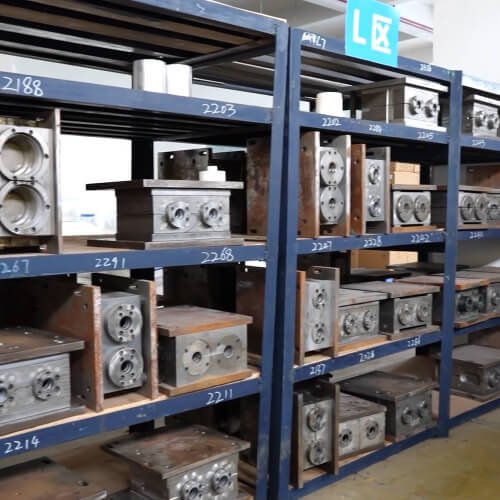
- The mold must remain physically and digitally secure at the factory.
- Upon request, the mold can be returned or destroyed after project completion.
💡 Marking molds with brand identifiers (e.g., engraved code or logo) helps confirm ownership if disputes arise later.
C. Manufacturing Agreement Essentials
A comprehensive agreement should integrate:
- Confidentiality obligations (reinforcing NDA terms)
- IP ownership clauses
- Audit rights for production verification
- Termination conditions and mold retrieval process
When your contracts are clear, you’re not just buying packaging—you’re buying security.
4. Step Three: Technical Security — Keep Your Mold Data Safe
Even the strongest contracts can’t prevent every risk.
Technical protection ensures your proprietary designs stay confidential inside the factory.
A. Control Access to Design Data
- Share CAD or 3D files only when necessary.
- Use password-protected transfer tools, not open email links.
- Store digital design files in encrypted or access-restricted systems.
- Regularly update file access lists to remove inactive users.
At Comaypack, client files are managed through internal, isolated servers—no external subcontractors can access CAD data or mold programs.
B. Develop Private Molds Only
A private mold is an exclusive tool made for one brand and one design.
Unlike open molds or catalog molds (used for multiple clients), private molds eliminate the risk of “accidental reuse.”Benefits of private molds:
- Guaranteed exclusivity and IP control.
- Ability to reproduce packaging anytime, anywhere under your approval.
- Proof of design ownership for IP enforcement.
🔒 Example:
A brand developing a unique PET lotion bottle through Comaypack’s private mold service maintains full control.
All mold data and CAD files remain sealed in Comaypack’s internal system, and samples are only shipped under written authorization.
C. Physical Mold Control
Even physical molds need protection:
- Assign inventory IDs and record storage location.
- Conduct annual mold audits to confirm usage and condition.
- Apply tamper-proof seals for high-value molds.
- Avoid transferring molds to third-party factories without supervision.
Your mold is the heart of your brand’s identity—treat it like intellectual property.
5. Step Four: Build an IP Protection Strategy That Works Globally
Protection isn’t a one-time act—it’s a system.
Here’s how to structure your global IP protection plan:
| Layer | Action | Purpose |
| Design Patent | File locally and via Hague System. | Legal exclusivity on appearance. |
| Trademark | Protect brand name and logo. | Prevent counterfeit labeling. |
| Copyright | Secure packaging artwork and graphics. | Stop unauthorized label use. |
| Contract Control | Use NDAs and ownership clauses. | Prevent supplier leaks. |
| Technical Security | Restrict access and store molds securely. | Stop unauthorized production. |
💬 Insight:
Many brands rely only on trademarks, but it’s the design patent that actually protects your unique bottle or cap shape.
6. Comaypack’s Confidential Manufacturing Model
At Comaypack, protecting your creative work is part of our culture.
We’ve developed an IP-conscious production system for global brands who demand both innovation and confidentiality.Our 3-Level Protection Framework
- Legal Security – All projects covered by NDAs, IP ownership confirmation, and client-signed contracts.
- Technical Security – In-house mold development, encrypted file storage, and restricted data access.
- Operational Transparency – Real-time project updates and traceable production logs.
Why It Matters:
By combining in-house tooling and secure file management, Comaypack ensures no duplication, no external exposure, no IP leakage—ever.
7. Real-World Case: Protecting a Premium Haircare Bottle Design
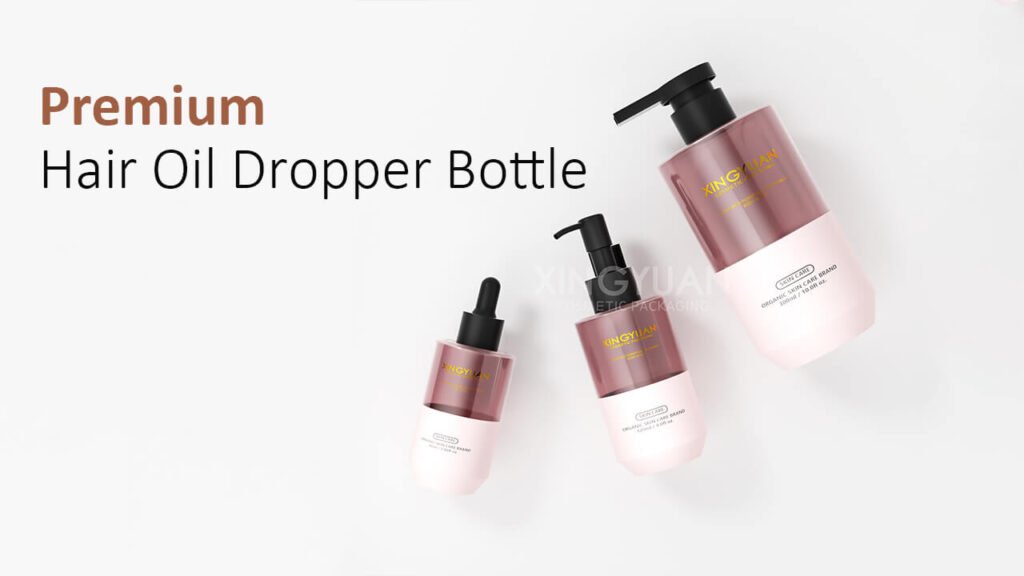
A European haircare brand partnered with Comaypack to create a sculpted HDPE bottle with a distinctive curve.
The concern? Competing local suppliers had copied their older packaging.Our Approach:
- Signed multi-level NDA and IP ownership agreement.
- Developed mold exclusively in-house with encrypted CAD data.
- Assisted the client in filing EU and China design patents.
Result:
The brand successfully launched across Asia with full IP protection—no imitation detected even after 18 months on the market.
8. What to Do If Your Design Gets Copied
Even with strong systems, imitation may still occur.
- Here’s what to do immediately:Gather Evidence: Screenshots, physical samples, timestamps, and product listings.
- Consult IP Counsel: Send a formal cease-and-desist letter referencing your design registration number.
- File Take-Down Requests: Platforms like Alibaba, Amazon, and Shopee honor IP complaints with documentation.
- Alert Customs: Register your IP with customs in key export markets to block counterfeit shipments.
- Reinforce Internal Policy: Review contracts and technical processes to close future loopholes.
Speed is essential—most imitation cases are resolved faster when legal ownership is clear.
9. Common Mistakes Brands Make
Avoid these five pitfalls that make your packaging vulnerable:
- Launching the design before filing for protection.
- Working with multiple unverified suppliers.
- Sharing open 3D files via unsecured email.
- Relying on handshake agreements instead of signed NDAs.
- Forgetting to renew regional design registrations.
Protecting your IP is much easier—and cheaper—than reclaiming it after a leak.
10. The Future of Cosmetic Packaging IP Protection
The next era of protection combines digital and physical security.
- Forward-thinking suppliers like Comaypack are already testing technologies such as:Blockchain tracking for mold authenticity records.
- Invisible digital watermarks embedded in packaging textures.
- AI-based image recognition to detect unauthorized copies online.
Tomorrow’s packaging protection won’t just stop imitation—it will trace it.
Summary
Your packaging design is your brand’s fingerprint.
Protect it through legal registration, airtight contracts, and strict technical control.
At Comaypack, IP protection isn’t an afterthought—it’s built into every private mold project, ensuring your creativity stays secure and your brand stays original.