
Introduction
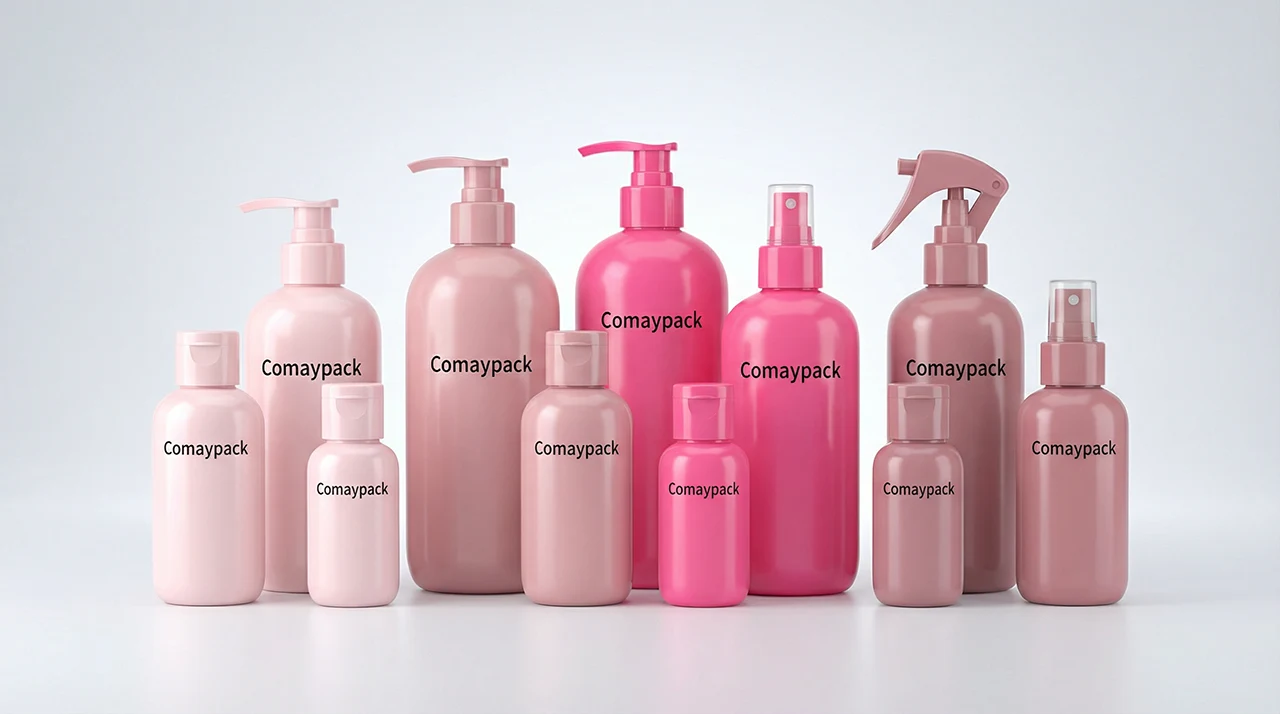
As sustainability reshapes the beauty industry, refill packaging is no longer an afterthought — it’s a strategic shift. Cosmetic brands seek durable, eco-friendly materials that preserve formula quality while reducing waste. HDPE bottles meet all these demands, merging practicality with circular design to support the future of zero-waste cosmetics.
HDPE bottles are ideal for refillable cosmetic packaging because they are durable, chemically stable, lightweight, and fully recyclable. Their high-density structure allows repeated use without warping, cracking, or leaching. HDPE also supports PCR (post-consumer recycled) blends, helping brands lower their carbon footprint. With proper sustainable bottle design, HDPE packaging enables refill systems that cut single-use plastics, support circular production, and maintain the premium aesthetics consumers expect from modern beauty brands.
Let’s explore how HDPE technology, material science, and smart design converge to make refillable packaging both environmentally responsible and commercially successful for the global cosmetics industry.
What Is Refillable Cosmetic Packaging?
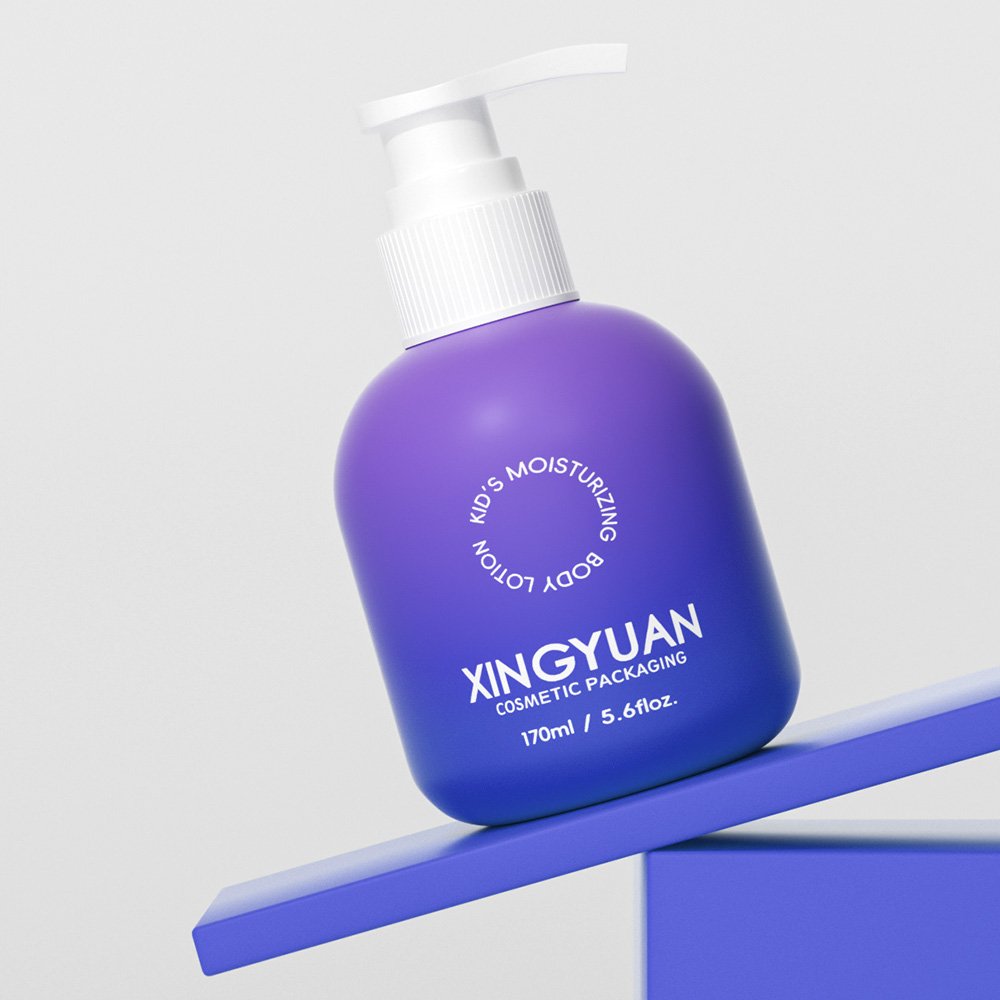
Refillable cosmetic packaging refers to reusable containers designed for multiple product cycles. Instead of throwing away a bottle after one use, customers refill or replace only the inner content, reducing material waste.
Common refill systems include:
- Refill cartridges (snap-in pods for airless bottles).
- Flexible pouches that replenish rigid bottles.
- In-store refill stations for shampoos or lotions.
According to The Ellen MacArthur Foundation (2025), switching to reusable packaging could cut beauty industry plastic waste by up to 80% if implemented globally. Refillable systems are central to zero-waste cosmetics because they maintain convenience while minimizing resource consumption.
Why Does Refill Packaging Matter for Zero-Waste Beauty?
Today’s consumers don’t just buy cosmetics; they buy values. Sustainability now ranks among the top purchase drivers.
- NielsenIQ (2025) reports 73% of consumers prefer brands with refillable or recyclable packaging.
- Euromonitor predicts the refillable beauty market will grow over 15% annually through 2030.
Refill packaging achieves three main environmental goals:
- Reduced plastic waste: Using one bottle for multiple cycles significantly lowers disposal rates.
- Lower carbon footprint: Refill systems reduce resin consumption and shipping weight.
- Encouragement of circular use: HDPE bottles can be recycled and re-used again as part of a closed-loop economy.
HDPE’s durability and recyclability make it one of the most efficient materials for achieving these sustainability goals.
Why HDPE Is Perfect for Refillable Cosmetic Bottles
1. Exceptional Durability
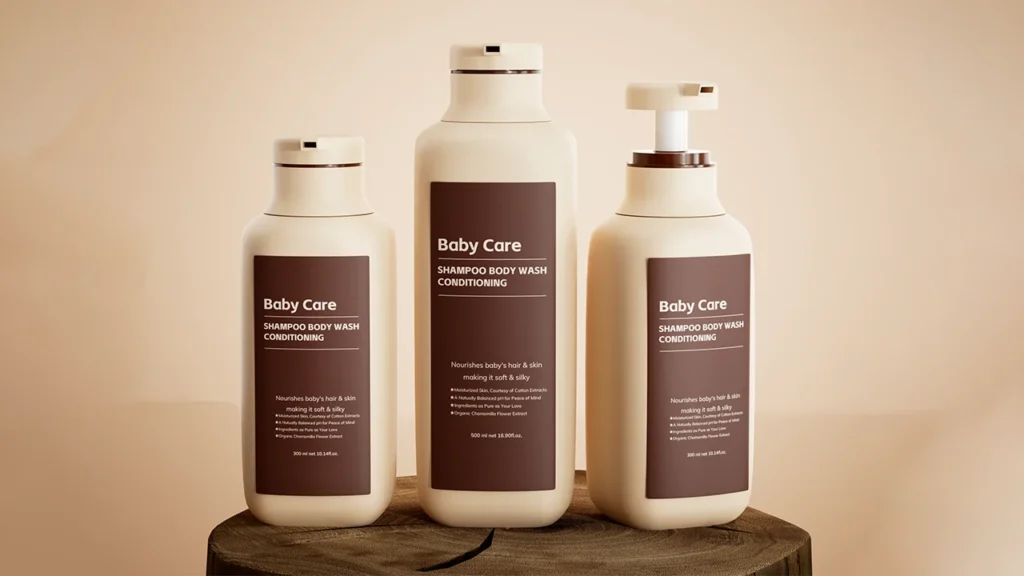
HDPE’s high molecular density makes it resistant to cracking, stress, and deformation — ideal for bottles repeatedly handled and washed during refill cycles.
2. Chemical Resistance
It withstands acids, alcohols, and essential oils found in skincare and haircare formulas. That means no chemical leaching or discoloration even after prolonged reuse.
3. Lightweight Efficiency
HDPE bottles weigh far less than glass alternatives, cutting shipping emissions by 30-50% per unit.
4. Non-Toxic and BPA-Free
Compliant with FDA and EU Regulation 10/2011, HDPE ensures consumer safety and product integrity over multiple refills.
5. Recyclability
Classified as resin code ♻️ #2, HDPE can be recycled into new bottles, containers, or industrial components without losing mechanical strength.
These combined traits make HDPE the preferred plastic for brands adopting refill and zero-waste systems.
How Sustainable Bottle Design Works with HDPE
Sustainable bottle design focuses on longevity, reusability, and minimal resource impact. HDPE supports these through adaptable engineering.
1. Thicker Wall Construction
Reusable HDPE bottles are often molded with 15-25% thicker walls for strength. This reinforces the bottle for repeated use without significant weight increase.
2. Easy Refill Features
Wide necks, detachable pumps, and refill ports allow convenient pouring or pouch refills, reducing spill waste.
3. PCR Material Integration
HDPE can be blended with 30–100% post-consumer recycled resin (PCR) while maintaining structure. Using PCR reduces virgin plastic demand and carbon emissions by up to 70%.
4. Simplified Material Composition
Monomaterial bottles (HDPE body + HDPE cap) enhance recyclability by avoiding mixed plastics like PET + PP combinations.
5. Label-Free or Eco-Label Solutions
Designs use embossed logos, laser engraving, or washable adhesive labels to ensure recyclability without contamination.
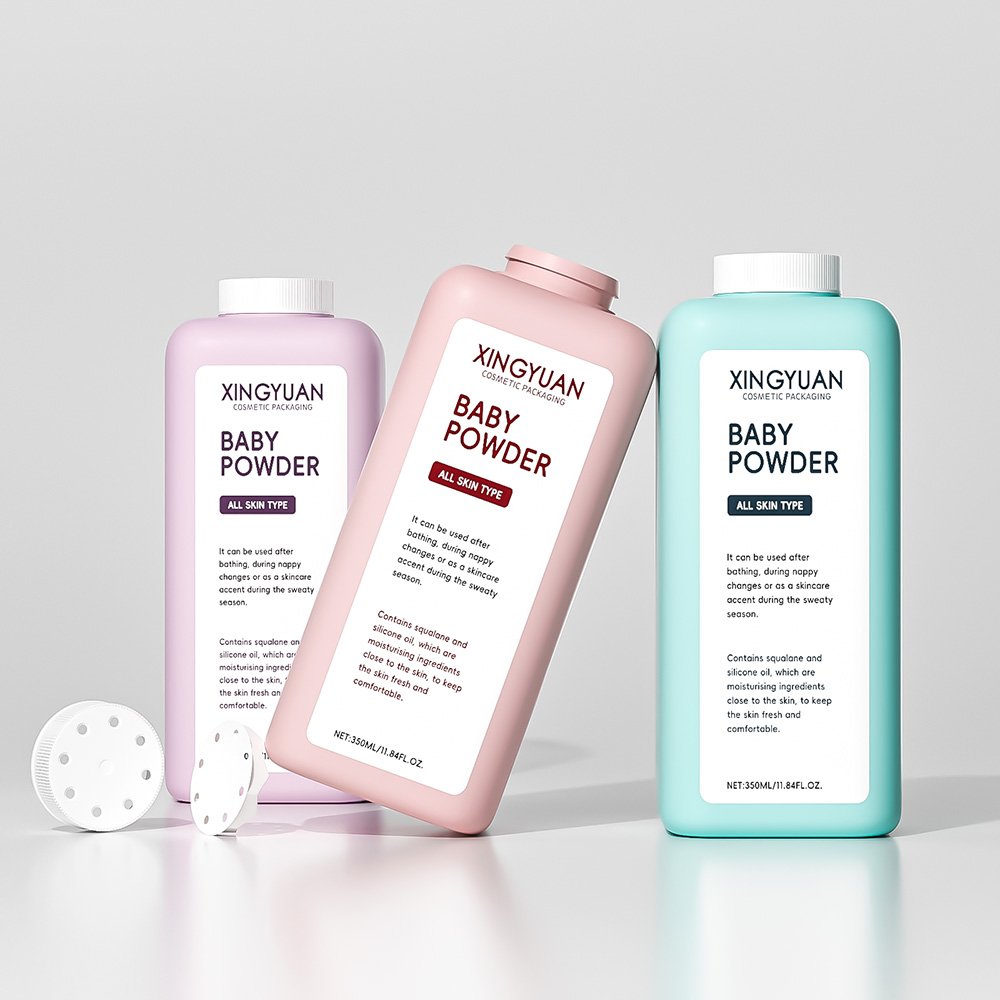
💡 Design Insight: A smooth-walled HDPE lotion bottle with embossed branding and a reusable pump embodies the future of premium sustainable design — simple, functional, and eco-responsible.
How HDPE Supports Closed-Loop Recycling Systems
Refillable systems only succeed if the material remains fully recyclable after multiple uses — and HDPE excels here.
Closed-Loop Recycling in Action
- Collection: Used HDPE bottles are returned or collected via recycling programs.
- Cleaning & Grinding: Bottles are washed, shredded into flakes, and sorted.
- Pelletizing: The flakes are melted into PCR pellets.
- Remanufacturing: PCR pellets are mixed with virgin HDPE to create new bottles.
This “bottle-to-bottle” cycle forms a closed-loop production model, drastically reducing landfill impact and fossil fuel use.
Comaypack actively develops rHDPE (recycled HDPE) solutions compatible with cosmetic safety standards — allowing brands to integrate sustainable materials without sacrificing quality or appearance.
What Design Options Help HDPE Bottles Stay Premium Yet Reusable?
Refillable packaging doesn’t have to look plain or industrial. HDPE’s versatility supports premium aesthetic customization while staying eco-friendly.
- Matte or frosted finishes convey minimalism and natural beauty.
- Soft-touch coatings provide a luxurious hand-feel for skincare lines.
- Embossed or debossed logos eliminate plastic labels and add texture.
- Subtle pastel or natural white tones emphasize eco-purity.
- Aluminum collars or recycled pumps enhance sophistication without harming recyclability.
According to Cosmetics Business Magazine (2025), 64% of consumers associate “refillable + premium design” with higher brand trust — meaning sustainability can directly elevate perceived value.
Real-World Examples: HDPE in Refillable Cosmetic Packaging
Many beauty brands are transitioning to HDPE refill solutions due to material performance and ease of recycling.
- Shampoo & Conditioner Lines:
- Thick-wall HDPE bottles with removable pumps and wide mouths allow easy refill from pouches.Body Lotion & Hand Wash:
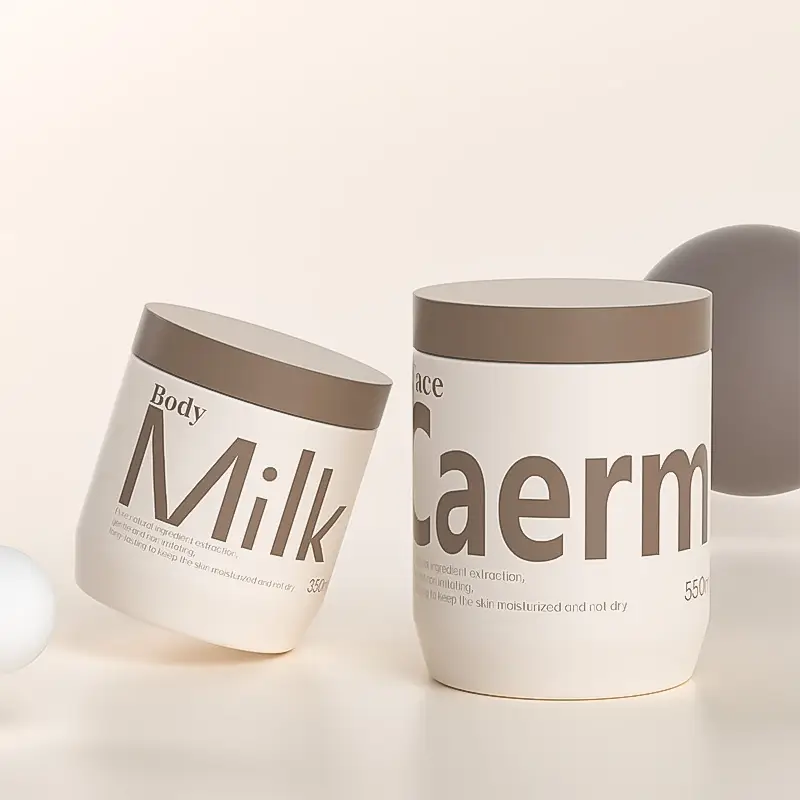
- Matte HDPE bottles combined with aluminum-free pumps offer a premium refillable alternative to PET.Facial Cleansers & Toners:
- Small, sturdy HDPE containers compatible with refill stations, maintaining formula stability for sensitive products.Eco-Salon Lines:
1L HDPE jugs used as refill sources for smaller retail bottles — reducing single-use packaging by 60%.💬 Case Insight:
A Comaypack client in the European haircare sector reduced annual plastic waste by over 18 tons after switching to refillable HDPE packaging using 50% PCR content.
How Comaypack Helps Brands Develop Sustainable HDPE Refill Solutions
At Comaypack, we transform sustainability goals into tangible packaging solutions. Our HDPE bottle production integrates environmental responsibility at every stage:
- Material Innovation: Options for 30%, 50%, or 100% PCR HDPE.
- Custom Mold Design: Wide-neck and refill-port features for user convenience.
- Eco Decoration: Silk-screen and hot stamping with non-toxic, solvent-free inks.
- Closed-Loop Guidance: Assistance with recyclability labeling and compliance.
- Quality Assurance: ISO 9001 & ISO 14001 certified, ensuring consistency and eco-efficiency.
We help brands transition from single-use packaging to sustainable, refillable systems that meet both aesthetic and environmental expectations.
Summary
Strong, recyclable, and endlessly reusable — HDPE bottles empower beauty brands to adopt sustainable, refill-based business models. Through smart sustainable bottle design and expert engineering, Comaypack helps companies create elegant zero-waste cosmetic packaging that protects both the product and the planet.