
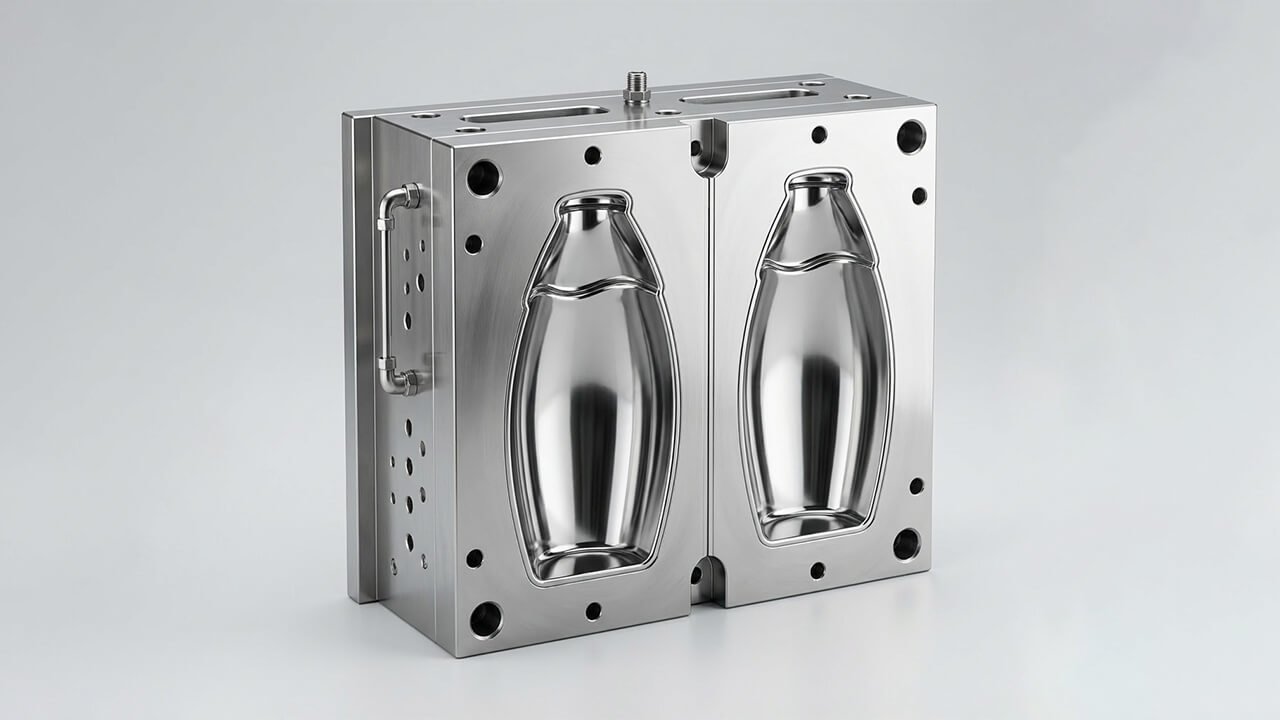
The cosmetic market is overflowing with similar packaging designs. Standing out has never been harder. Many brands struggle to protect their ideas and showcase originality. Private molds have become the key solution—offering unique packaging that differentiates, secures ownership, and elevates brand image through customized innovation.
Cosmetic brands increasingly choose private molds because they provide total control over packaging design, structure, and functionality. A private mold ensures exclusivity, protects intellectual property, and prevents imitation. It allows brands to create customized shapes and finishes that strengthen identity, attract consumers, and deliver cost-efficient mass production—making it a strategic investment for modern beauty companies worldwide.
Let’s explore why private molds have rapidly become a global trend reshaping the beauty packaging landscape and what this shift means for the future of cosmetic branding.
1. Why Are Cosmetic Brands Turning to Private Molds?
The answer lies in a mix of market pressure, innovation demand, and brand differentiation.
In recent years, the global beauty market has seen explosive growth. New indie labels and established giants alike compete for visibility in the same retail space. With similar formulas and functions, packaging has become the primary battlefield for attracting consumers’ attention.
Private molds empower brands to design packaging that’s instantly recognizable—a signature look that reflects their identity. Instead of using shared “public molds” that multiple companies can buy, a private mold belongs exclusively to one brand, ensuring no duplication.
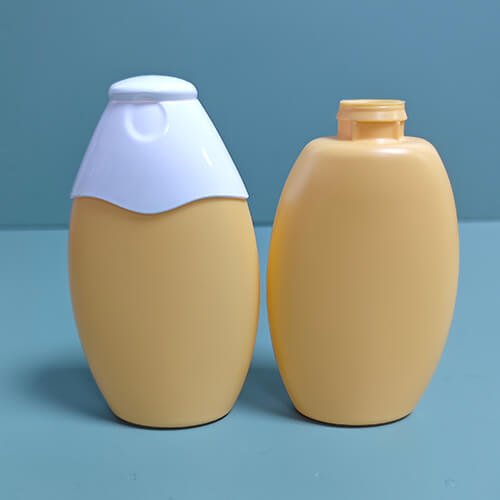
Brands are also seeking faster innovation cycles. With suppliers like Comaypack, which turns concepts into finished molds in just 30 days—30% faster than the industry average, beauty companies can respond rapidly to seasonal trends and consumer demands.
A perfect example is Marama, a rising beauty brand in Mexico. By investing in a private mold for their skincare line, they gained a distinctive packaging silhouette that resonated with local customers while reinforcing authenticity. For Marama, private molds became a competitive edge, not a cost burden.
2. What Does “Private Mold” Mean in Cosmetic Packaging?
A private mold refers to a customized metal tool used to manufacture packaging components like bottles, jars, and caps. Unlike open molds—shared across multiple clients—a private mold is developed exclusively for one brand.
It involves engineering precision: from 3D design to prototype sampling and mass production. The brand owns the mold and can authorize its use only through its chosen manufacturer. This ensures exclusive rights, protecting designs from imitation while granting full creative freedom.
Private molds can be applied to a wide range of products—lipsticks, foundations, serums, compacts, and more—each tailored to the brand’s visual and ergonomic identity.
3. How Do Private Molds Support Brand Differentiation?
In an industry driven by aesthetics, visual identity is everything. Packaging is often the first physical touchpoint between the consumer and the brand.
Private molds allow companies to sculpt shapes and contours that embody their brand philosophy. A minimalist skincare brand might choose soft, rounded lines that communicate purity, while a luxury label may favor angular forms with metallic finishes that evoke prestige.
These distinct features become visual trademarks, creating instant recognition on store shelves and social media feeds. Consumers associate such packaging with higher quality and authenticity, leading to stronger brand loyalty.
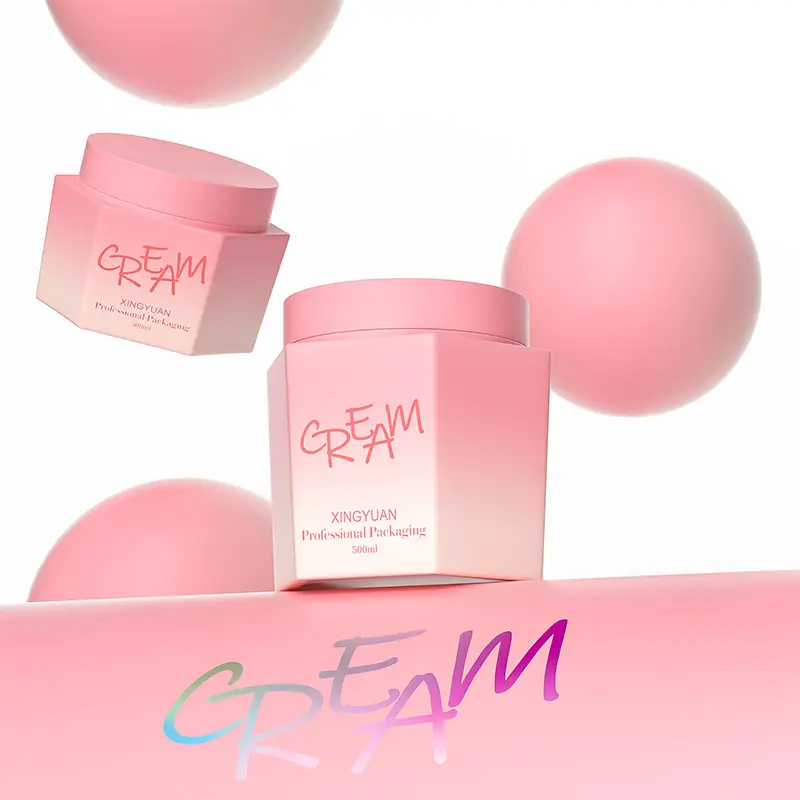
From a marketing perspective, private mold packaging also enables storytelling—brands can embed symbolism, sustainability cues, or cultural inspirations directly into design.
4. Why Is Intellectual Property Protection Critical for Cosmetic Brands?
In a fast-moving market, product imitation is rampant. Without a private mold, a unique packaging concept can easily be copied or slightly altered by competitors.
Owning a private mold acts as a physical layer of intellectual property protection. It prevents unauthorized replication and reinforces exclusivity.
For many brands, especially in emerging markets like Latin America or Asia, this is essential to secure investor confidence and maintain pricing power.By registering design patents and controlling access to the mold, companies effectively safeguard their creative assets.
The case of Marama again highlights this: by maintaining private ownership of their mold, they prevented counterfeit versions from entering regional markets—protecting both reputation and consumer trust.
5. How Does Private Mold Packaging Encourage Innovation?
Private molds open a new frontier for packaging innovation.
- They give engineers and designers the flexibility to integrate new technologies such as:Sustainable materials like PCR plastics or biodegradable resins
- Ergonomic improvements for better grip and usability
- Smart closures that preserve formula freshness or reduce waste
Because the mold is custom-made, brands can prototype new ideas faster.
Suppliers like Comaypack use high-precision CNC and simulation tools to optimize structure and material flow before actual production, shortening development cycles significantly.
In this way, private molds become incubators for creativity, not just manufacturing tools.
6. What Makes Comaypack’s 30-Day Mold Production So Competitive?
Speed to market has become a decisive factor in beauty innovation.
While traditional mold-making can take 45–60 days, Comaypack’s rapid production system delivers new molds in just 30 days—roughly 30% faster than the industry average.
This acceleration comes from integrated R&D and digital manufacturing.
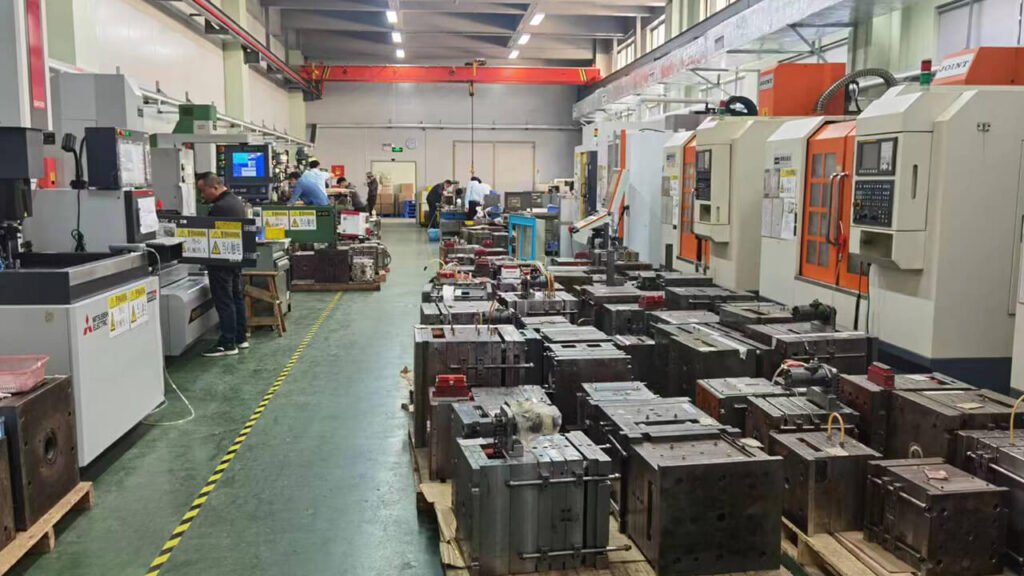
From CAD modeling to trial injection, every step is streamlined under one roof.For brands, this means:
- Quicker product launches
- Faster response to design trends
- Reduced production cost per unit
In addition, Comaypack provides flexible MOQ (minimum order quantity) policies, enabling startups and indie labels to enter the market without heavy financial risks.
7. What’s the Difference Between Private Label and Private Mold in Cosmetics?
The terms are often confused, but they refer to different concepts:
| Aspect | Private Label | Private Mold |
| Definition | A ready-made product manufactured by one company but sold under another brand’s name. | A custom-designed packaging mold owned exclusively by one brand. |
| Control | Limited to branding and formulation. | Full control over packaging design and production. |
| Ownership | Brand does not own product rights. | Brand owns the mold (physical asset). |
| Purpose | Quick market entry with pre-made products. | Long-term brand differentiation and protection. |
In essence, private label builds business presence quickly, while private mold builds brand legacy.
8. How Are Leading Global Cosmetic Brands Using Custom Packaging to Strengthen Identity?
The world’s top beauty houses understand that packaging equals brand perception.
- L’Oréal integrates ergonomic design with eco-conscious materials, promoting innovation and sustainability together.
- Estée Lauder leverages packaging as part of its luxury storytelling, investing heavily in unique bottle shapes.
- Fenty Beauty uses geometric packaging to symbolize inclusivity and modern identity.
- NARS employs matte black minimalist molds that convey timeless elegance.
Each of these brands demonstrates how private mold design creates emotional recognition, translating visual style into brand value.
9. What Role Will Private Molds Play in the Future of Beauty Packaging?
The future of beauty packaging is moving toward personalization, sustainability, and smart manufacturing—and private molds are at the center of this evolution.
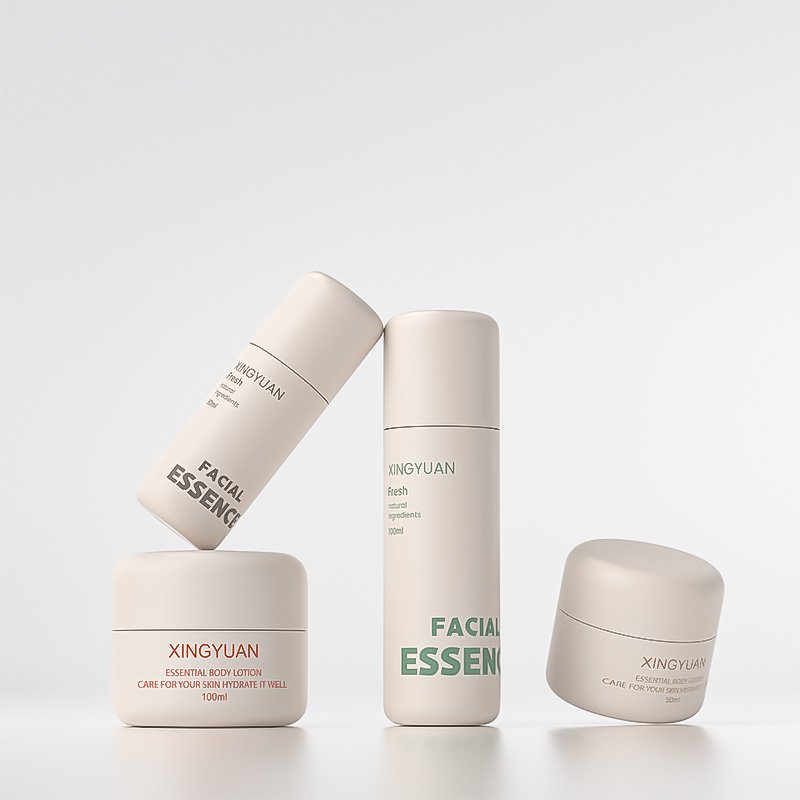
Emerging trends include:
- Modular molds that allow interchangeable components for product families.
- Eco-friendly materials like refillable glass and bioplastics designed through customized tooling.
- AI-assisted mold design for optimizing form, function, and material flow.
Private molds will also enable mass customization, where brands tailor packaging to regional tastes or limited editions—combining exclusivity with flexibility.
For OEM/ODM manufacturers, mastering private mold development becomes not only a service but a strategic partnership opportunity.
Summary
Private molds are transforming beauty packaging from a functional necessity into a strategic asset. They empower brands to protect creativity, accelerate innovation, and build enduring identities. In today’s competitive beauty industry, those who own their design destiny through private molds will lead tomorrow’s global market.