
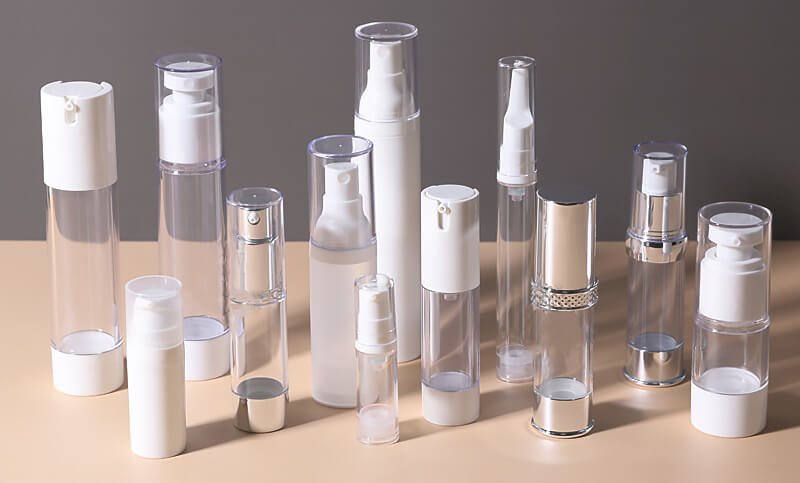
In the race toward sustainability, every hair care brand faces one crucial choice — what material should hold their formula? From lightweight plastics to timeless glass and endlessly recyclable aluminum, each option carries trade-offs in carbon footprint, recyclability, and brand perception.
From our years of experience working with hair care brands worldwide, we’ve learned that no single packaging material wins across all criteria. Plastic offers flexibility and cost-efficiency, glass delivers premium feel but raises transport emissions, and aluminum balances circularity with durability. The right choice depends on your brand’s values, product type, and market strategy.
After thousands of client projects and packaging trials, we’ve seen firsthand how real-world priorities — not just environmental ideals — determine which material performs best.
Our Perspective: What We’ve Learned from Years of Supplying Hair Care Brands
As a professional packaging manufacturer, we’ve supported both global brands and independent labels across every segment of the hair care industry — from mass-market shampoos to high-end hair oils.
Over time, one truth became clear: sustainability is not about “perfect materials,” but about finding balance between performance, cost, and brand story.
Here’s what we’ve observed through real collaboration and customer feedback.
Plastic: Still the Most Practical and Evolving Option
Among our clients, plastic remains the most requested material — not because it’s the easiest, but because it’s the most adaptable.
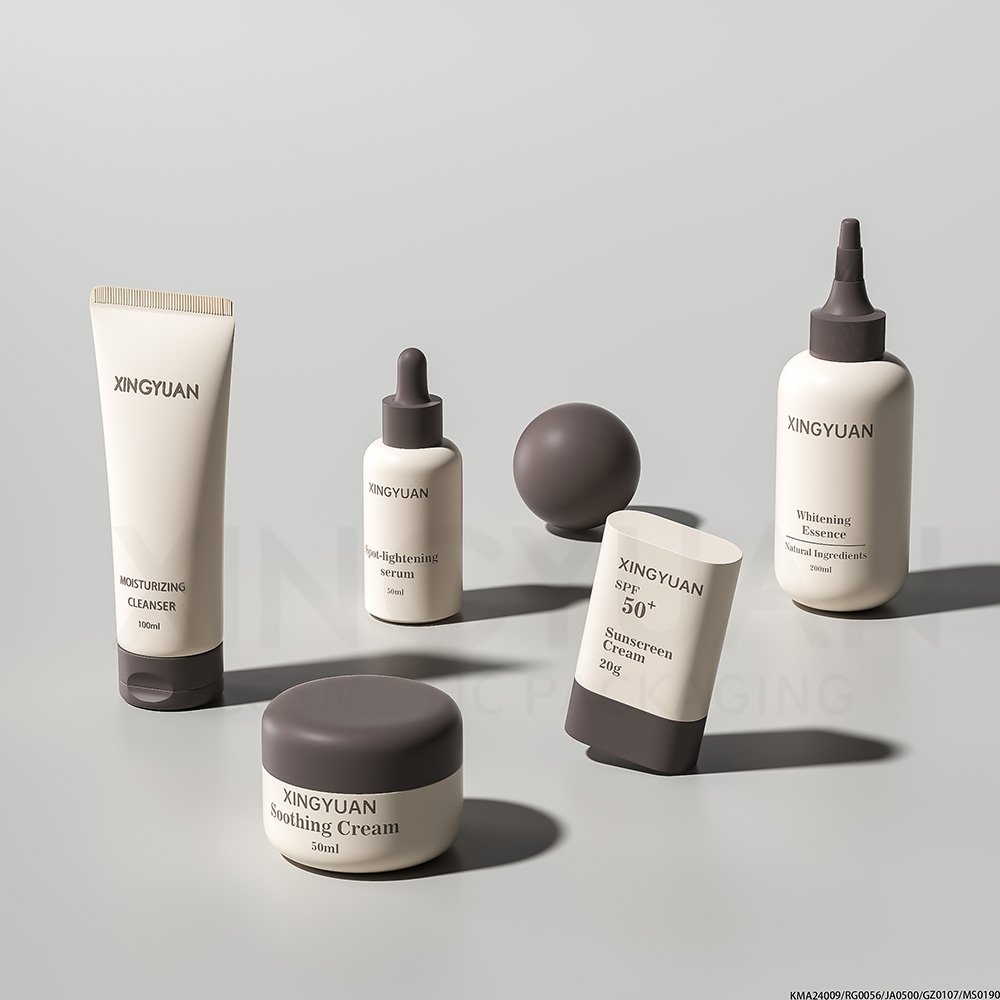
Brands choose plastic when:
- Weight matters (for e-commerce and global shipping).
- Durability is essential (for salon or shower environments).
- Unit cost control is critical for competitive retail pricing.
Our long-term customers often tell us that recycled PET (PCR PET) offers the best compromise: it reduces virgin material use while maintaining clarity and strength.
We’ve also supplied bioplastic bottles made from sugarcane and cornstarch blends for clean-beauty brands that want to move closer to compostable solutions. However, we always advise clients that “biodegradable” doesn’t automatically mean “better” — actual disposal conditions vary by country.
What’s clear is that plastic’s story is evolving. With proper design and recycling infrastructure, it remains a practical, scalable solution for brands balancing sustainability with cost-efficiency.
Glass: Loved for Its Beauty, Limited by Its Weight
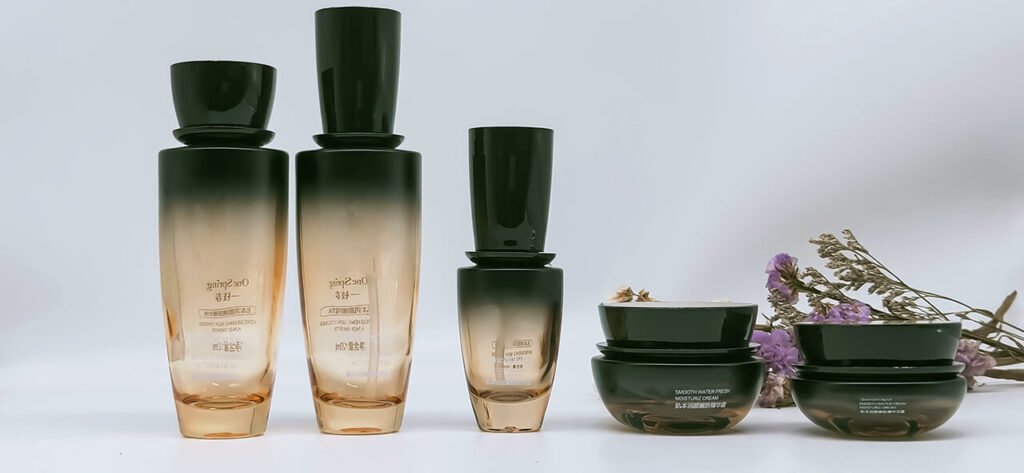
When we work with premium or boutique hair care brands, glass often becomes their first choice — and we understand why. It looks luxurious, feels solid, and protects formulations naturally.
Many of our customers in the hair oil and serum segment prefer amber glass bottles for UV protection and an elegant shelf presence. They often tell us that glass helps communicate “purity” and “trustworthiness” — two key emotional drivers in the clean beauty market.
However, clients also learn quickly that glass packaging requires careful logistical planning.
- It’s heavy, raising shipping emissions and costs.
- It’s fragile, increasing breakage risk in global transport.
- It needs secondary protection, such as cartons or partitions.
One brand we partnered with switched from full-glass shampoo bottles to refillable plastic pouches — reducing weight by 75% and transport CO₂ by 60%. They now use glass only for their high-value hair oil line, maintaining a premium image while improving efficiency.
In short: glass elevates brand identity but demands operational discipline.
Aluminum: The Most Circular Choice, Rising in Popularity
In the past three years, aluminum packaging has grown from niche to mainstream among our clients. Brands love it for its lightweight strength and its reputation for sustainability.
From a manufacturer’s view, aluminum is highly versatile. It works for both shampoo and conditioner bottles, as well as refill systems. Its barrier properties protect natural formulas from light and air, extending shelf life.
Clients tell us aluminum communicates “modern sustainability” — it feels upscale yet practical.
Still, we always explain that aluminum’s eco-benefit depends on recycling. Producing virgin aluminum consumes much more energy than plastic or glass, but once recycled, it becomes the most circular material available.
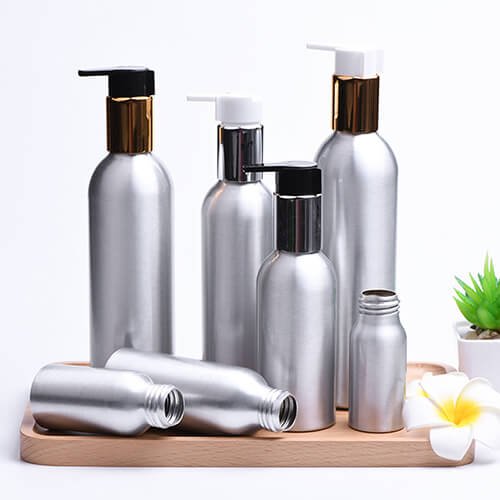
Brands like Davines and Love Beauty and Planet have already validated this direction with refillable aluminum hair care lines. From our production side, we’ve seen aluminum become a reliable option for brands seeking durability, portability, and carbon efficiency.
What Our Clients Say: Comparing Real-World Priorities
Through feedback and project data, here’s what clients typically prioritize when choosing materials:
| Brand Type | Top Priority | Material Chosen | Key Reason |
| Mass-market brands | Cost, production speed | Recycled Plastic (PCR PET, HDPE) | Affordable, scalable, recyclable |
| Luxury & salon brands | Brand perception | Glass | Visual appeal, tactile experience |
| Eco-conscious brands | Circular economy | Aluminum | Infinite recyclability, refill potential |
Interestingly, more brands are combining materials — such as using aluminum bottles with plastic pumps or glass jars with bioplastic lids — to achieve both functional and sustainable goals.
Environmental Facts We Share with Clients
When clients ask which material is “most sustainable,” we show them lifecycle data:
| Material | Recycling Rate (Global Avg.) | Relative Carbon Footprint | Durability | Key Strength |
| Recycled PET | 30–40% | Low | High | Lightweight, cost-effective |
| Glass | 25–35% | High | Fragile | Premium look, reusable |
| Aluminum | 70–75% | Medium | High | Endlessly recyclable, protective |
We remind them: sustainability isn’t static — it’s tied to local recycling systems and consumer habits. For example, in Europe, aluminum and glass recycling rates are far higher than in emerging markets, which affects the overall life cycle result.
Design and Cost Considerations We See in Practice
Our design team works closely with brand partners to balance sustainability with functionality. Here’s what we’ve learned:
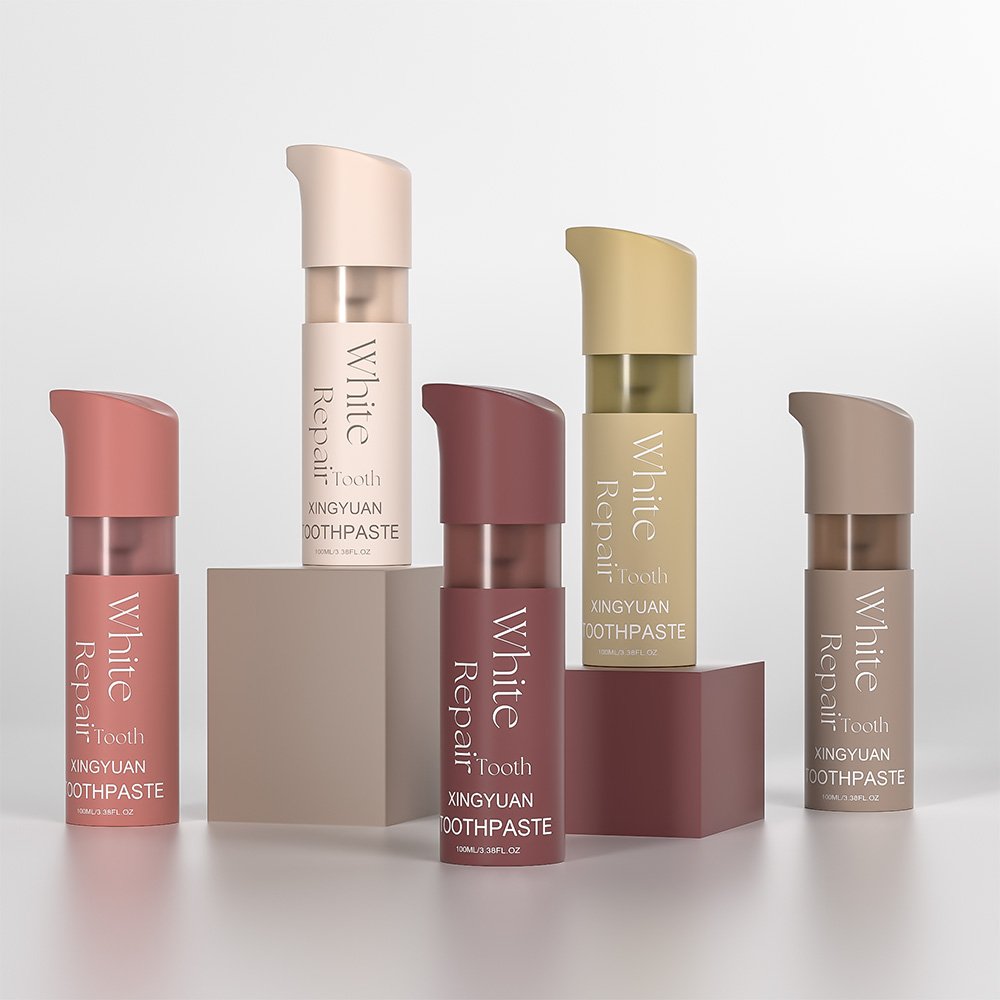
- Plastic offers unmatched creative freedom — shaping ergonomic bottles and bold colors.
- Glass delivers instant brand elevation but increases logistics cost by up to 40%.
- Aluminum offers a minimalist, durable look that aligns with modern sustainability trends.
In cost terms, we’ve observed:
- Plastic remains the most economical (especially for high-volume products).
- Aluminum sits in the middle range.
- Glass is often reserved for niche or prestige SKUs due to higher mold and freight costs.
Our Recommendation: Design with Lifecycle in Mind
Over time, we’ve shifted our advice from “choose the right material” to “design for the right lifecycle.”
- A truly sustainable system considers:Material sourcing (recycled or virgin).
- Manufacturing energy and transportation footprint.
- Consumer use and reuse patterns.
- End-of-life recycling success.
In our experience, the most successful brands integrate refill systems or modular designs, allowing packaging to live multiple lives — regardless of whether it’s made of plastic, glass, or aluminum.
Conclusion: The Smartest Choice Is the Most Informed One
After years of collaborating with hair care brands worldwide, w’ve learned that sustainability is not a competition between materials — it’s a journey of improvement.
Each option — plastic, glass, aluminum — plays its part. What truly matters is how thoughtfully it’s designed, sourced, and reused.
When clients make decisions based on facts and practicality rather than trends, they achieve sustainability that lasts — for their business, their customers, and the planet.
Summary
From our manufacturing perspective, each material offers unique benefits. Plastic delivers accessibility, glass conveys elegance, and aluminum ensures circularity. True sustainability in hair care packaging comes from making informed choices — matching material properties with brand goals, logistics realities, and long-term reuse potential.
About Comaypack
With over 15 years of experience in sustainable packaging manufacturing, Comaypack has helped hundreds of hair care and beauty brands transition toward smarter, greener packaging systems.
From material selection to custom mold design and refillable innovation, our goal is to turn every packaging choice into a sustainable advantage — for your brand and for the planet.