
Every cosmetic brand wants to stand out. But with countless similar bottles and jars in the market, packaging alone can blur one brand into another. A private mold transforms that limitation into freedom—granting complete design control, exclusivity, and faster production from concept to shelf.
A private mold in cosmetic packaging is an exclusive manufacturing tool made for one brand’s use only. It allows total customization of shape, size, texture, and functionality, ensuring no competitor can replicate the design. By owning a private mold, brands gain full creative control, protect their intellectual property, and achieve long-term cost efficiency through repeated production of unique, premium-quality packaging.
To understand why private molds are becoming essential, let’s look at what they are, how they’re made, and why they’re reshaping the future of cosmetic packaging.
1. What Exactly Does “Private Mold” Mean in Cosmetic Packaging?
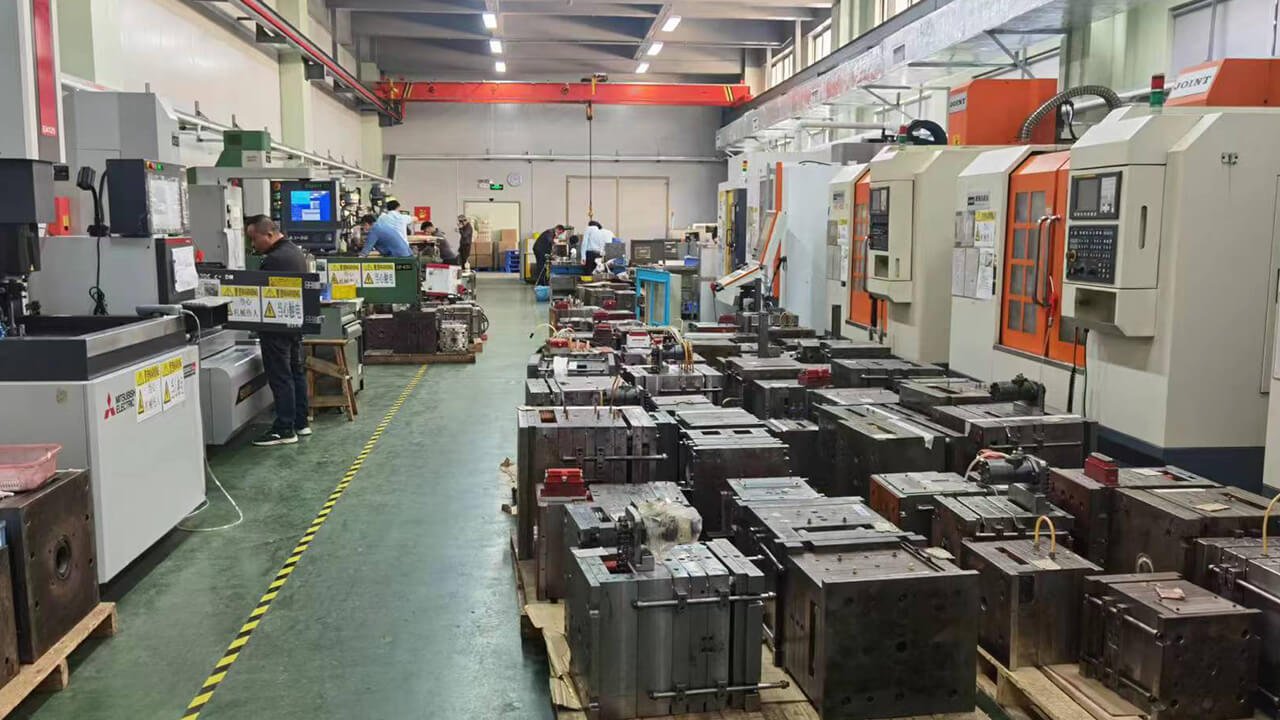
A private mold is a precision-engineered metal tool—usually made of steel or aluminum—used to produce packaging components like jars, bottles, caps, or pumps.
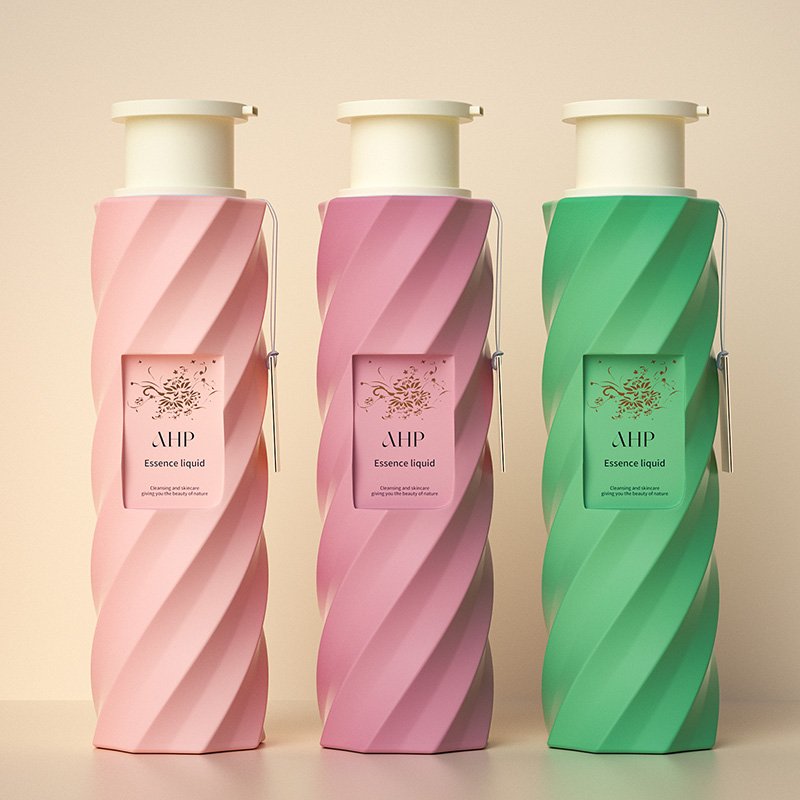
Unlike public or stock molds shared by many clients, a private mold is exclusive. It belongs entirely to the brand that commissions it.
This means:
- The brand controls every design detail.
- The mold cannot be used for other clients.
- The resulting packaging becomes a visual signature unique to that brand.
In essence, owning a private mold means owning a packaging identity—not just a container.
2. How Are Private Molds Used in the Cosmetic Industry?
Private molds appear in almost every beauty category.
They’re behind the elegant curve of a serum bottle, the magnetic snap of a lipstick cap, and the smooth edge of a compact case.Cosmetic manufacturers use private molds to:
- Create distinct designs for skincare, makeup, and fragrance lines.
- Maintain consistent branding across different product types.
- Optimize packaging for function (e.g., airless pumps, refill systems).
By integrating aesthetics with engineering, private molds bridge the gap between design creativity and manufacturing precision.
3. What Are the Benefits of Using a Private Mold?
The value of a private mold extends far beyond looks. It influences efficiency, protection, and long-term brand equity.
| Benefit | Impact on Brand |
| Exclusive Design Ownership | Guarantees no other brand can duplicate the same packaging. |
| Intellectual Property Security | Prevents imitation and supports patent registration. |
| Enhanced Market Positioning | Distinctive appearance improves shelf appeal and consumer recall. |
| Cost Efficiency Over Time | One mold can produce millions of identical pieces, reducing per-unit costs. |
| Faster Product Launches | Once the mold exists, new orders require only minimal setup time. |
| Stronger Sustainability Control | Enables integration of recyclable materials or refillable mechanisms. |
In competitive markets, such advantages directly translate into profitability and brand strength.
4. How Is a Private Mold Created? (Step-by-Step Process)
The development process typically follows these professional stages:
Concept Design → 3D Modeling → Prototype Sampling → Steel Cutting → Mold Testing → Mass Production

Step 1: Concept Design
The client provides sketches, dimensions, or mood boards that express the brand’s desired style and functionality.
Step 2: 3D Modeling
Design engineers build detailed CAD drawings, simulate wall thickness, thread fit, and closure systems.
Step 3: Prototype Sampling
A 3D-printed prototype or CNC sample is made for physical evaluation and functional testing.
Step 4: Steel Cutting
Once approved, high-precision machines carve the mold from hardened steel or aluminum blocks.
Step 5: Mold Testing
Injection molding trials verify structural stability, material flow, and finishing accuracy.
Step 6: Mass Production
The final mold produces thousands—or even millions—of identical components efficiently.
⏱ Typical timeline: 30–45 days from design to completion, depending on complexity.
5. What Materials Can Be Used for Private Mold Packaging?
Private molds accommodate diverse materials based on design goals and sustainability priorities:
| Material Type | Common Use | Key Features |
| PET / PETG | Bottles, sprayers | Clear, lightweight, recyclable |
| PP / PE | Jars, tubes, closures | Durable, versatile, affordable |
| ABS / AS | Decorative caps, makeup cases | High gloss, rigid, premium look |
| Glass | Perfume bottles, skincare jars | Luxury appeal, 100% recyclable |
| Aluminum | Sustainable skincare packaging | Lightweight, corrosion-resistant |
| PCR Plastics | Eco-focused packaging | Reduces carbon footprint |
This flexibility allows brands to design packaging that aligns with aesthetic, functional, and environmental goals.
6. Private Mold vs Stock Packaging: Which Should You Choose?
For brands evaluating investment options, here’s a practical comparison:
| Feature | Private Mold Packaging | Stock Packaging |
| Design Ownership | Exclusive to one brand | Shared among many brands |
| Initial Cost | Higher (one-time investment) | Lower (no tooling cost) |
| Brand Differentiation | Strong, unique identity | Limited, often generic look |
| Production Lead Time | 30–45 days for mold creation | Ready-to-order |
| Flexibility | Fully customizable | Fixed shapes and sizes |
| IP Protection | Yes, legally defensible | No, open to duplication |
🟢 Conclusion:
Stock packaging is suitable for startups testing the market.
But as a brand grows, investing in a private mold is the only way to ensure long-term ownership and exclusivity.
7. How Do Private Molds Help Small Cosmetic Businesses Compete?
Today’s manufacturing technology allows even small cosmetic brands to benefit from private molds.
- Many suppliers now offer:Low minimum order quantities (MOQ)
- Rapid prototyping
- Flexible payment schedules
This democratizes design—allowing emerging beauty labels to compete with global names using packaging that feels premium, custom, and proprietary.
In the era of digital-first marketing, unique packaging isn’t just decoration—it’s an asset that amplifies online brand recognition.
8. What to Avoid When Developing a Private Mold
Even experienced brands can make mistakes during mold development. Here are common pitfalls:
- Unclear specifications: Always finalize dimensions and tolerance early.
- Ignoring material compatibility: Design aesthetics must match the resin’s behavior.
- Skipping prototype testing: Small errors at this stage can cause mass-production flaws.
- Overcomplicating design: Complex shapes increase cost and reduce efficiency.
- Poor communication with manufacturer: Consistent feedback ensures both parties align on goals.
Avoiding these issues saves time, money, and ensures smoother scaling in production.

9. How to Start Your Own Private Mold Project
If you’re planning to transition from stock packaging to private molds, follow this roadmap:
- Define Your Brand Vision – Identify what visual elements define your identity.
- Select Trusted Manufacturers – Choose suppliers experienced in beauty packaging molds.
- Request 3D Concept Drawings – Evaluate ergonomics and aesthetics.
- Approve Material and Finish Samples – Match texture, gloss, and color expectations.
- Begin Mold Production – Expect a 30–45 day timeline from approval to first run.
- Test and Launch – Validate performance, then proceed to mass production.
This process transforms creative concepts into tangible, market-ready packaging in record time.
Summary
Private molds redefine what’s possible in cosmetic packaging. They secure ownership, deliver originality, and elevate brand presence in a competitive market. For any beauty brand ready to grow, private molding isn’t just a design choice—it’s a strategic investment in long-term identity and value.