
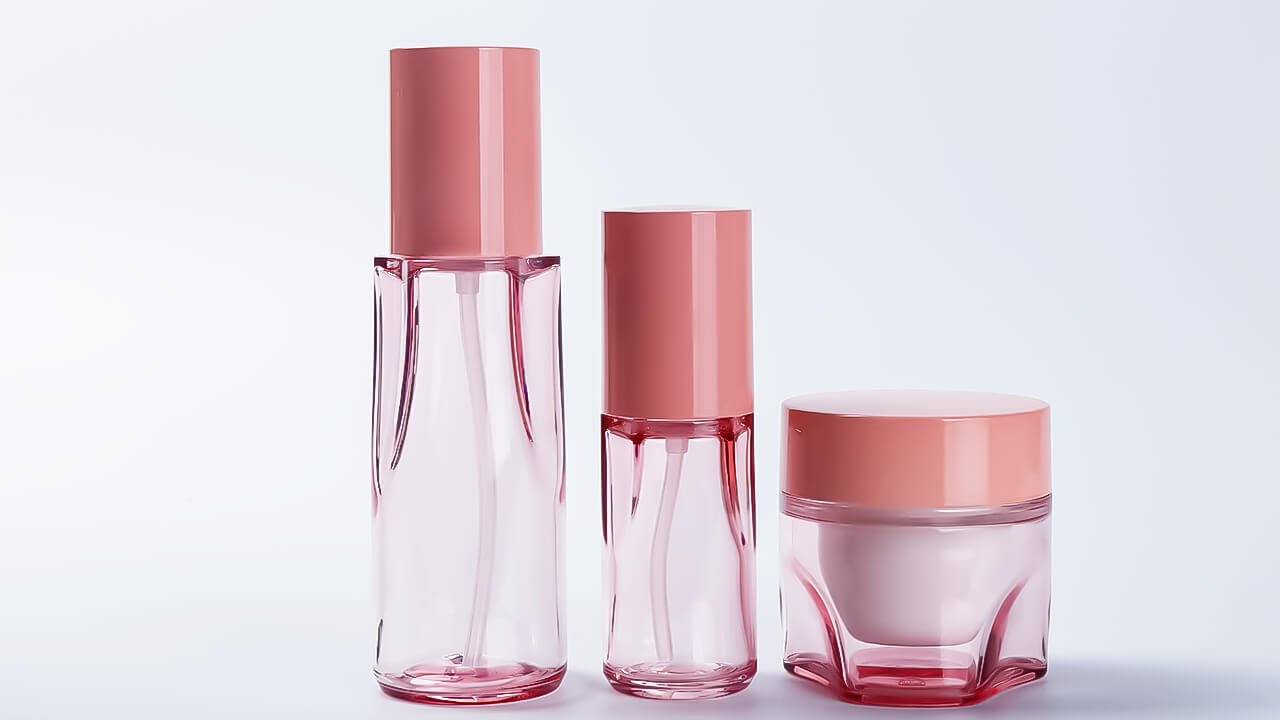
Private mold packaging is often seen as expensive—but is it really? Many brands hesitate because of upfront tooling fees. Yet when viewed strategically, private molds can deliver long-term savings, faster launches, and stronger market positioning that far outweigh the initial cost.
A private mold for cosmetic packaging typically costs between $7,000 and $40,000, depending on design complexity, material, and finish precision. While this may seem high, private molds are long-term assets that reduce per-unit costs, secure brand exclusivity, and support mass production. Over multiple production runs, the initial investment quickly transforms into measurable profit and brand equity.
Let’s explore the true financial picture behind private mold packaging—where cost meets value, and investment builds lasting differentiation.
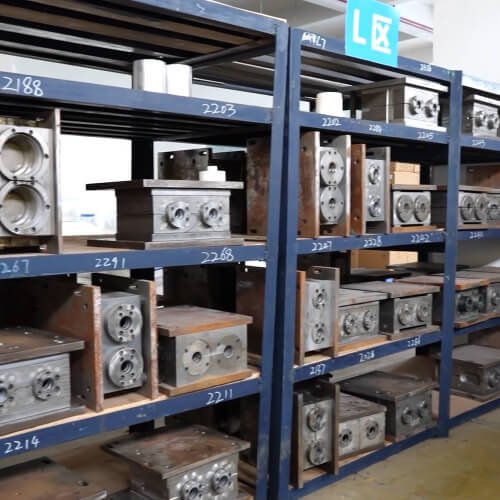
1. Why Brands Misjudge the Cost of Private Mold Packaging
Many brands perceive private molds as a heavy expense because the upfront tooling fee looks intimidating.
However, this view misses the long-term perspective—private molds aren’t consumables; they’re production assets that can run millions of cycles over years.
The cost must be viewed like investing in equipment—once paid, it keeps producing profit.
2. Understanding the Cost Structure of Private Mold Packaging
The total cost of a private mold project can be divided into several stages:
| Cost Component | Description | Typical Range (USD) |
| Design & Engineering | CAD modeling, structural optimization | $500–$2,000 |
| Prototype Sampling | 3D printing or CNC sample verification | $300–$1,000 |
| Tooling (Mold Creation) | CNC machining in steel/aluminum | $7,000–$40,000 |
| Material Testing & Adjustments | Trial runs, finish calibration | $500–$2,000 |
| Mass Production Setup | Mold installation, injection molding prep | $300–$800 |
| Total Estimated Investment | Depends on size & complexity | $8,000–$45,000 |
🧠 Tip: Simple cylindrical containers cost less; multi-part compacts or pumps require more complex molds.
3. Comparing Private Mold vs Stock Packaging: Cost vs Value
| Criteria | Private Mold | Stock Packaging |
| Upfront Cost | $8,000–$45,000 (one-time) | $0 (shared mold) |
| Unit Cost | $0.30–$1.00 (high volume) | $0.50–$2.00 |
| Ownership | 100% exclusive | Shared by market |
| Design Flexibility | Unlimited | Limited shapes/sizes |
| Brand Recognition | High, unique identity | Generic appearance |
| IP Protection | Strong | None |
| Sustainability | Can integrate recyclable materials | Limited choices |
🟢 Insight:
Over 3–5 years, private molds pay back through lower per-unit costs, brand value, and long-term reusability.
4. Calculating Return on Investment (ROI)
Consider this example:
| Scenario | Stock Packaging | Private Mold Packaging |
| Units Produced | 500,000 | 500,000 |
| Unit Cost | $0.90 | $0.60 |
| Mold Cost | $0 | $25,000 |
| Total Spend | $450,000 | $325,000 |
| Savings | – | $125,000 saved after first run |
Even after factoring in mold cost, the brand saves money by the first production run.
By the second run, the mold is fully amortized—everything beyond that is profit.
5. Time-to-Value: Faster Development, Faster Return
Modern mold manufacturing technology has shortened the cycle from concept to finished mold to just 30–45 days.
That means faster launches, quicker market feedback, and shorter time to ROI.
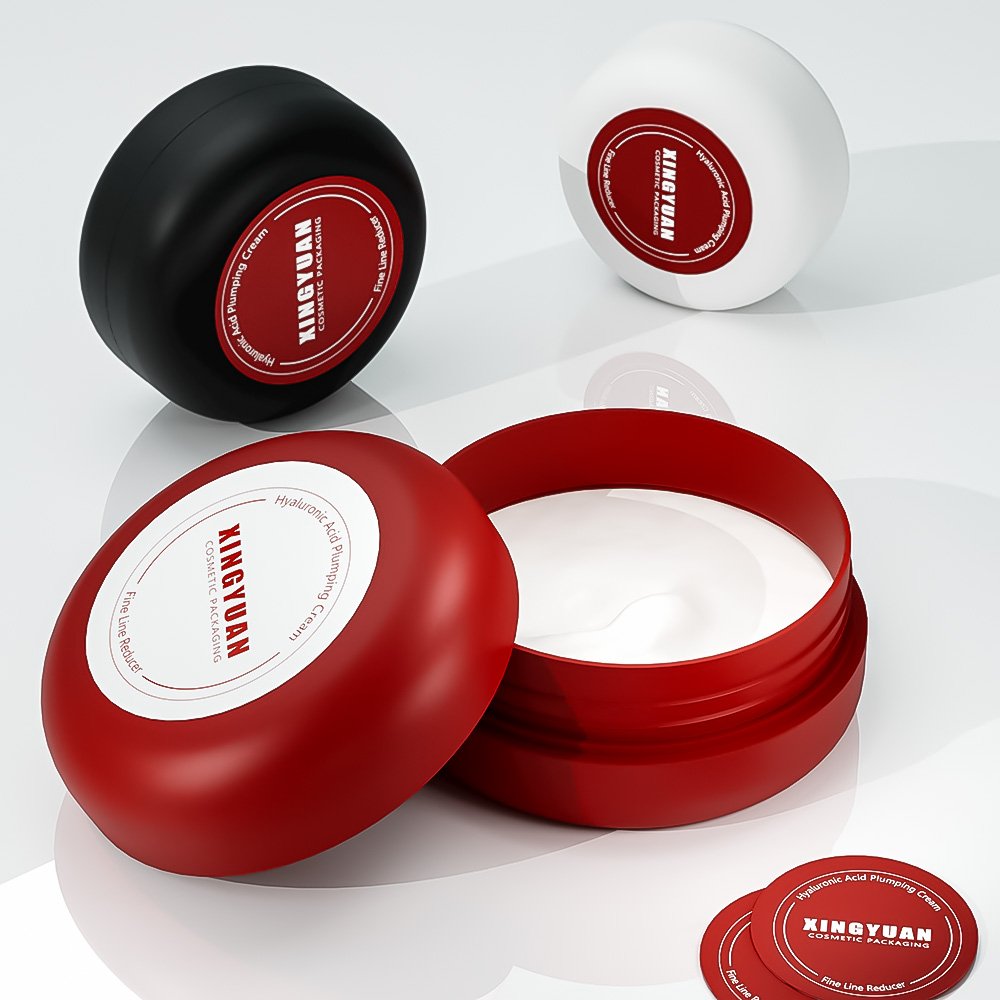
Speed has become a hidden financial advantage—reducing opportunity cost while competitors still wait for their stock supplier’s next design cycle.
6. How Material Choice Impacts Cost
Material decisions influence both mold complexity and per-unit expenses:
| Material | Impact on Mold Cost | Notes |
| PP / PE | Low | Easy to mold, affordable for mass market |
| PET / PETG | Medium | Requires clarity & precise wall thickness |
| ABS / Acrylic | High | Needs fine polish, premium look |
| Glass / Metal | Higher | Involves specialized tooling or secondary finishing |
Selecting materials early in the design process helps avoid unnecessary retooling or misalignment between brand vision and manufacturing cost.
7. Cost Optimization Strategies for Private Mold Projects
- Standardize dimensions where possible – Use existing neck sizes or closure threads to reduce complexity.
- Bundle production runs – Ordering multiple components in one tooling cycle saves setup cost.
- Plan scalability – Design molds that can accommodate future product extensions.
- Integrate sustainability early – Reusable molds and PCR materials save both money and reputation.
- Negotiate shared mold ownership – For startups, co-owning a mold between two SKUs can reduce entry cost.
8. Why Private Molds Should Be Seen as Long-Term Assets
Financially, private molds can last 3–10 years, depending on material and maintenance.
Each run spreads the initial tooling cost thinner, while maintaining consistent product quality.
Unlike marketing campaigns that expire, a private mold keeps generating tangible ROI over time—forming a foundation for scalable manufacturing.
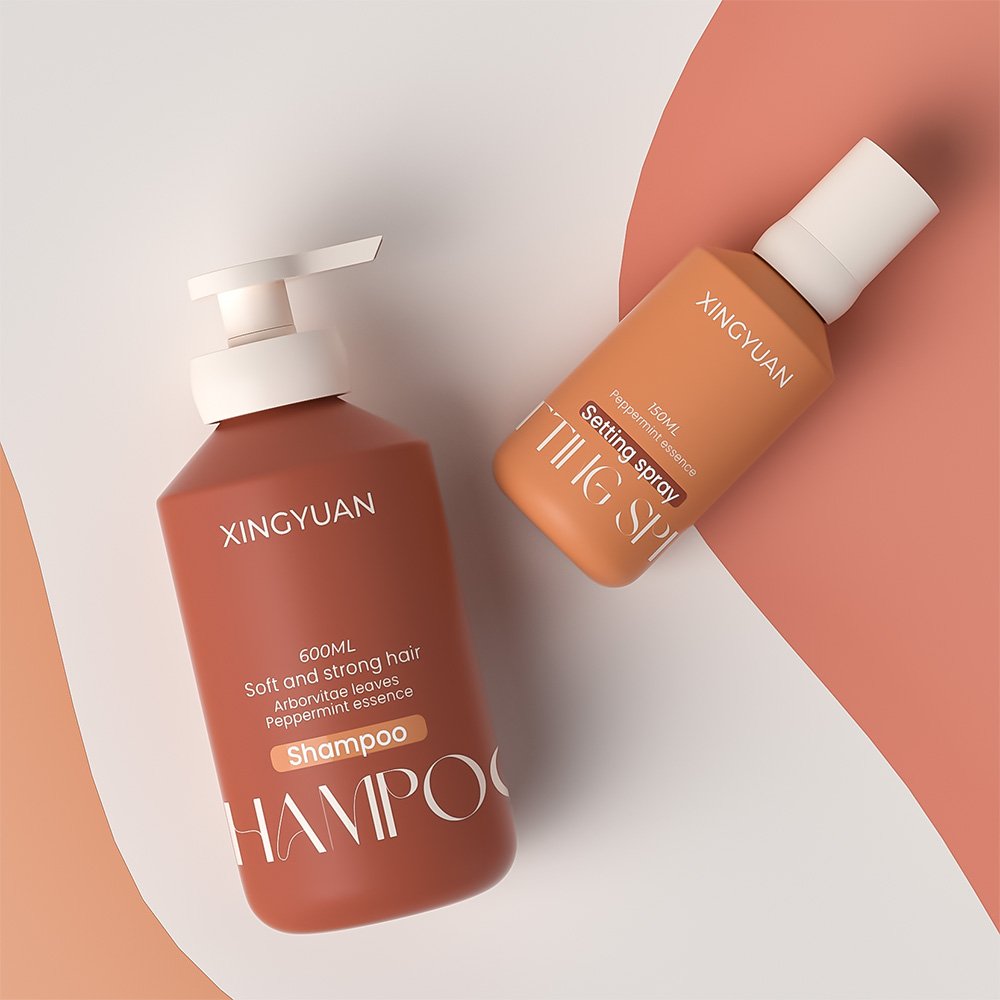
9. The Strategic Payoff: Beyond Numbers
Private molds go beyond cost—they build brand equity.
They enable packaging that aligns perfectly with identity, story, and premium positioning.
In the beauty industry, where first impression defines loyalty, that uniqueness converts directly into customer value.
In other words: private molds are strategic investments disguised as costs.
Summary
The real cost of private mold packaging isn’t in the money—it’s in the missed opportunity if you don’t invest. When seen strategically, a private mold delivers faster payback, brand control, and long-term manufacturing efficiency that no stock packaging can match.