
Introduction
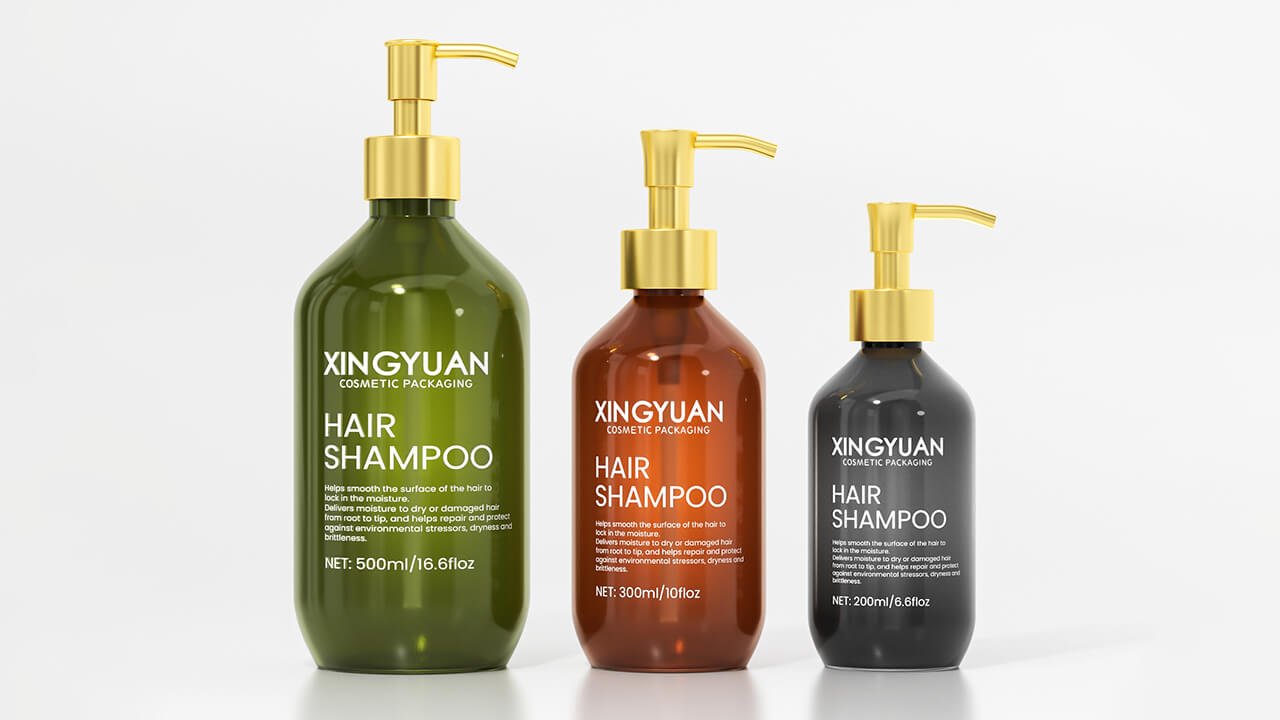
Choosing the right shampoo bottle packaging is more complex than it looks. Brands must balance aesthetics, cost, and sustainability — all while keeping the formula safe and appealing to eco-conscious consumers. The challenge? Finding a design that performs as well as it looks. Let’s explore what defines the best modern plastic shampoo bottle.
Plastic hair shampoo bottles remain the most popular packaging choice due to their lightweight nature, durability, and design versatility. Modern innovations now combine recycled and biodegradable plastics, refillable bottle systems, and creative customization options to meet sustainability goals and enhance private-label branding opportunities.
From materials to market trends, the evolution of plastic shampoo bottles reflects how sustainability and storytelling now go hand in hand in packaging design.
Why Are Most Hair Care Bottles Made from Plastic?
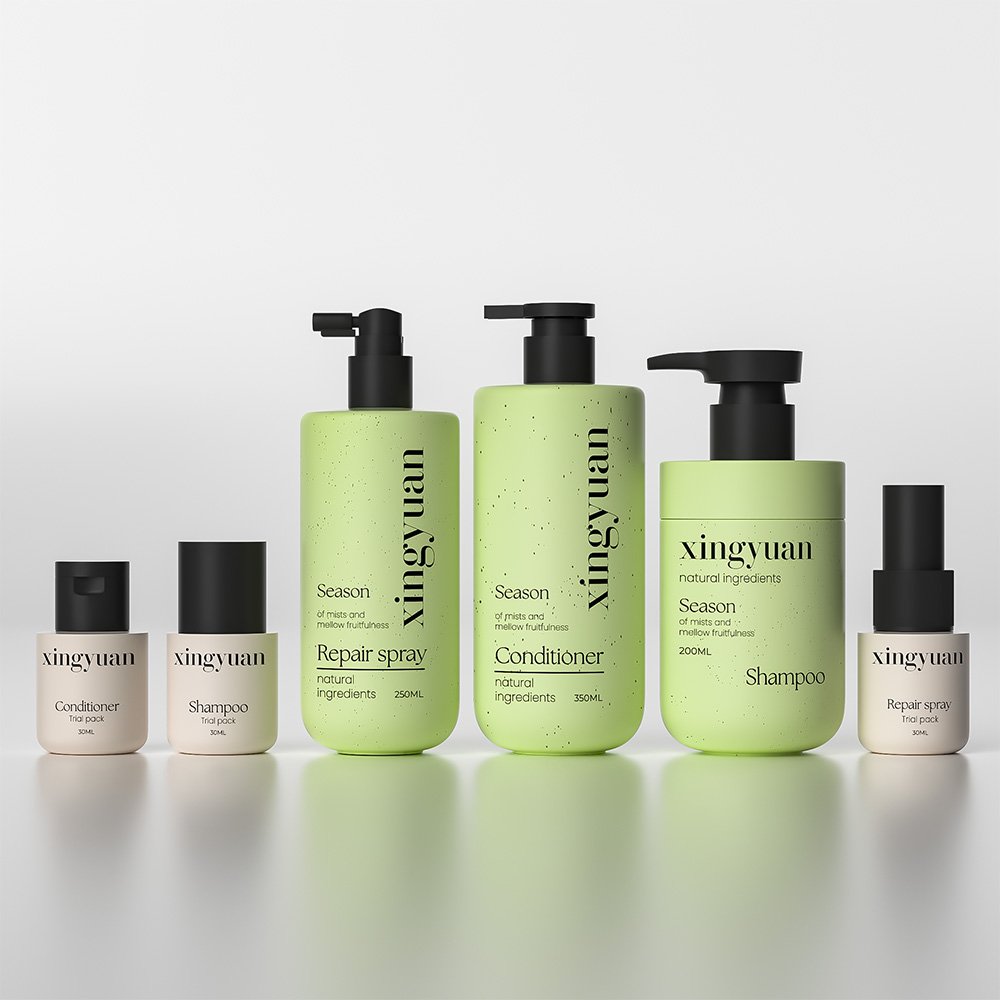
Plastic has dominated hair care packaging for decades — and for good reason. Materials like PET (polyethylene terephthalate), HDPE (high-density polyethylene), and PP (polypropylene) are lightweight, affordable, and extremely moldable.
They allow unique shapes, custom colors, and ergonomic forms that both appeal to consumers and protect the formula inside. Unlike glass, which can break easily, plastic bottles are impact-resistant and travel-friendly — an important factor for global beauty brands.
Beyond practicality, plastics support mass customization, allowing private-label shampoo bottle suppliers to offer tailored designs, logos, and labeling that reflect each brand’s identity.
💡 Pro Tip: Many brands now use PCR (Post-Consumer Recycled) PET to maintain plastic’s benefits while reducing environmental footprint.
What Are the Best Sustainable Materials for Shampoo Bottles?
The shift toward sustainability has redefined how brands view plastic. Recycled and renewable materials are no longer niche — they’re expected.
- Recycled PET (rPET): Maintains transparency and strength while cutting virgin plastic use.
- Biodegradable plastics: Made from renewable sources like cornstarch or sugarcane; they decompose faster under composting conditions.
- Compostable bioplastics: Offer an innovative, natural disposal route for single-use packaging.
- Refillable bottle systems: Designed to be reused multiple times with concentrate or refill pouches.
Forward-thinking companies are blending eco-friendly plastic packaging for hair care with high-end design. Brands can now produce biodegradable shampoo bottles that don’t sacrifice shelf appeal — a key differentiator in sustainable beauty markets.
🧴 Example: A transparent rPET bottle with embossed logo and matte-finish pump creates a premium aesthetic while supporting recyclability.
Are Refillable Shampoo Bottles Environmentally Friendly?
Yes — refillable packaging is one of the most impactful shifts in sustainable hair care packaging.
Refill systems reduce single-use waste, minimize shipping emissions, and help brands create a circular packaging economy.
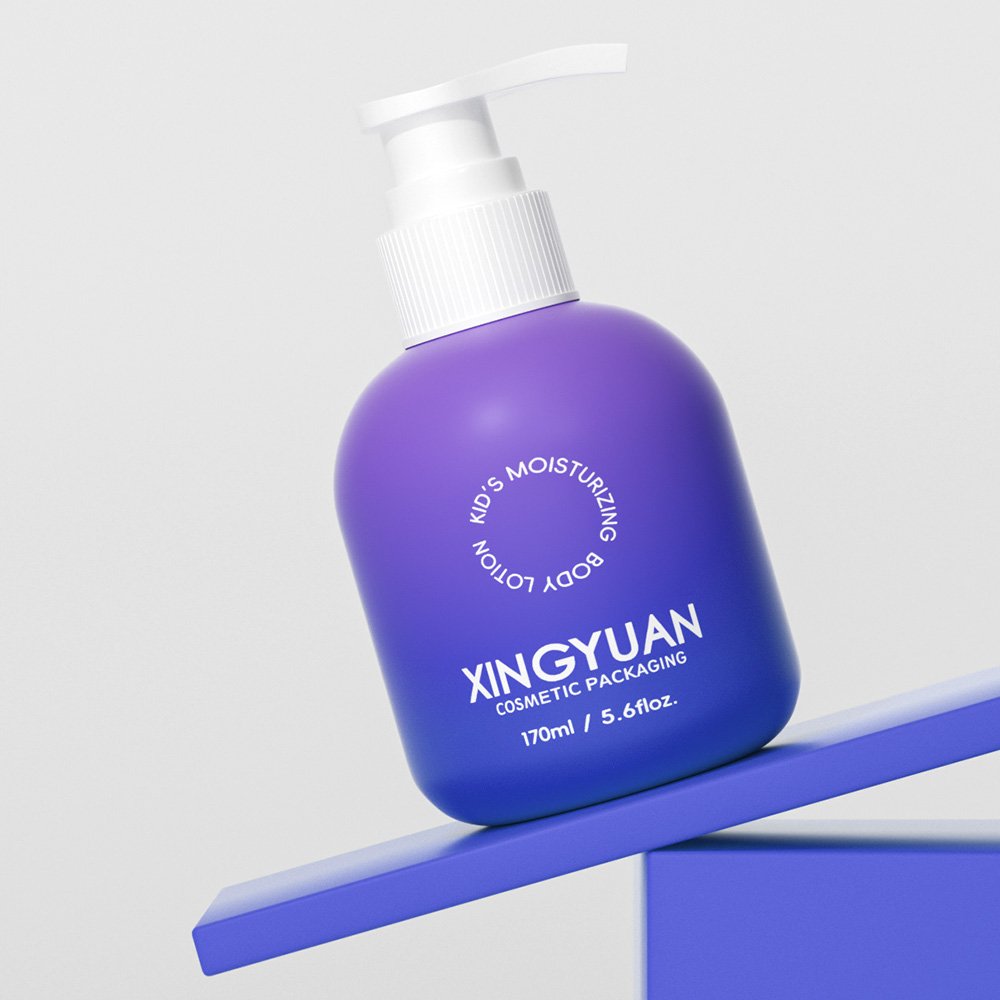
Brands can design refillable shampoo bottle systems where customers purchase a durable main bottle and lightweight refill pouches. This not only saves resources but also builds long-term customer loyalty.
Moreover, refill-friendly materials like HDPE or aluminum shells can be reused over 50 times with minimal degradation.
For private-label brands, offering a refill concept shows innovation and environmental leadership — vital for younger audiences prioritizing green values.
How Can Shampoo Bottle Design Enhance Brand Identity?
A shampoo bottle is more than a container — it’s your brand’s first impression on the shelf.
Design plays a central role in consumer psychology: color, shape, and texture evoke emotion and communicate values.For instance:
- A sleek cylindrical PET bottle with a metallic label signals luxury.
- A frosted HDPE bottle with soft pastel tones suggests natural or gentle formulas.
- A flat rectangular bottle fits modern minimalist branding.
When working with a private label shampoo bottle supplier, brands should explore:
- Custom molds for signature silhouettes
- Hot stamping and silk-screen printing for logos
- Embossed textures for tactile engagement
- Eco-labels made from recycled paper or sugarcane fiber
Custom design not only improves shelf presence but also reinforces trust and professionalism — key to private-label success.
Trends Shaping the Future of Plastic Shampoo Packaging
The future of plastic shampoo bottle design merges functionality with environmental innovation. Let’s explore the biggest trends driving 2025 and beyond:
- Lightweighting: Reducing material thickness while maintaining strength helps cut resin use and carbon emissions.
- Monomaterial bottles: Using a single plastic type (e.g., 100% PET) simplifies recycling and waste sorting.
- Smart packaging integration: Adding QR codes and NFC tags for ingredient transparency and digital storytelling.
- Hybrid materials: Combining bioplastics with post-consumer recycled plastic for both strength and eco performance.
- Texture customization: Matte finishes, soft-touch coatings, and embossed branding give even plastic bottles a premium, sustainable feel.
Brands that embrace these innovations early will stand out — not just for their formulas but for their packaging integrity.
Custom Plastic Shampoo Bottles for Private Label Brands
For private-label brands, packaging defines market positioning. Consumers often associate packaging quality with product effectiveness, so the right design can elevate your brand instantly.
When developing custom plastic shampoo bottles, consider the following:
- MOQ Flexibility: Work with suppliers offering small-batch customization for startups.
- Tooling Options: Invest in custom molds to own your bottle shape — a long-term brand asset.
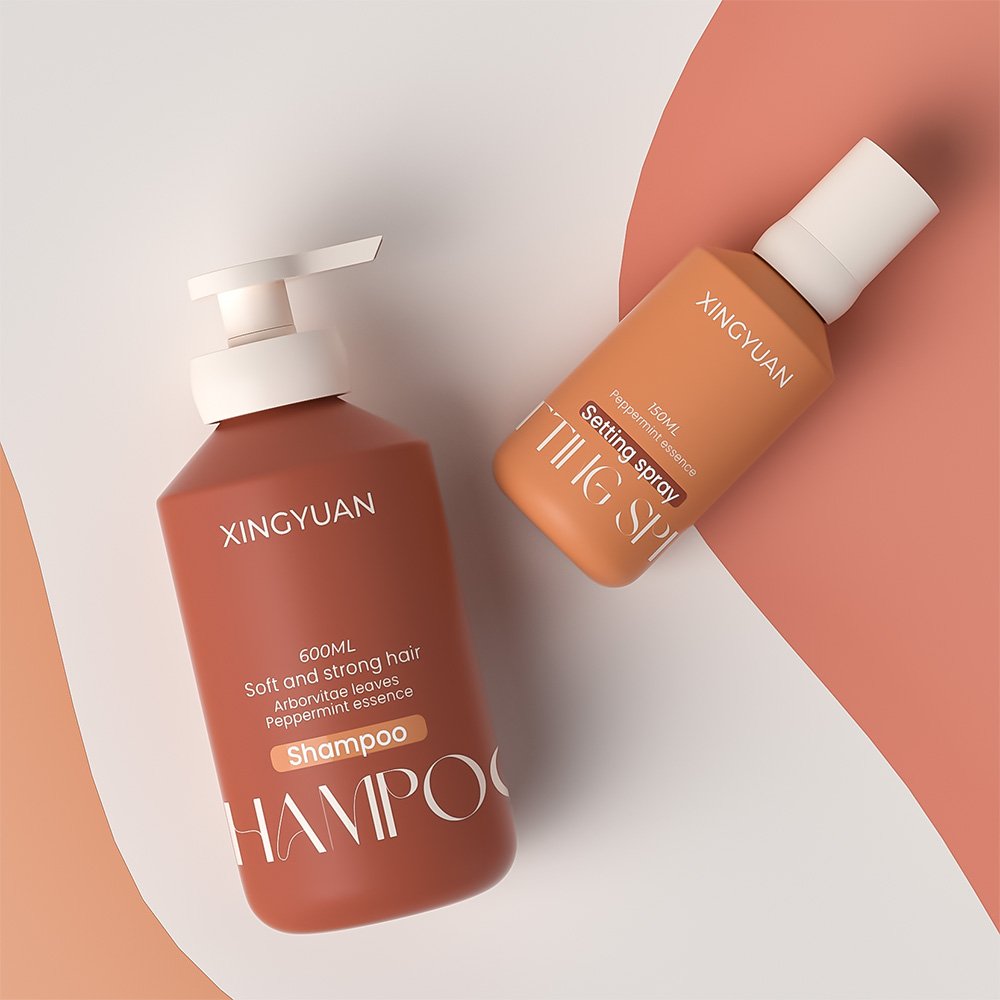
- Decoration Techniques: Combine screen printing, metallic foils, and gradient coloring for premium results.
- Closure Matching: Choose flip-tops, pumps, or disc caps that align with your product’s viscosity and user experience.
Collaborating with a skilled private label shampoo bottle supplier allows you to control design, material, and branding under one umbrella — ensuring every touchpoint reflects your story.
🔍 Tip: Always test your packaging with your actual formula to ensure compatibility and avoid material interaction issues.
Summary
The best plastic hair shampoo bottles combine smart material choices, sustainable design, and distinctive branding. By adopting recycled plastics, refillable systems, and custom molds, private-label brands can build eco-conscious packaging that performs beautifully — inside and out. In today’s market, thoughtful design isn’t just good ethics; it’s smart business.