
Many people love reusing essential oil bottles but struggle to remove leftover oil, labels, or smells. Neglecting proper cleaning can ruin new blends or cause contamination. Don’t worry—there’s a safe, eco-friendly way to clean, sanitize, and reuse your bottles for a sustainable lifestyle.
To clean essential oil glass bottles, remove caps and droppers, soak them in warm soapy water for 15 minutes, and scrub gently with a small brush. Rinse thoroughly and sanitize using a 3:1 mix of water and white vinegar for 10 minutes. Air-dry the bottles upside down on a clean towel until completely dry before reuse. This process removes oil residue, odors, and bacteria, making the bottles safe for new essential oils or homemade blends.
Now let’s explore detailed cleaning techniques, practical reuse ideas, and eco-friendly methods to make every essential oil or dropper bottle last longer while keeping your workspace spotless.
1. How to Clean Essential Oil Glass Bottles
Cleaning essential oil bottles isn’t complicated, but it does require care. Start by removing all parts—the cap, dropper insert, and label. Peel off labels as much as possible. If sticky residue remains, apply a few drops of lemon essential oil or rubbing alcohol on a cloth to dissolve it.
Then, fill a bowl with warm water and a few drops of mild dish soap. Soak the bottles for about 15 minutes. This softens oil residues and helps loosen dirt. Use a small bottle brush or a pipe cleaner to scrub the inside gently, paying attention to the bottle’s neck and threads.
Rinse the bottles thoroughly with warm water to remove any soap. Mix three parts water and one part white vinegar in a clean container, then soak the bottles again for 10 minutes to sanitize. Finally, set them upside down on a towel or drying rack to air-dry naturally.
2. How to Get Essential Oil Smell Out of the Bottle
Even after washing, essential oil bottles can retain a strong aroma—especially from oils like peppermint, eucalyptus, or tea tree. To neutralize odors naturally, fill each bottle with a mix of warm water and one teaspoon of baking soda. Let it sit overnight, then rinse and dry.
Another trick is to soak the bottles in a vinegar-water solution for several hours. Vinegar neutralizes odor molecules without using harsh chemicals. Always make sure the bottles are completely dry before refilling, as lingering moisture can alter the scent of new oils.
3. How to Clean Essential Oil Roller Bottles and Dropper Bottles
Roller bottles and dropper bottles have extra components that require special attention. Disassemble them carefully—remove the roller ball, metal housing, and rubber ring. Soak each part in warm, soapy water and clean them using cotton swabs or a small brush.
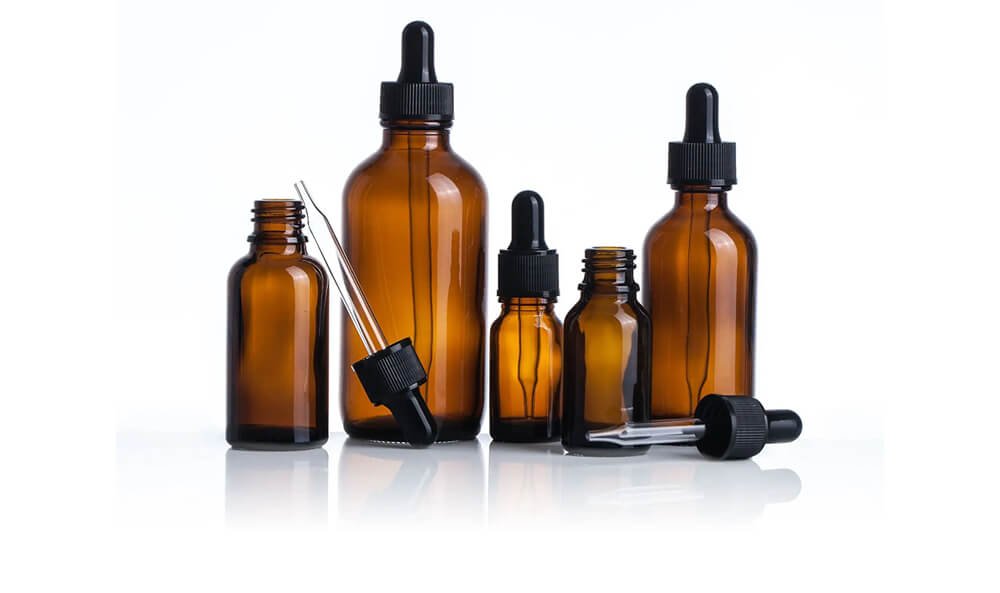
For dropper bottles, detach the rubber bulb and glass pipette. Avoid soaking the rubber top in vinegar or boiling water, as it can deteriorate. Instead, wipe it with a damp cloth and a touch of rubbing alcohol. Rinse all parts thoroughly and allow them to air-dry separately before reassembling.
These steps also apply to dropper bottles used for serums or carrier oils. A well-cleaned dropper ensures accurate dispensing and keeps your mixtures free of old residue.
4. How to Reuse Essential Oil Bottles
Empty essential oil bottles can be repurposed creatively rather than discarded. Here are some ideas:
- DIY Room Sprays: Mix distilled water and a few drops of essential oils in a cleaned dropper bottle.
- Travel Kits: Store small amounts of shampoo, lotion, or blends in mini bottles.
- Diffuser Blends: Place nearly empty bottles upside down in a glass of water to collect the last drops and pour the mixture into a diffuser.
- Craft Projects: Decorate old bottles as miniature vases or display pieces.
When reusing, ensure bottles are completely dry and odor-free. Even a hint of old oil can affect the new formula’s scent and purity.
5. Can Essential Oil Glass Bottles Always Be Reused Safely?
Not all bottles can be reused indefinitely. If the glass is cracked, cloudy, or still smells strongly of a previous oil, it’s better to recycle it. Oxidized residues can mix with new oils and cause skin irritation or spoilage.
Before reusing, inspect every part—the glass, dropper, and cap—for damage or lingering residue. When in doubt, recycle instead of risking contamination. For cosmetic packaging designers, this practice ensures product integrity and safety in every refillable container.
6. Eco-Friendly Ways to Recycle or Repurpose Bottles
Reusing essential oil bottles contributes to waste reduction and sustainability. Glass is infinitely recyclable, meaning it can be remade without losing quality. Before recycling, rinse bottles to remove any oil residue to prevent contamination during the recycling process.
If you’re an eco-conscious consumer or packaging designer, consider refill programs or creating refillable dropper bottle systems for skincare or aromatherapy lines. This not only supports sustainability but also aligns with the growing trend of zero-waste packaging in cosmetics.
For crafters, old bottles can become part of creative DIY projects—tiny bud vases, sample jars, or storage for travel-size liquids.
7. Troubleshooting Common Issues
Essential oil bottle won’t drip?
If your bottle doesn’t dispense properly, the orifice reducer may be clogged. Remove it and soak it in warm water with a drop of dish soap. Rinse thoroughly before reinstalling. Avoid poking the hole with metal pins—it can damage the dropper.
How to clean cooking oil bottle without a brush?
Add warm water, dish soap, and a spoonful of coarse salt to the bottle. Shake vigorously. The salt acts as a gentle abrasive to dislodge residue. Rinse thoroughly.
Can you refill Air Wick essential oil bottles?
Yes, but only if the bottle and wick are clean. Wash thoroughly and ensure no residue remains, as it may alter the new fragrance. Always dry completely before refilling.
8. Extra Tips for Maintaining Bottles and Tools
- Store cleaned bottles in a dry, dust-free cabinet.
- Label each bottle clearly before reuse to avoid mix-ups.
- Keep separate sets for citrus oils, which can degrade rubber parts faster.
- Sanitize dropper bottles regularly if used for skincare formulations.
Summary
Reusing essential oil and dropper bottles is easy, sustainable, and safe with proper cleaning. A few steps—soaking, scrubbing, sanitizing, and drying—make every bottle ready for new blends or eco-friendly projects. Clean carefully, reuse mindfully, and keep your oils and the planet fresh and healthy.