
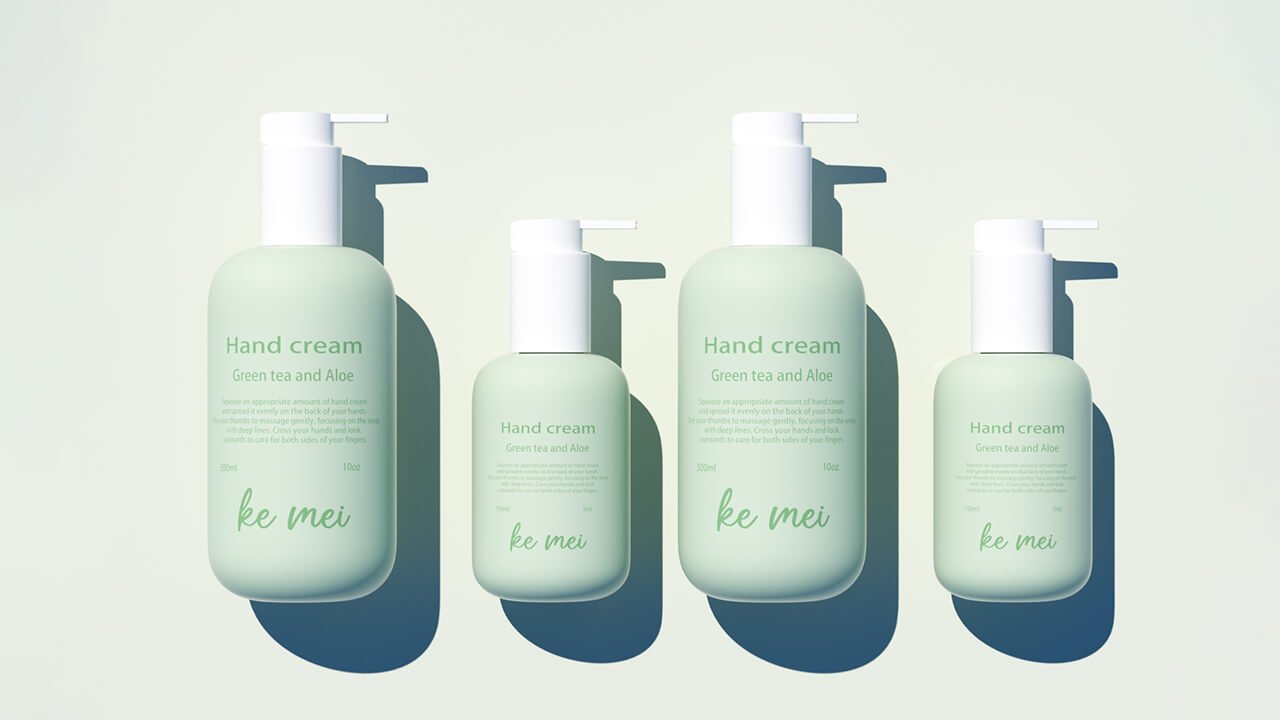
Sustainability is no longer a niche trend — it’s the new foundation of the beauty industry. As consumers demand more eco-conscious choices, brands are rethinking how products are packaged, sold, and reused. The shift from disposable bottles to refillable and zero-waste hair care packaging is redefining what “beautiful” truly means in a circular economy.
Refillable and zero-waste hair care packaging transforms how beauty brands produce, sell, and connect with consumers. By embracing reusable bottles, refill stations, and subscription systems, brands like The Body Shop, Davines, and Plaine Products are proving that sustainable hair product containers can be luxurious, practical, and circular — reducing waste while strengthening brand loyalty and long-term value.
The rise of refillable systems marks more than a packaging change — it represents a cultural shift toward responsibility, innovation, and long-term brand credibility.
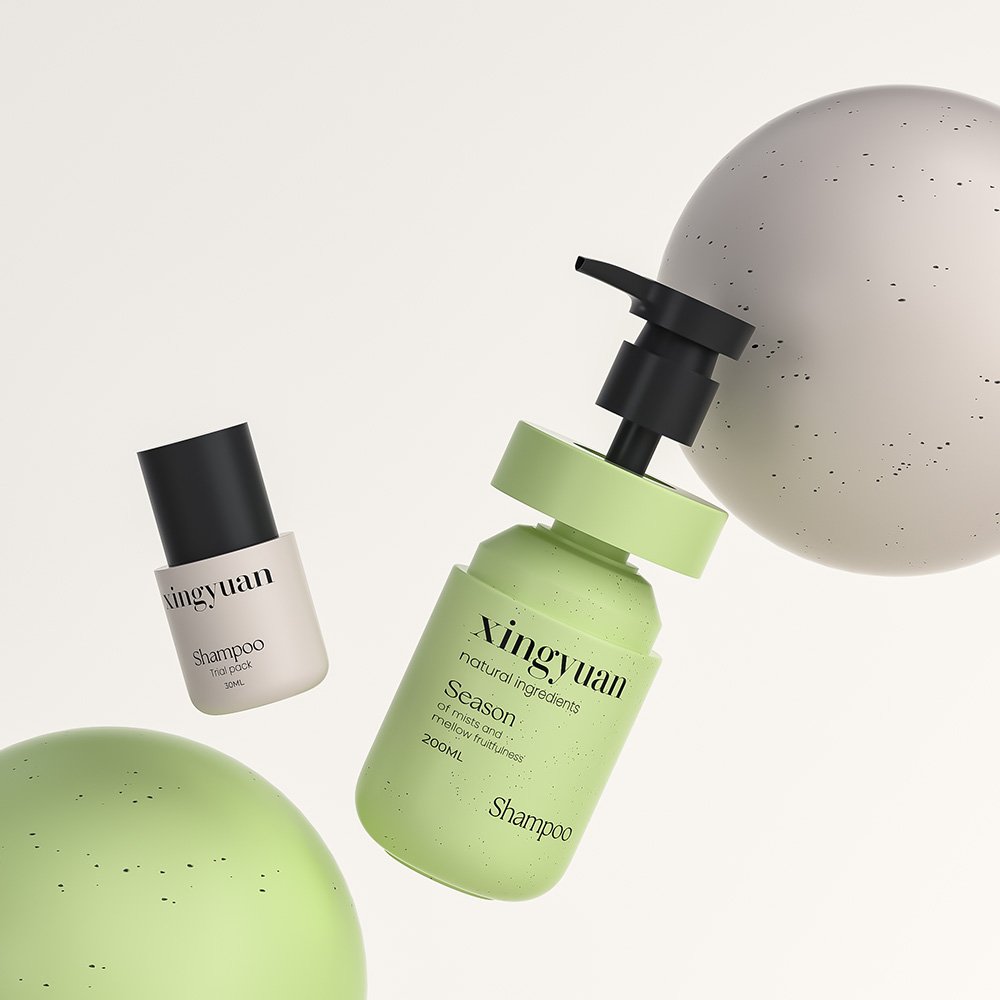
Why the Beauty Industry Is Embracing Circular Packaging
The traditional beauty business model has long been linear: make, use, dispose. Each year, billions of single-use plastic bottles end up in landfills or oceans — many of them from shampoos, conditioners, and styling products.
The circular economy in beauty challenges this cycle. Instead of designing for disposal, brands now design for reuse and regeneration. Circular packaging models encourage consumers to keep their containers longer, refill them at home or in stores, and reduce reliance on virgin materials.
For hair care, this evolution isn’t just ethical — it’s strategic. It builds brand differentiation, deepens customer engagement, and aligns perfectly with global sustainability commitments like the EU’s Packaging and Packaging Waste Regulation (PPWR) and UN’s SDG 12 (Responsible Consumption and Production).
Refill Stations: The Future of Retail Hair Care
Walk into select The Body Shop stores today, and you’ll see sleek refill stations where customers can bring their aluminum shampoo bottles back to be refilled. This system not only reduces packaging waste but also builds repeat visits and community engagement.
Similarly, Davines, the Italian sustainable hair care brand, has established refill corners in salons worldwide. These refill hubs encourage professional stylists and consumers alike to participate in a shared eco-responsibility.
Refill stations are more than a retail gimmick — they symbolize a new, experience-based relationship between brand and buyer. Consumers no longer just purchase; they participate in a circular system that feels personal and purposeful.
Subscription Models and At-Home Refills
For direct-to-consumer brands, subscription refills offer the most practical path to zero-waste beauty.
Plaine Products, a pioneer in refillable hair care, ships shampoo and conditioner in durable aluminum bottles. When customers finish their products, they simply send the empty bottles back in prepaid boxes for sanitization and reuse. This closed-loop system eliminates single-use plastics entirely while building customer loyalty through convenience.
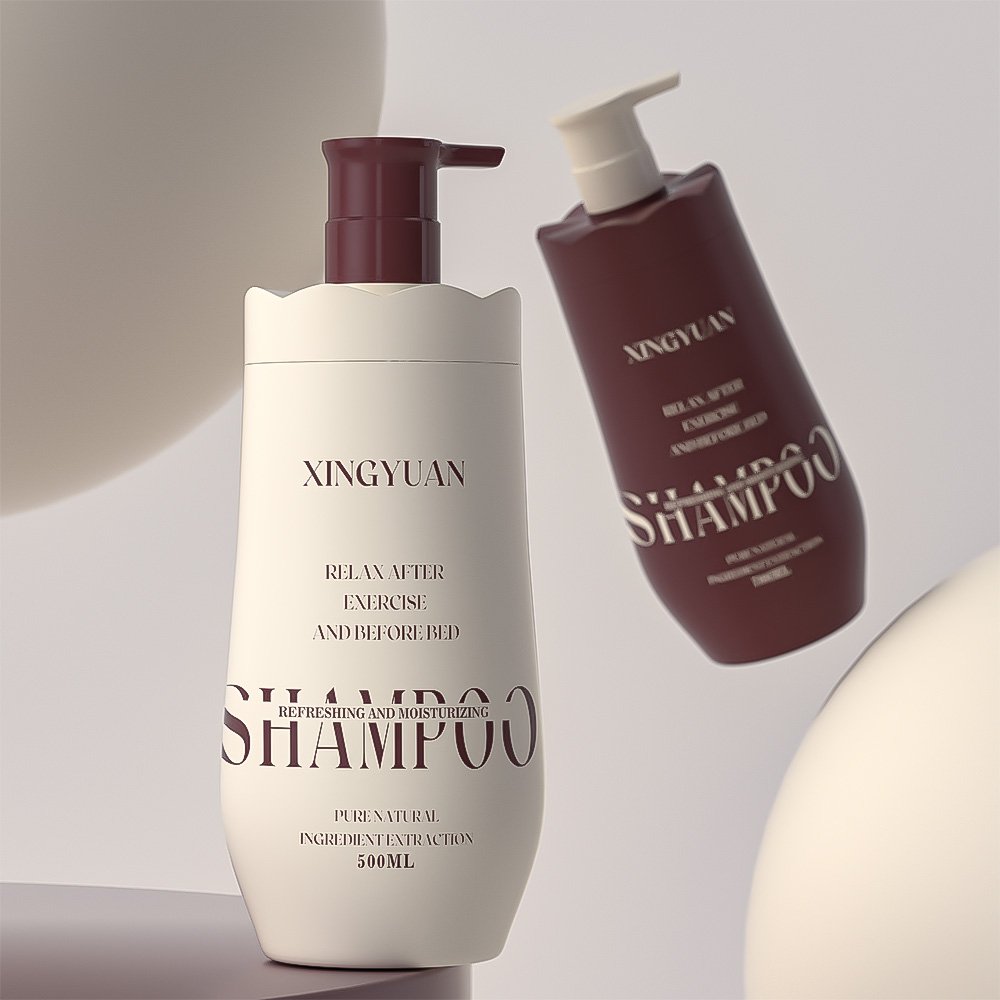
Another example is Function of Beauty, which offers personalized hair care formulas delivered in reusable containers. Customers receive eco-refill pouches, reducing plastic use by up to 60% per cycle.
Subscription-based refill systems integrate perfectly with e-commerce — providing predictable revenue for brands and guilt-free convenience for consumers.
The Materials Powering Refillable Hair Packaging
Choosing the right materials is key to sustainable packaging success. Brands must balance durability, recyclability, and aesthetics.
- Glass: Ideal for premium hair serums or oils. Its weight and transparency communicate luxury, but it’s less suitable for in-shower use.
- Aluminum: Lightweight, infinitely recyclable, and compatible with refill systems. It’s the go-to for modern refillable shampoo bottles.
- PCR PET (Post-Consumer Recycled Plastic): Offers flexibility and affordability while maintaining clarity — a smart transitional material for brands shifting away from virgin plastic.
The best sustainable hair product containers combine material efficiency with design intelligence — making them easy to refill, disassemble, and recycle without losing visual appeal.

Design Strategies for Zero-Waste Packaging
Designing for zero waste starts with rethinking functionality. A beautiful bottle isn’t enough — it must also be modular, durable, and ergonomic.
Here are some emerging design strategies that define refillable hair care packaging in 2025:
- Modular structures: Allow parts (pump, cap, label) to be replaced or upgraded individually.
- Refill-friendly openings: Wide necks and clean thread designs simplify home refilling.
- Removable labels: Enable full recycling of containers.
- Universal refill formats: Standardized sizes compatible with multiple product types.
- Minimal ink printing: Reduces contamination and supports recyclability.
These design innovations ensure that zero-waste systems remain practical while maintaining the emotional appeal of luxury packaging.
Brand Case Studies: Leading the Refill Revolution
The Body Shop
The pioneer of ethical beauty launched one of the largest refill station networks worldwide, available in over 800 stores. Its sleek aluminum bottles and clear messaging empower consumers to take ownership of sustainability.

Davines
Through its salon-based refill programs, Davines reinforces the concept of “sustainable luxury.” Their refill jars and shampoo dispensers merge artisanal design with industrial precision — a perfect harmony of form and ethics.
Plaine Products
Operating a full mail-return loop, this U.S.-based brand has created a completely closed system, sanitizing and reusing every bottle. Its transparent communication and zero-waste credentials make it a role model for indie brands.
Lush
While not offering refills per se, Lush revolutionized the market with solid shampoo bars — eliminating bottles entirely. Its approach proves that design innovation can achieve zero waste through alternative product formats.
Together, these brands are proving that sustainability is not a limitation — it’s a launchpad for creativity, loyalty, and leadership.
Challenges and Opportunities for Beauty Brands
Implementing refill and reuse systems is not without hurdles. Brands face logistical complexity, hygiene regulations, and upfront costs in redesigning their packaging supply chains.
However, the long-term opportunities outweigh these challenges:
- Reduced packaging expenses over product lifecycles
- Higher customer retention through refill programs
- Improved ESG performance and investor confidence
- Positive brand storytelling around responsibility and innovation
Consumers are increasingly willing to pay a premium for sustainability done right. In this context, refillable systems are both an ethical necessity and a competitive advantage.
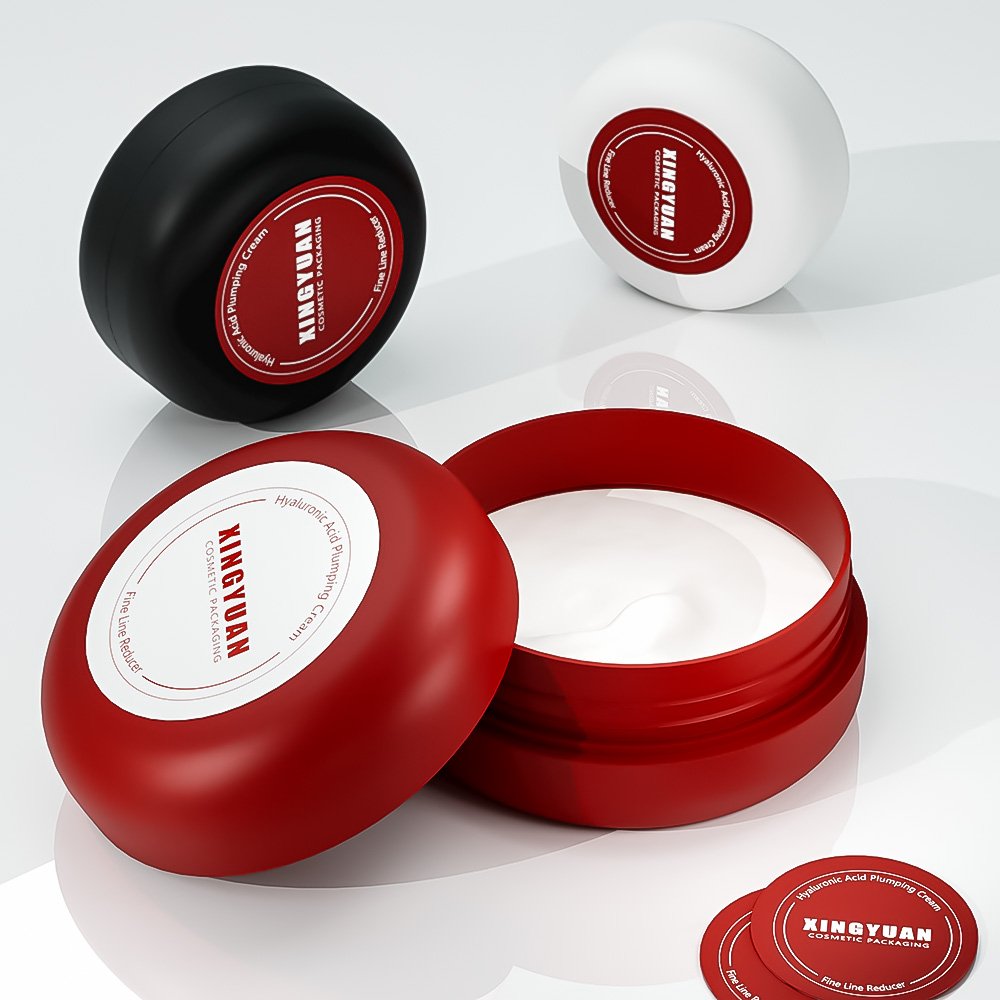
The Future of Zero-Waste Hair Care Packaging
As refillable packaging becomes mainstream, innovation will extend beyond the physical bottle. Expect to see:
- Digital passports for trackable product life cycles.
- Smart dispensing systems that measure refill levels.
- Standardized refill cartridges shared across multiple brands.
- Community-based collection hubs enabling localized recycling and reuse.
The future of beauty packaging lies in collaboration and circularity — where every material, design, and customer action contributes to a regenerative system.
Summary
Refillable and zero-waste hair care packaging isn’t a fleeting trend — it’s the blueprint for a cleaner, smarter industry. From aluminum bottles and refill stations to subscription models and solid shampoos, the future of beauty is circular. Brands that embrace this transformation today will define what sustainable luxury means tomorrow.