

Designing cosmetic packaging molds shouldn’t take months or multiple redesigns—but that’s the reality for brands still using 2D sketches. Outdated processes slow launches, waste materials, and raise costs. Digital 3D design now changes everything, creating molds that are faster, more accurate, and ready for market in record time.
Digital design in cosmetic packaging uses 3D modeling, CAD/CAM integration, and simulation tools to create ultra-precise mold designs before manufacturing begins. By visualizing geometry, testing wall thickness, and simulating resin flow virtually, brands eliminate costly revisions and speed up mold development by up to 40%. It’s the smartest route from creative vision to flawless production.
Let’s explore how digital design technology is redefining cosmetic packaging—from accuracy and collaboration to sustainability and time-to-market advantage.
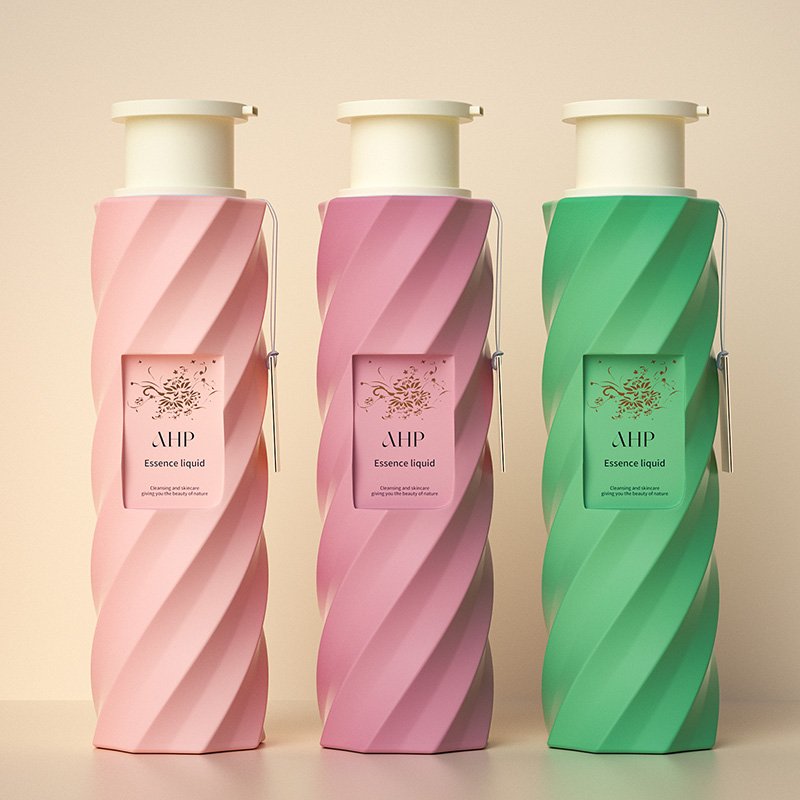
1. From 2D Drafts to Digital Design Revolution
In the past, packaging engineers relied on 2D drawings and manual interpretation.
This limited view often caused tolerance mismatches, misaligned cavities, and multiple reworks once molds reached production.
Now, digital 3D modeling gives brands and OEMs a complete virtual prototype before a single piece of steel is cut.
Designers can inspect every curve, logo, and closure alignment directly in 3D—seeing exactly how the packaging will look and perform in real life.Digital transformation isn’t just about visuals—it’s about speed and predictability.
2. The Digital Workflow: From Concept to Mold
Here’s how the digital packaging mold workflow looks in practice:
Concept Design → 3D CAD Modeling → Mold Flow Simulation → Virtual Testing → Prototype → Final Mold
Unlike traditional sequential workflows, these steps now run concurrently.
Design and engineering teams collaborate in real time, reducing communication errors and speeding decision-making.By integrating CAD (Computer-Aided Design) with CAM (Computer-Aided Manufacturing), data flows directly from the design file to CNC machines—eliminating manual reprogramming and human error.
3. Case Study: HDPE Hair Care Bottle Mold, Digitally Designed
A well-known haircare brand needed to redesign its HDPE shampoo bottle—adding new ergonomics and embossed branding without delaying its seasonal launch.
Using digital 3D modeling and simulation, engineers:
- Predicted wall thickness variations before cutting steel.
- Simulated material flow to eliminate sink marks.
- Validated grip comfort through virtual stress testing.
- Cut physical sampling rounds from four to just one.
⏱ Outcome:
The final mold achieved perfect part precision on the first trial, saving 25 days in development and cutting total cost by 15%.
The brand hit its campaign deadline—while competitors were still revising their prototypes.
4. How 3D Modeling Enhances Mold Accuracy
| Challenge | Traditional Process | Digital 3D Solution |
| Alignment errors | Found during sampling | Detected in simulation |
| Wall thickness variation | Measured post-production | Auto-analyzed in CAD |
| Aesthetic flaws | Trial-and-error | Visualized in 3D model |
| Tolerance mismatch | Requires rework | Prevalidated via geometry |
| Miscommunication | 2D sketch limits | Shared interactive 3D files |
3D design bridges the gap between imagination and precision.
Every dimension, angle, and curve is tested in advance—resulting in molds that perform exactly as expected, every time.
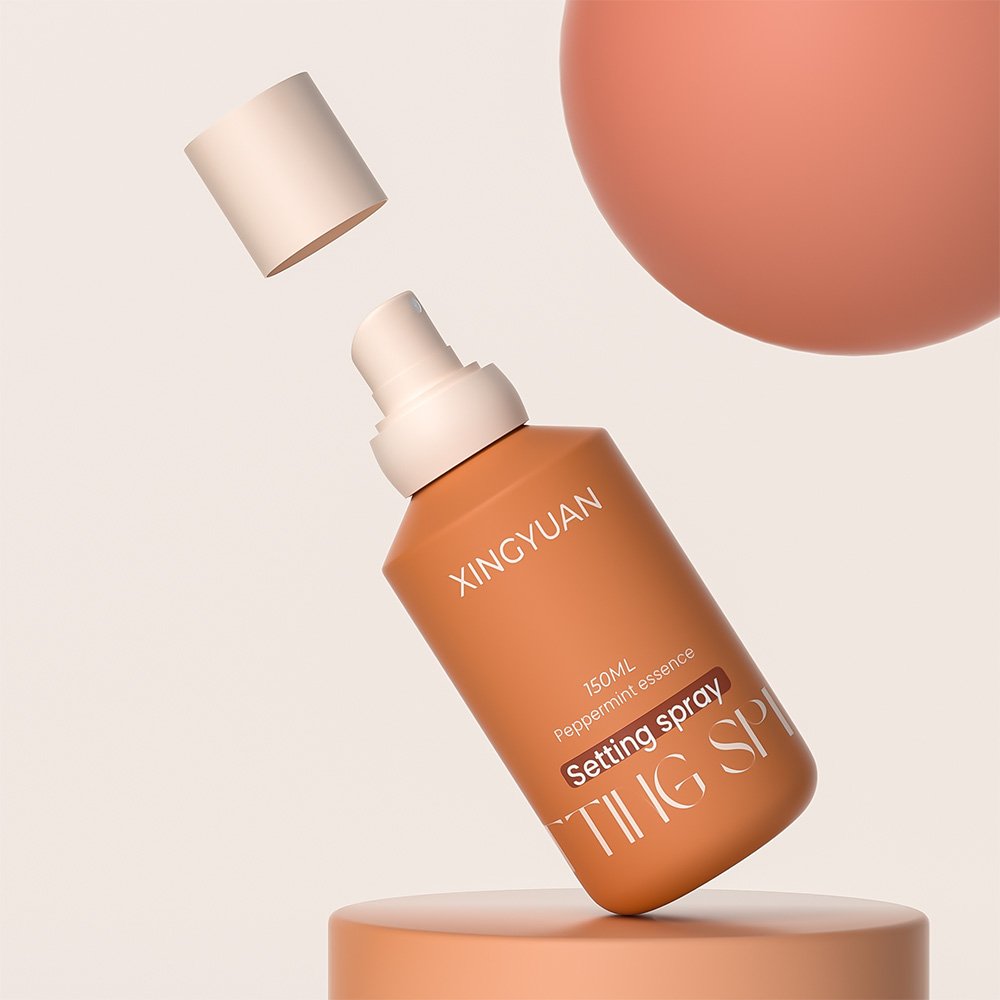
5. How Digital Design Speeds Up Development
The traditional mold-making timeline used to be rigid and sequential:
Design → Test → Revise → Manufacture.Digital design introduces parallel validation—where testing happens while designing.
Software like SolidWorks, NX, or Moldex3D allows engineers to instantly simulate resin cooling, ejection timing, and mold temperature within minutes.
This eliminates rework and enables real-time adjustments—turning a 90-day project into a 45-day production-ready success.
6. Collaboration in a Global Supply Chain
Modern packaging projects involve multiple stakeholders—brand owners, OEM engineers, and creative agencies often spread across countries.
- 3D design enables seamless cloud collaboration:Teams can review 3D models in real-time.
- Changes are visible to all parties instantly.
- Approvals happen faster, with fewer misunderstandings.
When everyone sees the same 3D model, decisions are quicker, and creativity stays aligned with manufacturability.
This is how leading brands now launch globally consistent packaging faster than ever before.
7. ROI and Competitive Impact
Here’s how digital design delivers measurable value:
| Metric | Traditional Mold | Digital Design Workflow | Business Benefit |
| Lead Time | 70–90 days | 45–55 days | 40% faster |
| Sampling Rounds | 3–4 | 1–2 | 50% material savings |
| Revision Cost | High | Minimal | 25% lower |
| Accuracy | ±0.5 mm | ±0.05 mm | 10× precision |
| Time-to-Market | Delayed | On schedule | Competitive advantage |
Faster development means earlier sales and longer shelf presence.
For cosmetic brands, that can translate to millions in early revenue capture—simply by getting to market first.
8. Digital Design and Sustainability
Beyond speed and accuracy, digital workflows are inherently sustainable.
Each virtual simulation replaces a physical prototype—reducing waste, resin use, and energy consumption.HDPE bottle molds benefit especially:
- Optimized wall thickness saves up to 10% of material per unit.
- Digital validation prevents scrap generation.
- Reusable 3D data supports future design updates without re-engineering.
Sustainability, in this context, becomes a built-in design feature, not an afterthought.
9. Adopting 3D Design in Your Packaging Projects
For brands ready to move toward digital transformation, here’s a simple roadmap:
- Integrate CAD/CAM systems so design and machining communicate directly.
- Train teams in 3D design tools to minimize outsourcing.
- Adopt mold simulation software (e.g., Moldflow or NX Mold Wizard).
- Work with digital-ready suppliers who can share real-time model updates.
- Measure ROI continuously—time saved, waste reduced, and precision improved.
Digital design is the foundation of faster, cleaner, and more consistent packaging innovation.

Summary
Digital 3D modeling is transforming cosmetic mold development.
It enhances precision, eliminates rework, and speeds launches—helping brands bring innovative packaging to market faster.
In a beauty industry built on timing and design, digital workflows are the ultimate bridge between creativity and efficiency.