
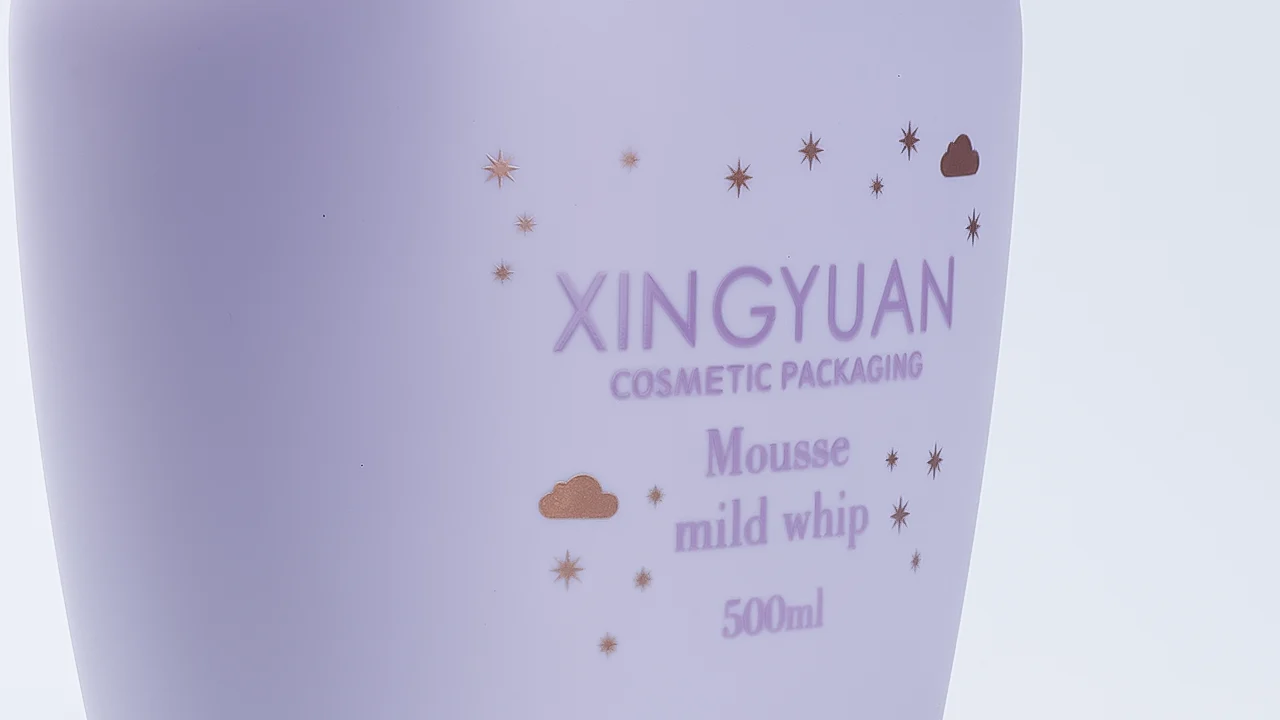
Why Is Silk Screen Printing the Most Popular Decoration Process in Cosmetic Packaging Bottles?
In today’s competitive beauty market, even premium formulas can fail if the packaging looks ordinary. Cosmetic designers and brands need decoration that feels luxurious, durable, and professional. That’s why silk screen printing has become the most trusted and widely used process in cosmetic packaging bottles. Silk screen printing is the most popular decoration process in cosmetic packaging bottles because it delivers vibrant, long-lasting, and high-precision designs directly onto plastic or glass surfaces. It offers superior durability compared to labels, supports eco-friendly UV inks,...
Global Beauty Industry White Paper 2026
The Global Beauty Reset: Why Dermatological Skincare Is Rising as Luxury Beauty Slows The global beauty industry is entering a new phase of structural transformation. While the overall market continues to expand, growth across product segments is becoming increasingly uneven. In recent years, traditional luxury skincare brands have faced mounting pressure from evolving consumer expectations, increased ingredient transparency, and the rapid rise of science-led skincare brands. At the same time, dermatological skincare is emerging as one of the fastest-growing segments in the global...
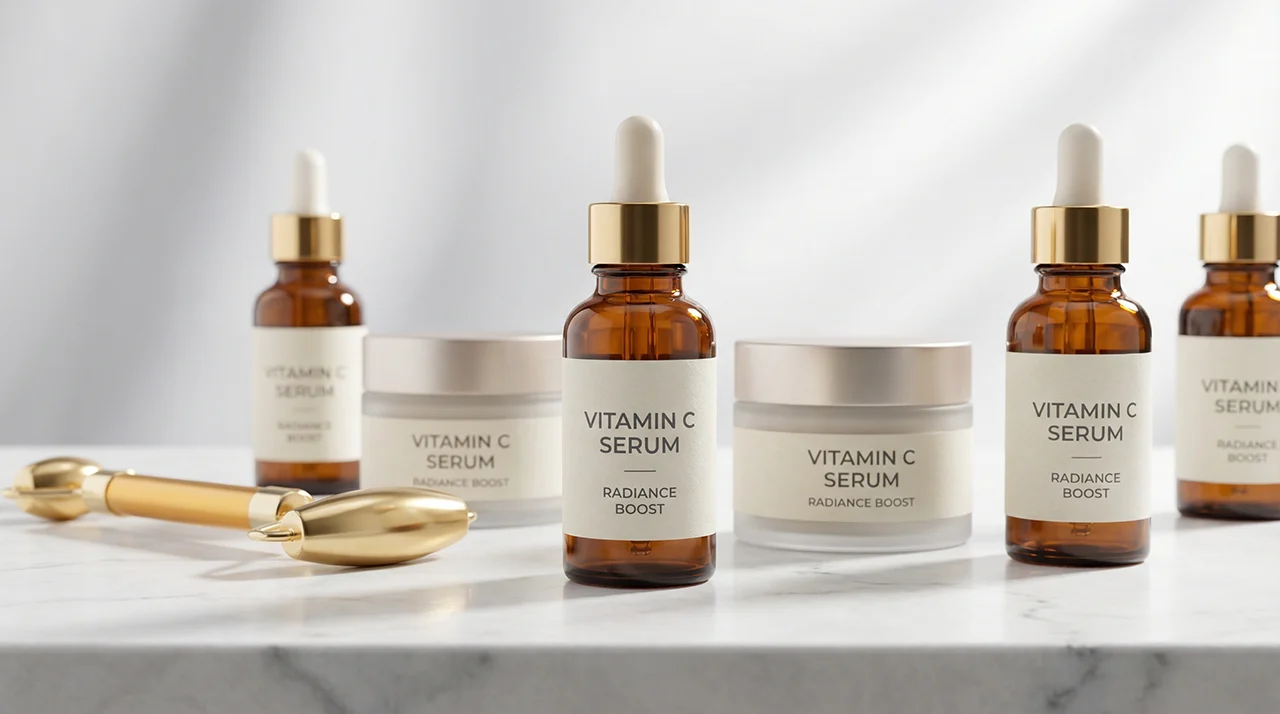
How Should Vitamin C Serum Be Stored to Stay Fresh and Effective?
Vitamin C serum is one of the most effective skincare products on the market—but also one of the most unstable. I’ve seen brands invest heavily in formulation, only to face customer complaints about yellowing, loss of efficacy, or short shelf life. For consumers, it’s confusing too: Should I refrigerate it? Is room temperature okay? Why does it oxidize so fast? The truth is simple but often overlooked: how vitamin C serum is stored depends as much on packaging as it does on location....

How to Choose the Right HDPE Bottle Supplier for Your Cosmetic Brand
Selecting the right HDPE bottle supplier is one of the most critical decisions for any cosmetic brand. Packaging affects not only your product’s look and feel but also its performance, compliance, and sustainability. Here’s a complete buyer’s guide to help you find a reliable, long-term cosmetic packaging manufacturer. A reliable HDPE bottle supplier should provide certified materials, consistent quality, strong customization support, and efficient communication. Look for a manufacturer specializing in cosmetic packaging production with proven expertise in mold design, decoration, and compliance....
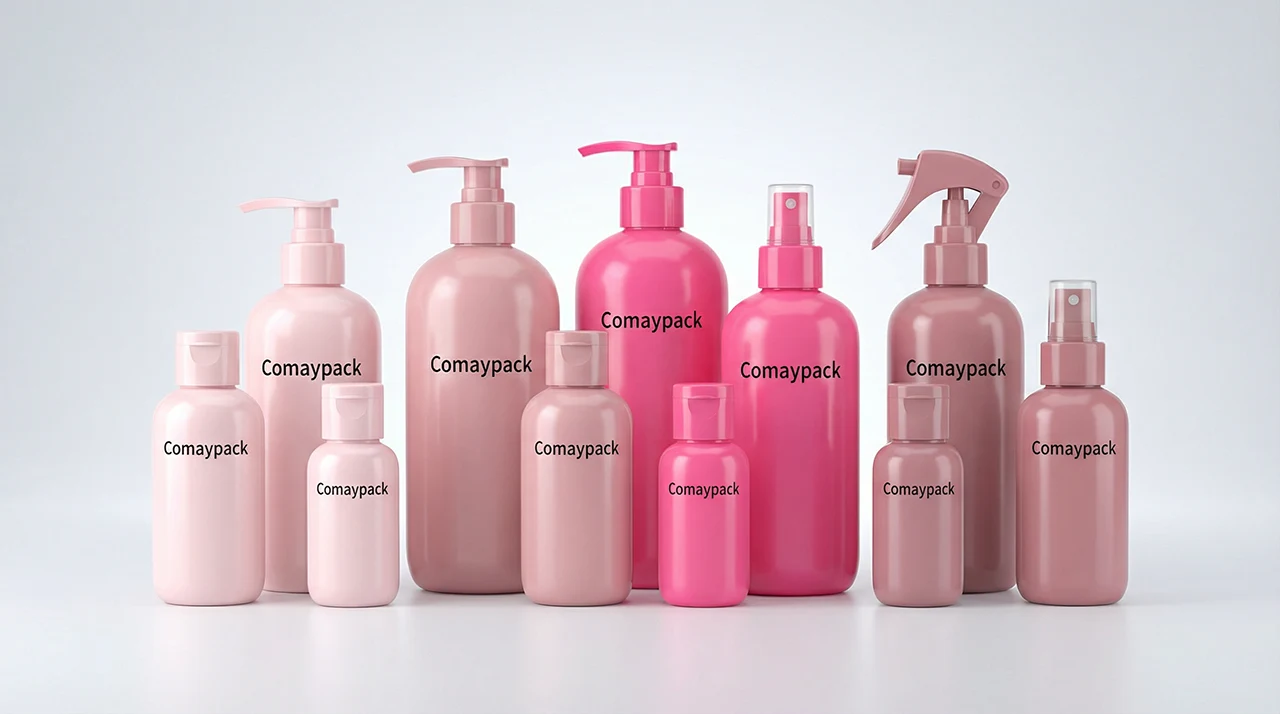
Why HDPE Bottles Are Ideal for Refillable Cosmetic Packaging
Introduction As sustainability reshapes the beauty industry, refill packaging is no longer an afterthought — it’s a strategic shift. Cosmetic brands seek durable, eco-friendly materials that preserve formula quality while reducing waste. HDPE bottles meet all these demands, merging practicality with circular design to support the future of zero-waste cosmetics. HDPE bottles are ideal for refillable cosmetic packaging because they are durable, chemically stable, lightweight, and fully recyclable. Their high-density structure allows repeated use without warping, cracking, or leaching. HDPE also supports PCR...
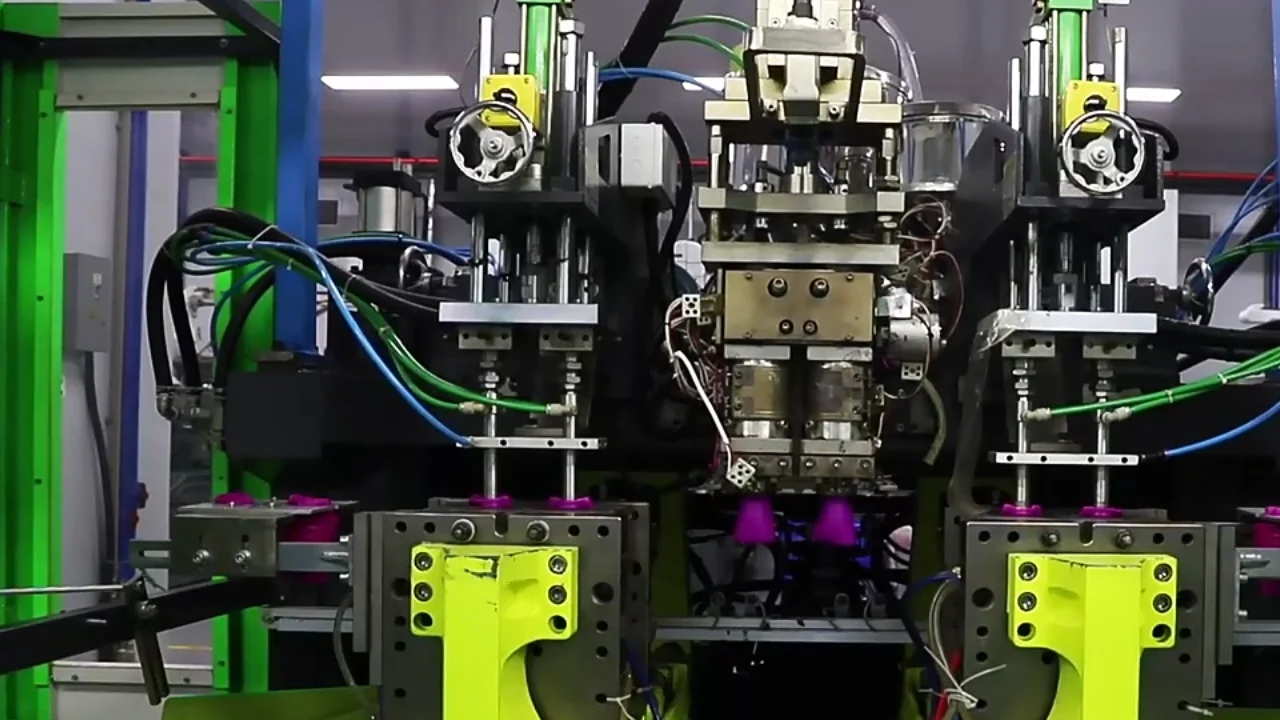
How HDPE Cosmetic Bottles Are Made: From Resin to Finished Product
Every elegant cosmetic bottle begins with a tiny plastic pellet. Understanding how HDPE bottles are made helps brands choose safe, consistent, and sustainable packaging partners. From raw resin to finished, decorated containers, the HDPE bottle manufacturing process is a precise combination of material science, engineering, and cosmetic packaging design. HDPE cosmetic bottles are made by melting high-density polyethylene resin and shaping it using blow molding. During this process, molten HDPE is extruded into a parison, inflated into a mold, cooled, trimmed, and decorated....

How to Customize HDPE Bottles for Your Cosmetic Brand?
In today’s competitive beauty market, packaging is more than protection — it’s brand storytelling. HDPE bottles have become a favorite for skincare and haircare brands thanks to their versatility, safety, and recyclability. From custom colors to printing techniques, here’s how to make HDPE packaging truly reflect your brand identity. HDPE bottles can be customized through color, shape, texture, and finish to suit a cosmetic brand’s image. Popular decoration methods include silk-screen printing, hot stamping, labeling, and special surface treatments. With the right design...

Is HDPE Plastic Safe for Skincare and Haircare Products?
Introduction Safety has become a top concern for today’s beauty brands and consumers. With increasing attention to ingredients and packaging materials, it’s crucial to ensure cosmetic containers don’t leach harmful substances or affect product quality. That’s why HDPE (High-Density Polyethylene) has emerged as one of the safest choices for skincare and haircare packaging. HDPE (High-Density Polyethylene) is one of the safest plastics for skincare and haircare packaging. It is BPA-free, non-toxic, and chemically inert, meaning it does not react with most cosmetic ingredients....

HDPE vs PET Bottles: Which Is Better for Cosmetic Packaging?
Choosing the right packaging material is crucial for cosmetic brands. Among plastic options, HDPE and PET bottles dominate the market — each offering unique benefits. But which one truly fits your product? Let’s break down their properties, performance, and sustainability to help beauty brands make smarter packaging decisions. HDPE bottles are durable, and chemically resistant, making them ideal for lotions, shampoos, and creams. PET bottles, by contrast, are lightweight, glossy, and crystal clear — perfect for toners, serums, and liquid products. In short,...