
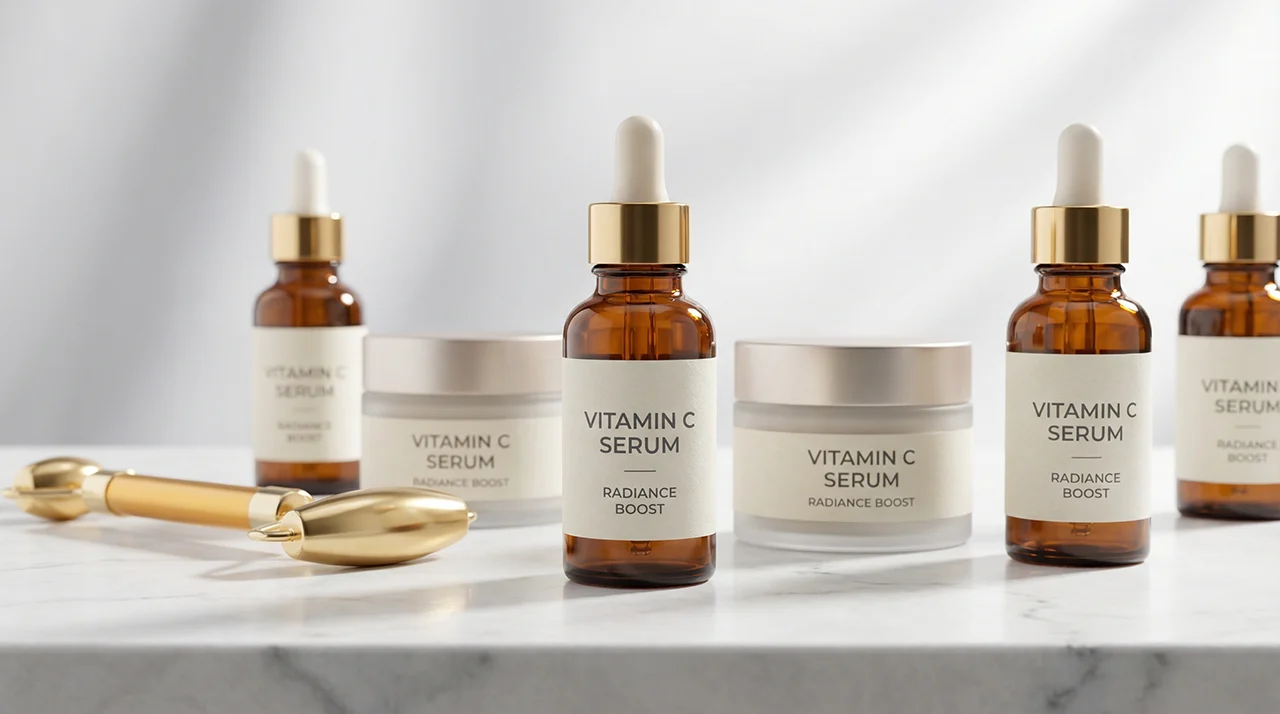
Vitamin C serum is one of the most effective skincare products on the market—but also one of the most unstable. I’ve seen brands invest heavily in formulation, only to face customer complaints about yellowing, loss of efficacy, or short shelf life. For consumers, it’s confusing too: Should I refrigerate it? Is room temperature okay? Why does it oxidize so fast?
The truth is simple but often overlooked: how vitamin C serum is stored depends as much on packaging as it does on location.
Why Vitamin C Serum Is So Easy to Ruin
Vitamin C, especially in its pure form (L-ascorbic acid), is highly sensitive. Once exposed to air, light, or heat, it begins to oxidize. Oxidation doesn’t just change the color of the serum from clear to yellow or brown—it also reduces its antioxidant power and, in some cases, increases the risk of irritation.
This is why so many people search for answers like “How to store vitamin C serum overnight?” or “Can I store vitamin C serum at room temperature?” They’re noticing real changes in product performance.
For brands, this instability presents a bigger challenge: product experience after purchase is no longer fully under your control unless storage and packaging are designed intelligently.
What Is the Best Way to Store Vitamin C Serum?
The best way to store vitamin C serum is to keep it in a cool, dark environment while minimizing exposure to air. Heat, light, and oxygen accelerate oxidation, which reduces the serum’s effectiveness. While refrigeration can help slow degradation, protective packaging—such as amber bottles, airless pumps, or dual-chamber systems—is the most reliable way to maintain stability and extend shelf life.
That paragraph reflects exactly what Google’s featured snippets emphasize today—and it’s where many articles stop. But from a brand perspective, this advice is incomplete unless we explain how packaging design directly supports these storage principles.
Looking Beyond Refrigeration: Why Packaging Matters More
Refrigeration can slow oxidation, but it’s not a universal solution. Many consumers don’t store skincare products in the fridge consistently. Some markets rarely refrigerate cosmetics at all. Others travel frequently or keep products in bathrooms with fluctuating humidity.
This is where smart packaging becomes critical. Good packaging doesn’t rely on perfect user behavior. It protects the formula even when storage conditions are less than ideal.
To understand how, let’s break down the most common and effective packaging solutions used for vitamin C serums today.
How Packaging Protects Vitamin C Serum from Oxidation
Packaging is not just a container—it’s an active part of the formulation system. The right packaging can slow oxidation, maintain potency, and dramatically improve customer satisfaction.
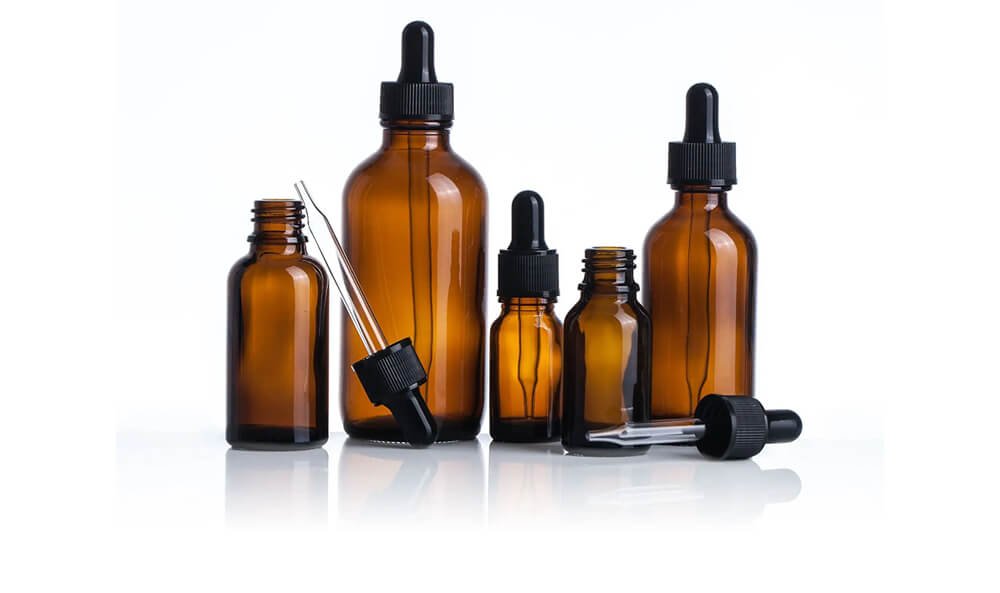
Amber Dropper Bottles: Basic Light Protection, Limited Air Control
Amber glass dropper bottles are one of the most widely used options for vitamin C serums.
Why brands use them:
- Amber glass filters out UV and visible light
- The material feels premium and trustworthy
- Production cost is relatively low
- Easy to source and compatible with many formulas
Where they fall short:
Each time the dropper is opened, air enters the bottle. Oxygen exposure accumulates over weeks of use, which is why consumers often notice oxidation halfway through the product’s life.For lower-concentration vitamin C derivatives or fast-usage products, amber droppers can work well. But for high-potency L-ascorbic acid formulas, they offer only partial protection.
From a consumer education standpoint, this also explains why many people ask “How to store vitamin C serum without fridge?”—with dropper bottles, storage habits matter much more.
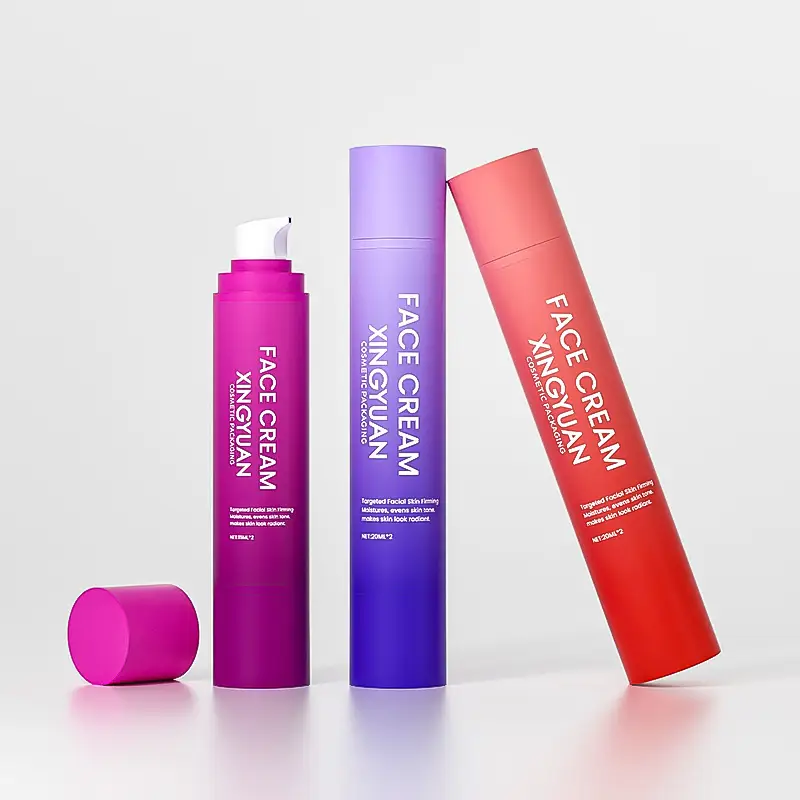
Airless Pump Bottles: Reducing Air Exposure with Every Use
Airless pump bottles represent a major step forward in vitamin C storage.
How they work:
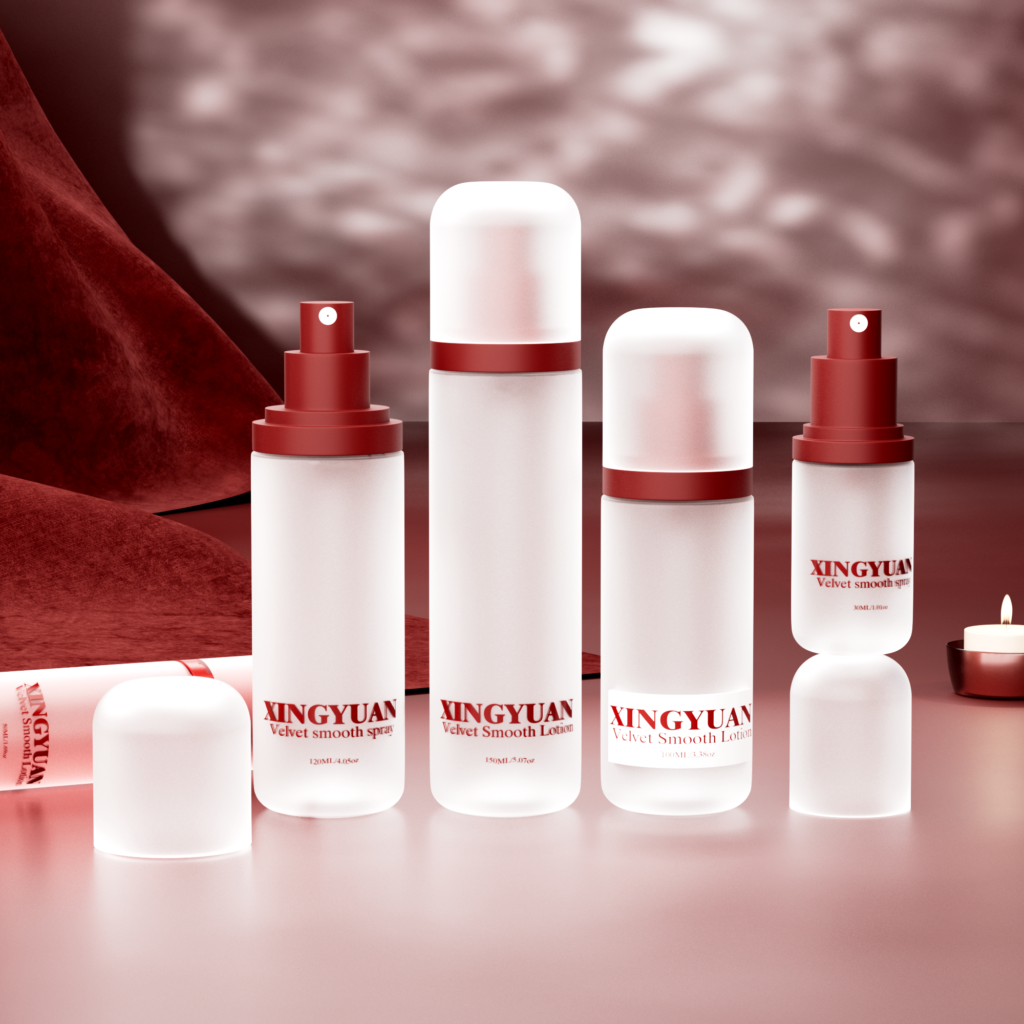
Instead of pulling product up through a tube, airless systems use a rising piston or collapsible bag. Each pump dispenses product without letting air back in.Key advantages:
- Minimal oxygen exposure throughout use
- More consistent dosing
- Better hygiene (no contact with fingers or droppers)
- Longer shelf life at room temperature
For brands, airless packaging reduces oxidation-related complaints and returns. For consumers, it answers a common concern: “Can I store vitamin C serum at room temperature?” In many cases, the answer becomes yes—if the packaging is airless and light-protective.
Airless bottles are especially suitable for:
- Daily-use vitamin C serums
- Mid- to high-end product lines
- Brands targeting stability without requiring refrigeration
Dual-Chamber Bottles: Mixing Fresh Vitamin C Before First Use
Dual-chamber packaging is one of the most advanced solutions for vitamin C stability—and one of the most exciting for innovation-driven brands.
How it works:
- Two components are stored separately, often:A dry or concentrated vitamin C phase
- A water-based or activating serum
The user mixes them only when ready to use the product.
Why this matters:
- Vitamin C degrades fastest once it’s dissolved in water. By keeping key components separate, brands can achieve:Near-zero oxidation during storage
- Higher effective concentrations
- Maximum freshness at first use
This system is ideal for:
- High-performance or clinical skincare
- Professional or dermocosmetic brands
- Products positioned around “fresh activation”
From a consumer perspective, dual-chamber bottles clearly explain why some vitamin C serums last longer than others—even without refrigeration.
How to Store Vitamin C Serum Without a Fridge
This is one of the most searched questions online, and the honest answer is nuanced.
Yes, vitamin C serum can be stored without a fridge if:
- The packaging limits air exposure
- The container protects against light
- The product is kept away from heat sources
A drawer, cabinet, or vanity away from sunlight works well. Bathrooms, however, are often poor choices due to heat and humidity.
For brands, this means clear communication is essential. Packaging choices should align with realistic consumer behavior, not ideal storage conditions.
Can I Store Vitamin C Serum at Room Temperature?
Room temperature storage is not automatically harmful. In fact, many vitamin C serums are designed to remain stable at room temperature when paired with the right packaging.
Factors that influence room-temperature stability include:
- Vitamin C type and concentration
- pH level
- Antioxidant support in the formula
- Packaging design
Reference: Stability studies on vitamin C formulations and packaging systems
When these factors are aligned, refrigeration becomes optional rather than necessary.
Shelf Life: How Long Does Vitamin C Serum Last?
Another frequent search query is “How long does vitamin C serum last in the fridge?”—but shelf life depends more on packaging than location.
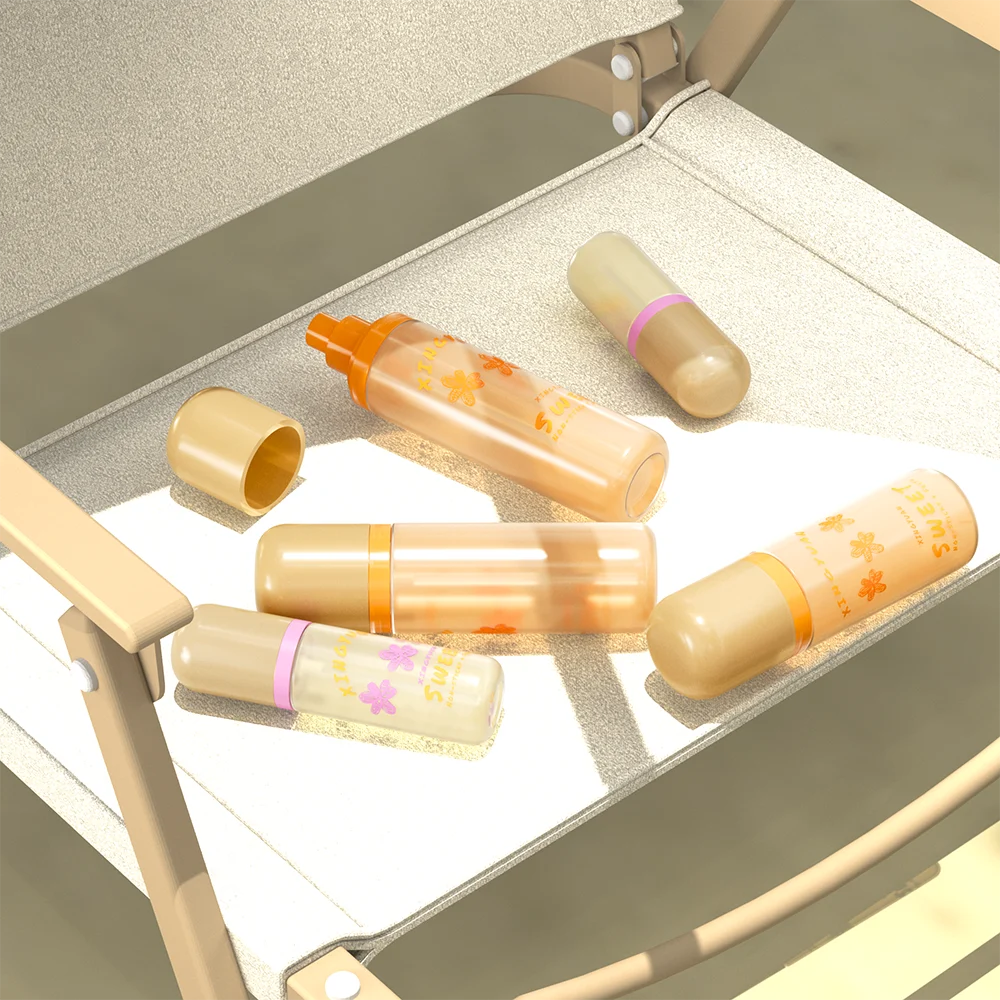
General guidelines:
- Unopened, well-packaged vitamin C serums may last 12–24 months
- After opening:
- Dropper bottles: often 2–3 months
- Airless pumps: 4–6 months or longer
- Dual-chamber systems: maximum freshness after activation
Reference: Cosmetic shelf-life and oxidation benchmarks
Educating consumers about these differences helps manage expectations and builds trust in your brand.
Final Thoughts: Packaging Is Part of the Formula
Vitamin C storage is often framed as a consumer responsibility—store it here, keep it cool, avoid light. But from a brand perspective, that’s only half the story.
Packaging is not just about aesthetics or cost. It’s a functional extension of the formulation itself. Amber bottles, airless pumps, and dual-chamber systems each offer different levels of protection, performance, and positioning.
When brands choose packaging strategically, they don’t just extend shelf life—they deliver consistent results, reduce complaints, and educate consumers along the way.
In the end, the best way to store vitamin C serum isn’t just about where it sits—it’s about how intelligently it’s designed to survive real-world use.