

Every cosmetic brand dreams of owning distinctive packaging that perfectly represents its identity. But between design and delivery, mold development can become a nightmare. I’ve watched great ideas turn into costly delays because of simple mistakes—avoidable ones. Let’s talk about the five I see most often.
The most common mistakes brands make in private mold development include unclear design specifications, skipping manufacturability checks, changing materials mid-project, ignoring functional testing, and poor coordination with suppliers. Avoiding these issues helps cosmetic brands cut costs, prevent mold defects, and ensure smooth HDPE or PET bottle production from concept to mass manufacturing.
These lessons come straight from the production floor—real stories, hard-earned experience, and the kind of insights that save brands weeks of frustration and thousands in wasted tooling costs.
1. Unclear Design Specifications
If I had to pick the biggest source of headaches in cosmetic packaging, this would be it.
Brands send gorgeous renderings with perfect lighting, but when the files reach the mold shop, critical data is missing—neck diameter, wall thickness, closure specs, or thread details.Without full specifications, engineers are forced to interpret intent, and that’s where mismatches happen. A cap that doesn’t fit, a label that sits crooked, or a bottle that doesn’t stand flat—small details that can delay production for weeks.

💡 Insider Tip:
Always provide a complete technical package:
- 3D CAD model with correct scaling
- 2D technical drawing with dimensions
- Closure and pump compatibility specs
- Material type and color reference
The clearer your input, the cleaner your mold outcome.
2. Ignoring Design for Manufacturability (DFM)
This one hurts both timelines and budgets.
A bottle may look incredible in 3D renderings, but that doesn’t mean it can be molded efficiently.I once reviewed an HDPE shampoo bottle design with elegant, curved shoulders—until we realized those shoulders were just 0.6 mm thick. During cooling, they warped, and every sample looked asymmetrical. The fix required redesigning the entire upper section and recutting the steel insert—three extra weeks, all preventable.
💡 Lesson Learned:
Bring your mold engineer into the discussion before finalizing your design.
- A 15-minute DFM review can reveal:Thin-wall risks and sink-mark zones
- Cooling and ejection constraints
- Draft angle or undercut issues
- Material flow bottlenecks
Design and engineering must move together. Beauty is important, but beauty that can’t be molded isn’t functional design.
3. Late Material Changes
Switching resin types halfway through a project is like changing engines after takeoff.
I’ve seen brands approve a PET bottle design, cut steel, then decide to “go greener” with HDPE. Unfortunately, those materials behave very differently: PET shrinks less and cools faster; HDPE needs thicker walls and different gating. The result? The original mold couldn’t produce the desired finish, and we had to re-machine the core.💡 Industry Insight:
Lock your resin grade and masterbatch before tooling begins.
Even small differences—like HDPE 5502 vs. 5200—change melt flow and cooling behavior.Ask your supplier to confirm:
- Melt flow index
- Shrinkage rate
- Cooling requirements
- Recyclability compatibility
Once the CNC process starts, changes cost exponentially more. Consistency is key.
4. Skipping Functional Testing
It’s tempting to rush from design approval straight to production, especially when marketing is pushing for a launch date. But skipping mold testing is one of the most expensive shortcuts in packaging.
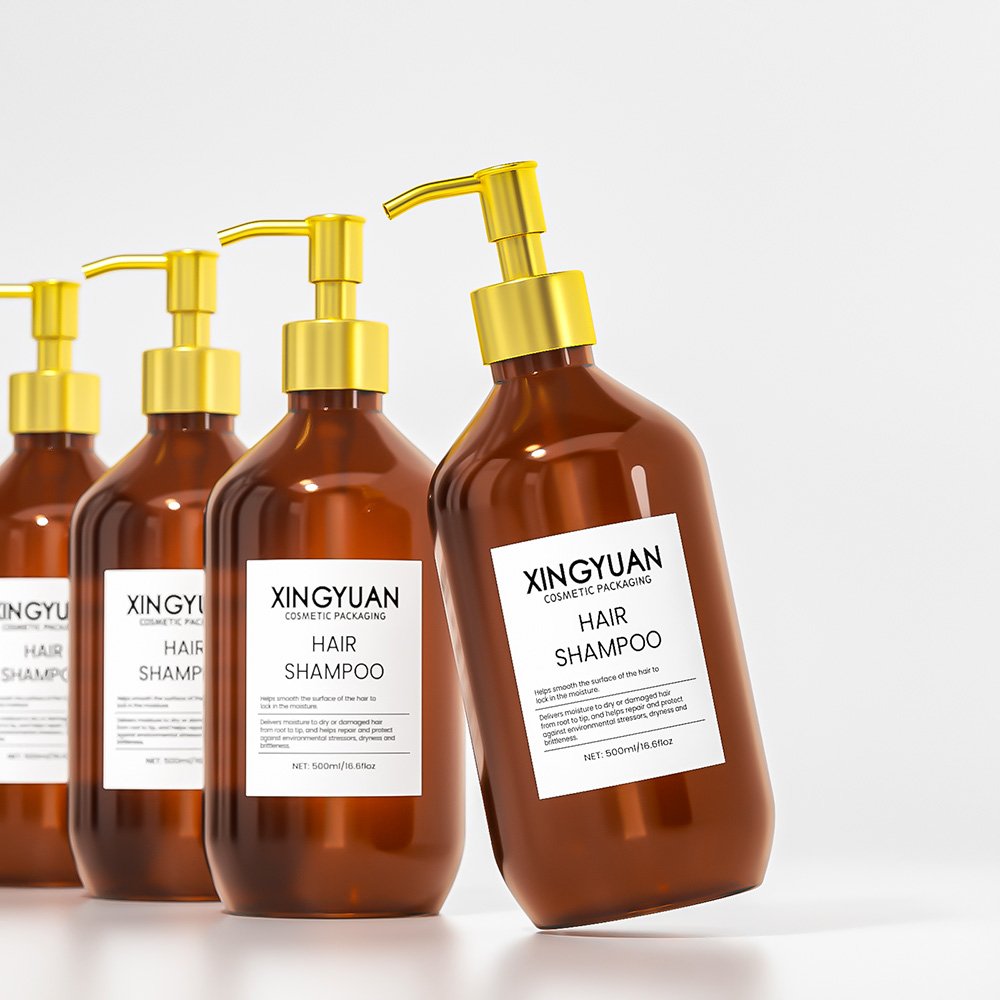
I once saw a 500 ml shampoo bottle mold that passed the visual review perfectly. The samples looked flawless—but once filled, bottles leaked at the neck after vibration testing. The design lacked proper transition between neck and shoulder. Fixing it required machining a new neck insert.
💡 Pro Tip:
Never skip mold flow analysis or pilot sampling.
- Simulation software predicts where air traps, weld lines, or uneven wall thickness may appear. Early tests also confirm:Resin cooling uniformity
- Ejection performance
- Cap fit and thread integrity
- Drop and pressure resistance
It’s much cheaper to adjust steel before mass production than to recall 50,000 leaky bottles later.
5. Poor Supplier Coordination
Even the best design can fail without good teamwork.
In many projects, creative teams, mold engineers, and production planners work in isolation—each using different file versions or communication tools. The result? Conflicting updates, duplicate revisions, and production delays.💡 What Works Better:
- Host shared cloud design folders (e.g., GrabCAD, SolidWorks PDM).
- Keep one “master CAD file” that everyone edits collaboratively.
- Schedule weekly progress reviews between brand, OEM, and mold maker.
- Assign a project owner responsible for timeline alignment.
In fast-paced cosmetic markets, coordination isn’t optional—it’s your best insurance policy for on-time delivery.
Mini Case: The Shampoo Bottle That Missed Summer
Here’s a story every packaging team should hear.
A mid-sized haircare brand developed a new PET shampoo bottle with custom embossing. The design was stunning—but they didn’t confirm pump dimensions early enough. When the closure supplier delivered caps, the neck diameter was off by 0.5 mm.
Result: the product missed its summer campaign launch by two months, costing lost marketing spend and shelf space.Lesson learned: every millimeter matters.
Your packaging supply chain is only as strong as its weakest specification.
Mold Design Guide: How to Get It Right
Here’s a step-by-step checklist that’s saved me—and many clients—from avoidable headaches:
| Stage | Key Actions | Why It Matters |
| Concept | Define packaging function, filling method, and target price. | Aligns creative intent with manufacturing limits. |
| Design | Provide 3D files and run DFM review before approval. | Prevents geometry or tolerance conflicts. |
| Material | Confirm resin, masterbatch, and closure type before tooling. | Avoids shrinkage and cooling mismatches. |
| Testing | Run flow simulation + physical sampling. | Detects hidden molding or sealing issues. |
| Production | Keep live communication between brand and OEM. | Ensures schedule, color, and QC consistency. |
If you follow these five stages carefully, you’ll eliminate 80 % of common cosmetic packaging mistakes.
How to Build a Smooth Mold Development Partnership
Strong relationships build strong molds.
- Here’s what I tell every brand starting a new project:Choose suppliers who offer design support, not just manufacturing.
- A good mold maker will challenge your design, not just copy it.Set realistic lead times. Fast molds are great, but unrealistic expectations cause rushed decisions.
- Document every change. Keep a revision log; it avoids version confusion later.
- Reward transparency. When suppliers flag issues early, treat it as collaboration, not criticism.
Packaging success is a partnership—your supplier is part of your brand story.
Why Avoiding These Mistakes Matters
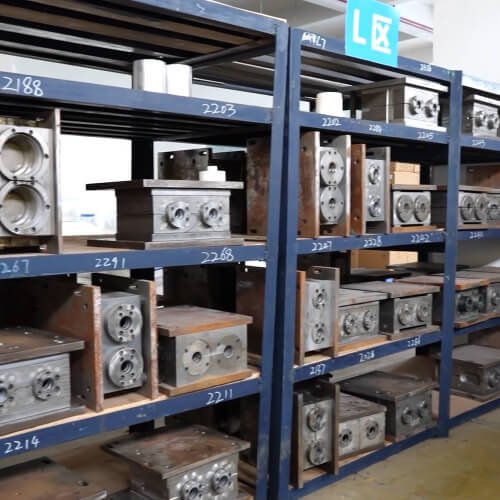
Private mold projects aren’t cheap. A single-cavity HDPE bottle mold can cost several thousand dollars; complex multi-cavity systems can reach six figures.
Wasting even 10 % of that budget on rework or delay is a direct hit to profit margin—and brand reputation.By getting the fundamentals right—clear specs, manufacturable design, stable materials, verified testing, and tight coordination—you don’t just avoid mistakes; you create a competitive advantage.
You launch faster, deliver consistently, and maintain design ownership that truly reflects your brand identity.
Summary
Private mold development can elevate your brand—or drain your budget.
Avoid these five common mistakes and you’ll build packaging that’s precise, efficient, and market-ready.
In mold design, success doesn’t come from luck; it comes from clarity, testing, and teamwork.